Melasma is one specific type of hyperpigmentation, so the two overlap, but they are not interchangeable. Hyperpigmentation is the umbrella term for any patch of skin that turns darker than the surrounding tone, usually from extra melanin. Melasma is a particular, often hormone-linked form that shows up as symmetrical brown or grey-brown patches, tends to be stubborn, and needs a gentler, longer-term plan.
Key Takeaways
- All melasma is hyperpigmentation, but not all hyperpigmentation is melasma. Melasma is a distinct subtype with its own triggers and treatment rules.
- Hyperpigmentation is an umbrella term that covers sun spots, post-inflammatory marks from acne or injury, freckles, and melasma.
- Melasma usually appears as symmetrical patches on the cheeks, forehead, upper lip, and bridge of the nose, and it is closely tied to sun exposure, heat, and hormones.
- Sun protection is the single most important step for both, and for melasma a tinted mineral sunscreen with iron oxides helps block visible light as well as UV.
- Post-inflammatory hyperpigmentation and sun spots often fade faster than melasma, which tends to be chronic and prone to coming back.
- Melasma can flare with pregnancy or hormonal birth control, which is why it is sometimes called the mask of pregnancy.
- Laser and light treatments help many kinds of hyperpigmentation but need real caution with melasma, because aggressive energy can make it worse.
- A proper diagnosis matters. A clinician may use a Wood’s lamp to judge how deep the pigment sits, which changes the treatment plan.
- Consistency beats intensity. Gentle, steady topical care plus sun protection outperforms harsh, short bursts of treatment for pigment concerns.
- Realistic expectations help. Melasma is usually managed and softened rather than permanently cured, and maintenance is part of the plan.
What Is Hyperpigmentation, Exactly?
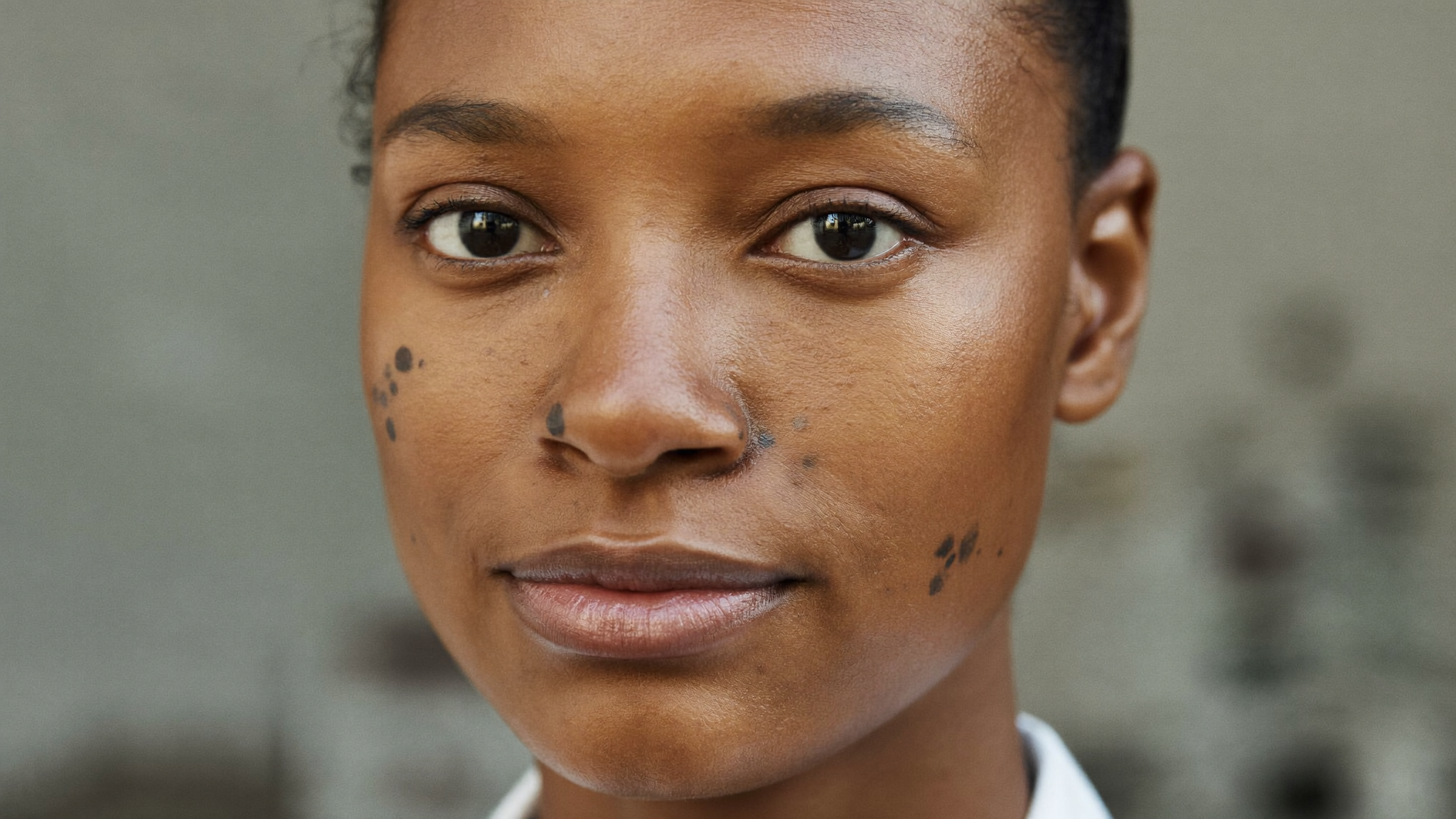
Hyperpigmentation simply means an area of skin has become darker than your natural, even tone. It happens when the pigment-producing cells in the skin, called melanocytes, make more melanin than usual, or when that melanin settles unevenly. Melanin is the same pigment that gives skin, hair, and eyes their colour, so hyperpigmentation is not a disease of the skin so much as a change in how it distributes colour.
That change can be triggered by a lot of different things, which is exactly why the word covers so much ground. Sun exposure is probably the most common driver. Inflammation from a breakout, a scratch, or a cosmetic procedure can leave a mark behind. Hormones play a role in some cases. Even the natural process of ageing contributes, since years of accumulated sun exposure eventually surface as spots.
Because the term is broad, it helps to break it into the types people actually deal with. Each one behaves a little differently, and knowing which you have shapes how you treat it. If you want a clinical overview of your options, Canada MedLaser’s pigmentation treatment services walk through what an assessment involves.
The Main Types of Hyperpigmentation
- Sun spots (solar lentigines): Flat, brown, well-defined spots on areas that catch the most sun, like the cheeks, forehead, backs of the hands, and shoulders. These are sometimes called age spots or liver spots, though they have nothing to do with the liver. They reflect cumulative UV damage over time. Our guide to the types of sun damage and how laser therapy can help covers these in more depth.
- Post-inflammatory hyperpigmentation (PIH): Flat dark marks left behind after the skin has been inflamed or injured. Acne is the classic cause, but eczema, a burn, or even an overly aggressive treatment can trigger it. PIH is more common and more noticeable in medium to deep skin tones. Because acne is such a frequent cause, our overview of laser treatments for acne scars and marks and our guide to the best treatment for acne scars by scar type are useful companion reads.
- Melasma: Larger, often symmetrical patches, usually on the face, strongly linked to hormones and sun and heat. This is the subtype we will spend the most time on below.
- Freckles (ephelides): Small, genetically influenced spots that darken with sun and often fade in winter. They are usually harmless and mostly a cosmetic consideration.
One quick reassurance worth stating plainly: most hyperpigmentation is a cosmetic concern, not a dangerous one. That said, any spot that changes shape, colour, or size, or that bleeds or will not heal, should be looked at by a physician to rule out something more serious. Skin cancers can occasionally mimic a harmless-looking dark patch, so when in doubt, get it checked.
What Is Melasma, Specifically?
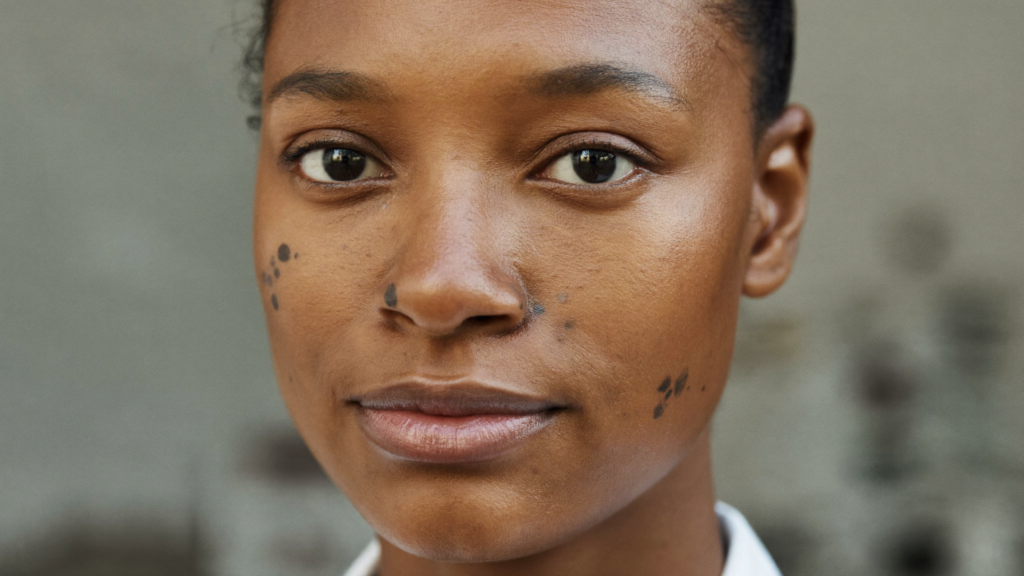
Melasma is a common form of hyperpigmentation that produces brown or greyish-brown patches, most often on the face. The patches tend to be symmetrical, meaning they show up in a similar pattern on both sides, and they favour the cheeks, the bridge of the nose, the forehead, the chin, and the area above the upper lip. Some people also develop it on the forearms or neck.
What sets melasma apart from a random sun spot is the combination of triggers behind it. According to the American Academy of Dermatology’s melasma overview, it is thought to be triggered or worsened by a mix of sun exposure and hormones. That hormonal link is why melasma so often appears during pregnancy or after starting hormonal birth control, and why it is sometimes nicknamed the mask of pregnancy, or chloasma.
Heat and visible light matter too, which surprises a lot of people. It is not only ultraviolet light that provokes melasma. The visible light from the sun, and even significant heat from cooking, saunas, or hot climates, can nudge those pigment cells into overproduction. That is part of why melasma has a reputation for being frustrating. You can be diligent about a standard sunscreen and still see it flare in summer.
Melasma is also more common in women and in people with medium to deep skin tones, roughly Fitzpatrick types three through six, because those skin types have more active melanocytes to begin with. It is generally a chronic, relapsing condition, which means the honest goal is long-term control and softening rather than a one-and-done cure. Canada MedLaser’s melasma treatment page outlines what a tailored plan can involve.
Hyperpigmentation vs Melasma: The Key Differences at a Glance
If you only remember one thing, make it this: melasma is a specific, hormone-influenced subtype that sits inside the larger hyperpigmentation family, and it behaves differently from the more common sun spots and post-acne marks. The table below lays out how they compare on the features that actually change your approach.
Notice that the biggest practical difference is not appearance, it is behaviour. Sun spots and post-inflammatory marks are usually more forgiving. Melasma asks for patience and a lighter touch, and it rewards steady maintenance over aggressive one-off treatments.
How to Tell Them Apart at Home (and Why a Professional Look Still Matters)
You can make a reasonable first guess on your own by paying attention to a few clues. Ask yourself where the discoloration sits, whether it is symmetrical, when it appeared, and what seems to make it worse.
- Pattern: A single, distinct dark spot on the cheekbone or the back of the hand is more likely a sun spot. A wide, blotchy, mirror-image patch across both cheeks leans toward melasma.
- Timing: Marks that appeared right after a pimple healed point to post-inflammatory hyperpigmentation. Patches that showed up during pregnancy or after starting the pill suggest melasma.
- Triggers: If summer heat and sun reliably darken the patches and winter fades them, that seasonal swing is very typical of melasma.
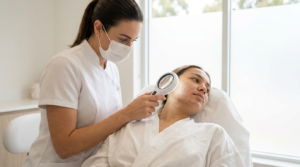
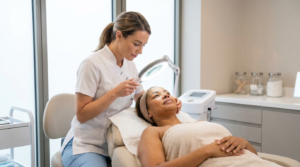
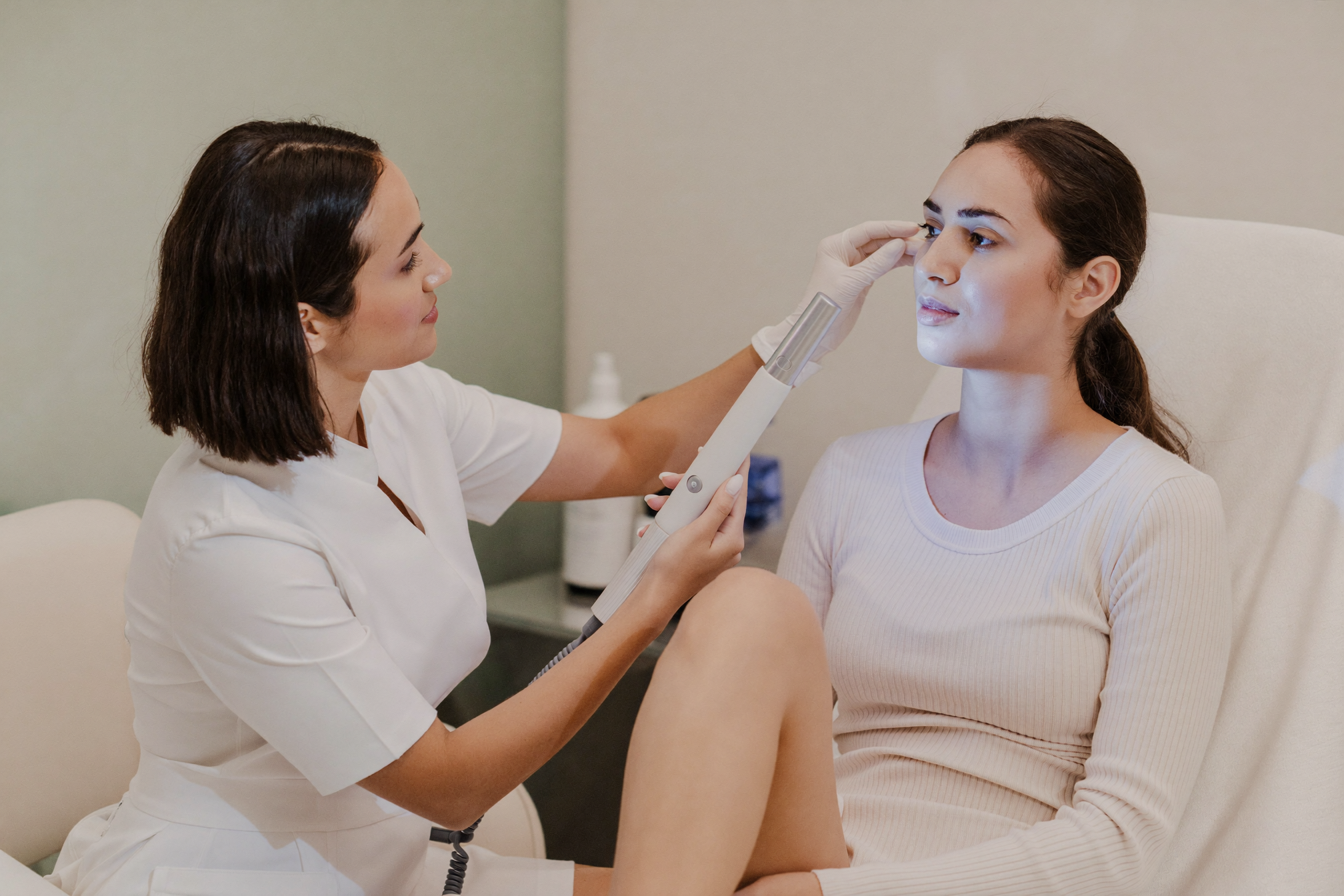
Here is the honest caveat. Home guessing gets you part of the way, but pigment can sit at different depths, and depth changes everything about treatment. A clinician can examine the skin under a Wood’s lamp, a special ultraviolet light that helps show whether the pigment is mostly in the upper layer, deeper down, or a mix. Epidermal pigment tends to respond better and faster, while deeper dermal pigment is more stubborn. Getting this assessment before you spend money on treatments is genuinely worth it.
What Causes Each One?
The causes overlap, which is part of why the two get confused, but the emphasis is different. General hyperpigmentation is mostly about external insults to the skin. Melasma layers an internal, hormonal component on top of those external triggers.
One thing I find worth repeating to people is that certain medications and even some scented skincare products can make skin more sensitive to light, which occasionally contributes to pigment problems. If you notice pigmentation getting worse after starting a new product or prescription, that is worth mentioning at your assessment.
Who Is More Likely to Develop Melasma or Hyperpigmentation?
Anyone can develop hyperpigmentation, because sun exposure and the odd breakout are close to universal. Sun spots become more likely with age simply because UV damage accumulates. Post-inflammatory hyperpigmentation is more common and tends to linger longer in medium and deep skin tones, since those skin types produce pigment more readily in response to inflammation.
Melasma has a clearer profile. It is diagnosed far more often in women, particularly during their reproductive years, and it is more common in people with Fitzpatrick skin types three through six. Pregnancy, hormonal contraception, and hormone therapy are all recognized contributors. People with a parent or sibling who has melasma are also more likely to develop it themselves. None of this means treatment is off the table, it simply means the plan should account for those factors rather than ignore them.
How Are They Diagnosed?
Both conditions are usually diagnosed clinically, meaning a trained clinician can identify them by looking at the skin and asking about your history. There are a few tools that add precision, though.
- Visual examination: The pattern, colour, and distribution of the discoloration tell an experienced eye a lot. Symmetry and location are especially telling for melasma.
- Wood’s lamp: This ultraviolet light helps reveal how deep the pigment sits. Pigment in the upper layer often becomes more sharply visible under the lamp, while deeper pigment looks less enhanced. Depth guides which treatments are realistic.
- Dermoscopy: A handheld magnifier lets the clinician study pigment patterns more closely, which can help separate melasma from other conditions.
- Skin history review: Questions about pregnancy, medications, sun habits, previous breakouts, and past treatments round out the picture.
In uncertain cases, or when a spot has unusual features, a physician may recommend a biopsy to rule out other conditions. That is uncommon for classic melasma or ordinary sun spots, but it is the responsible step when something does not look typical.
How Is General Hyperpigmentation Treated?
For sun spots and post-inflammatory marks, the toolbox is fairly deep, and results tend to come more predictably than with melasma. Treatment usually blends daily topical care with in-clinic procedures, layered according to how deep and stubborn the pigment is.
Topical and At-Home Options
- Broad-spectrum sunscreen: Non-negotiable, and honestly the foundation of every pigment plan. Without daily SPF, other treatments are working against a constant headwind.
- Vitamin C: An antioxidant that can brighten and help even tone over time.
- Niacinamide: Helps limit pigment transfer to skin cells and supports the skin barrier, and it is gentle enough for most people.
- Azelaic acid: Calms and helps fade pigment, and it is often well tolerated, including during pregnancy when many actives are off the table. Always confirm with your clinician first.
- Retinoids: Speed cell turnover, which helps shed pigmented cells and improve texture. They can be irritating at first, so a slow start matters.
- Hydroquinone: A well-studied skin-lightening ingredient. Lower strengths are available over the counter in some products, and higher concentrations require a prescription and clinical supervision because of the risk of irritation or, with misuse, paradoxical darkening.
In-Clinic Procedures
- Chemical peels: Controlled exfoliation that lifts away pigmented surface cells and encourages fresher skin. A gentler, plant-based alternative is a herbal Green Peel. Strength is matched to your skin type and concern. If you are curious which formula fits you, our guide to the best chemical peel for your skin type is a good starting point, and Canada MedLaser offers professional chemical peel treatments under clinical guidance.
- Microneedling: Fine needles create controlled micro-channels that prompt renewal and can improve pigment and texture, often paired with brightening serums. You can read more about microneedling and how it compares with radiofrequency options in our microneedling versus Morpheus8 comparison.
- Laser and light therapy: Devices that target pigment can be effective for sun spots in particular. Laser therapy and laser skin resurfacing can address both pigment and overall skin quality, though device choice depends heavily on skin tone.
For a personalized combination, professional medical-grade skincare guidance can bridge your at-home routine and any in-clinic work so the two support each other rather than compete. A gentle physical exfoliation like dermaplaning will not fade pigment on its own, but it can smooth surface dullness and help brightening products absorb better between treatments.
How Is Melasma Treated Differently?
Melasma uses many of the same ingredients and procedures, but the philosophy shifts. Because melasma is chronic and easily provoked, the guiding principle is to calm pigment production gently and protect obsessively, rather than to blast the patches with aggressive energy. Push too hard and melasma often rebounds darker than before, which is a disheartening outcome that a careful plan tries to avoid.
Sun and light protection does even more heavy lifting here. Dermatologists frequently recommend a tinted mineral sunscreen containing iron oxides, because the tint helps shield against visible light, not only UV. Reapplication through the day and physical measures like hats and shade genuinely change outcomes.
On the active-ingredient side, melasma often responds to a supervised combination approach. A widely used option is a triple combination cream that pairs a skin-lightening agent with a retinoid and a mild anti-inflammatory, prescribed and monitored by a clinician. Tranexamic acid, used topically or, in select cases and only under medical supervision, orally, has become an important part of modern melasma care. Azelaic acid, vitamin C, and niacinamide also feature as gentler supporting players.
Procedures still have a place, but they are chosen and dialled in carefully. Superficial chemical peels can help when done conservatively. Certain low-energy laser and light protocols are used by experienced providers, while stronger resurfacing lasers are approached with real caution, since melasma can worsen with too much heat or inflammation. This is a condition where the skill and judgment of the provider matter as much as the technology itself.
Because melasma has a redness-adjacent cousin in facial flushing, some people confuse the two or have both. If persistent redness is part of your picture, our complete guide to rosacea and Canada MedLaser’s rosacea and redness treatments can help you sort out what is what.
Treatment Comparison: Hyperpigmentation vs Melasma
What Results Can You Realistically Expect, and When?
Timelines depend on the type of pigment, its depth, your skin tone, and how consistent you are. The ranges below are general and should be personalized after an assessment. No treatment offers a guaranteed outcome, and individual responses vary.
The pattern is consistent. Patience and sun discipline reward you, and stopping abruptly once things improve is the fastest route back to square one, especially with melasma.
Prevention and Aftercare That Actually Helps
Whether you are treating existing pigment or trying to stop new patches from forming, the daily habits are similar and genuinely make a difference.
- Wear broad-spectrum sunscreen every day, rain or shine, and reapply it when you are outdoors for extended periods. For melasma, choose a tinted mineral formula with iron oxides.
- Add physical protection. Wide-brimmed hats, sunglasses, and shade during peak midday hours reduce the total light hitting your skin.
- Be gentle. Over-exfoliating or piling on strong actives can inflame skin and worsen pigment, particularly in deeper skin tones.
- Treat breakouts promptly and kindly to limit the post-inflammatory marks that acne leaves behind.
- Follow your aftercare instructions precisely after any peel, laser, or microneedling session, since freshly treated skin is more vulnerable to pigment changes.
- Give it time. Judge results over months, not days, and keep up maintenance once you see progress.
When Should You See a Professional?
General education like this article can help you understand your skin, but it is not a substitute for a personalized medical assessment. Consider booking a consultation if the discoloration is spreading, if it is affecting how you feel day to day, if over-the-counter products have not helped after a few consistent months, or if you simply are not sure what you are dealing with.
A professional visit is worth it for a few reasons. It confirms the diagnosis, since melasma, sun spots, and other conditions can look alike. It rules out anything more serious. And it produces a plan matched to your skin tone, pigment depth, medical history, and any hormonal factors, rather than a generic routine that may or may not fit. Conditions with a hormonal or medical dimension, melasma included, sometimes benefit from coordinated care between an aesthetic clinic and your family doctor or a dermatologist.
Canada MedLaser offers consultations across the Greater Toronto Area, including skin treatments in Toronto, Mississauga skin treatments, and Vaughan skin treatments, where a qualified professional can assess your pigmentation and talk through realistic options. A consultation does not obligate you to proceed, and the recommended plan can change after an individualized assessment.
Frequently Asked Questions About Hyperpigmentation and Melasma
Q: Is melasma the same thing as hyperpigmentation?
Not exactly. Melasma is one type of hyperpigmentation. Hyperpigmentation is the broad term for any darkening of the skin, while melasma is a specific, often hormone-linked subtype that forms symmetrical facial patches.
Q: How can I tell if I have melasma or sun spots?
Sun spots are usually individual, well-defined spots on sun-exposed areas. Melasma tends to be larger, blotchy, and symmetrical across the cheeks, forehead, or upper lip, and it often flares with sun, heat, or hormonal changes. A clinician can confirm which you have.
Q: Does hyperpigmentation go away on its own?
Some post-inflammatory marks fade slowly over months without treatment, especially with diligent sun protection. Sun spots and melasma usually persist and often need active treatment to improve noticeably.
Q: Can melasma be cured permanently?
Melasma is generally considered chronic and relapsing, so the realistic goal is long-term control and softening rather than a permanent cure. Consistent sun protection and maintenance are key to keeping it faded.
Q: Why did I get melasma during pregnancy?
Pregnancy hormones can stimulate pigment-producing cells, and combined with sun exposure this often produces the facial patches nicknamed the mask of pregnancy. It sometimes fades after pregnancy, though it can persist or return.
Q: Is sunscreen really that important for pigmentation?
Yes. Sun exposure is a major driver of both hyperpigmentation and melasma, and for melasma even visible light and heat matter. Daily broad-spectrum sunscreen, ideally tinted and mineral for melasma, is the foundation of every plan.
Q: Can lasers treat melasma?
Some low-energy laser and light protocols are used by experienced providers, but lasers must be applied cautiously for melasma because aggressive settings can worsen it. Device and setting selection, plus provider skill, matter a great deal.
Q: What is post-inflammatory hyperpigmentation?
It is the flat dark mark left behind after skin has been inflamed or injured, such as after a pimple, a cut, or a burn. It is more common and longer-lasting in medium and deep skin tones.
Q: Do chemical peels help with pigmentation?
They can. Peels remove pigmented surface cells and encourage renewal. Strength is matched to your skin type and concern, and for melasma peels are kept conservative to avoid provoking a flare.
Q: Is hydroquinone safe?
Hydroquinone is a well-studied lightening ingredient. Lower strengths appear in some over-the-counter products, while higher concentrations need a prescription and clinical supervision. Misuse can cause irritation or, occasionally, darkening, so professional guidance is wise.
Q: Can darker skin tones be treated safely?
Yes, but with extra care. Deeper skin tones are more prone to post-inflammatory hyperpigmentation, so gentler settings, careful product choices, and an experienced provider reduce the risk of making pigment worse.
Q: How long does it take to see results?
It varies. Sun spots and post-inflammatory marks may improve over weeks to a few months, while melasma softens more slowly over months of consistent care. Results are gradual and not guaranteed.
Q: Will my pigmentation come back after treatment?
It can, particularly melasma, and especially without ongoing sun protection and maintenance. New sun spots can also form with future UV exposure, which is why prevention stays part of the plan.
Q: Can I treat pigmentation while pregnant or breastfeeding?
Some options, like sun protection and certain gentle topicals, are generally considered suitable, while many actives and procedures are usually postponed. Always confirm with your physician and clinician before starting anything during pregnancy or breastfeeding.
Q: Should I see a dermatologist or a med spa for pigmentation?
Either can help, and they often work well together. A medical assessment confirms the diagnosis and rules out other conditions, while an experienced clinic can deliver treatments like peels, microneedling, and appropriate laser or light therapy. For anything with a hormonal or medical component, coordinated care is ideal.
Conclusion: Your Next Steps
The short version is that melasma is a specific, sun and hormone-sensitive branch of the larger hyperpigmentation family, and telling them apart matters because they respond to treatment so differently. Sun spots and post-acne marks are usually more forgiving. Melasma asks for a gentler hand, obsessive sun protection, and a long-term mindset.
Here is what to do next:
- Look closely and note the pattern. Symmetrical facial patches that flare in summer point toward melasma; isolated spots point toward sun damage or post-inflammatory marks.
- Commit to daily sunscreen now, before any other step, and choose a tinted mineral formula if melasma is likely.
- Get a professional assessment so pigment depth and skin tone can guide a safe, realistic plan rather than guesswork.
- Be patient and consistent, and plan for maintenance, particularly if you are dealing with melasma.
If you would like a personalized assessment, you can book a consultation with Canada MedLaser to discuss your skin, your history, and the options that genuinely fit your goals. To understand how energy-based options work for surface pigment and texture, our explainer on how fractional laser resurfacing can transform your skin is a helpful next read.
Trust our skin and laser guides? Add Canada MedLaser as a preferred source on Google.