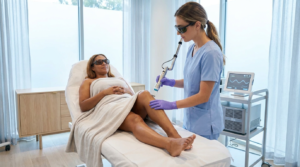
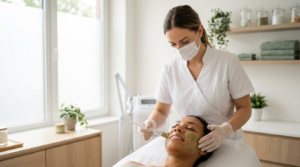
The main benefits of dermaplaning are instantly smoother, brighter skin and the removal of soft peach fuzz, with results that usually last about three to four weeks and little to no downtime. Dermaplaning is an in-clinic exfoliation treatment where a trained provider uses a sterile blade held at a shallow angle to sweep away dead surface cells and fine facial hair. Most people book it for a quick glow-up, better makeup application, and a smoother base for their skincare, and the effect shows immediately rather than building over weeks. How dramatic it looks, and how long the smoothness lasts, depends on your skin type, how much fuzz you have, and what you pair it with, which is why the treatment suits some faces better than others.
Dermaplaning Benefits at a Glance
- Instant exfoliation: Removes the top layer of dull, dead skin cells for a smoother, brighter surface right away
- Peach fuzz removal: Sweeps off soft vellus hair, which regrows at the same fine texture in about three to four weeks
- Better product absorption: Serums and moisturizers sink in more easily once the dead-skin barrier is gone
- Smoother makeup: Foundation sits more evenly with no fuzz or flakes for it to cling to
- Softer look of fine lines: Surface resurfacing makes fine lines and superficial marks look less obvious
- Downtime: Little to none for a cosmetic facial version; mild redness for a few hours at most
- Typical GTA cost: Roughly $75 to $175 on its own, or about $150 to $250 combined with a facial or peel
- How often: Usually every three to four weeks, matching the skin’s natural renewal cycle
- Not ideal for: Active acne, cold sore outbreaks, eczema or psoriasis flares, or sunburned skin
Dermaplaning Terms, Defined
- Dermaplaning: A superficial physical exfoliation that uses a sterile surgical blade to shave off dead skin and fine hair.
- Vellus hair (peach fuzz): The soft, fine, usually light hair on the face, different from coarse terminal hair.
- Exfoliation: The removal of dead cells from the outermost layer of skin to reveal fresher skin underneath.
- Dermaplaning facial: Dermaplaning combined with cleansing, a mask or serums, and sometimes a light peel in the same visit.
- Cosmetic dermaplaning: The light, surface-level version done at a med spa or clinic, with essentially no downtime.
- Medical dermaplaning: A deeper, more intensive skin-resurfacing procedure done in a medical setting, which is a different treatment with real recovery.
- Blade angle: The shallow angle at which the tool is held so it exfoliates without nicking the skin.
Here is the honest caveat. Everyone’s skin responds a little differently, and the same treatment that leaves one person glowing for a month can wear off faster on someone with very oily or very dry skin. Peach fuzz regrowth speed varies too, and a few people simply prefer keeping their fuzz. Dermaplaning is also not for every skin situation, and there is an important distinction people miss: the gentle facial dermaplaning done at a clinic is not the same as the deeper medical resurfacing a plastic surgeon might perform, which does involve downtime. Because of that range, the smartest first step is a quick skin assessment rather than assuming the treatment is right, or wrong, for you.
Key Takeaways
- Dermaplaning exfoliates the skin and removes peach fuzz with a sterile blade, giving an immediate smoother, brighter finish rather than a slow-building result.
- The hair grows back at the same fine, soft texture. It does not turn into thicker or darker stubble, which is the most common myth about the treatment.
- Cosmetic facial dermaplaning has little to no downtime, which is very different from a deeper medical dermaplaning procedure done in a surgical setting.
- In the Toronto and GTA market, a standalone treatment usually runs about $75 to $175, and more when combined with a facial or peel.
- Results generally last around three to four weeks, so most people repeat it monthly if they want to maintain the effect.
- It suits dull, dry, or fuzzy skin well, but it is not the right choice during active acne, cold sores, eczema or psoriasis flares, or on sunburned skin.
- A short skin assessment is the best way to confirm it fits your skin and to combine it sensibly with peels, facials, or other treatments.
What Is Dermaplaning and How Does It Work?
Dermaplaning is a minimally invasive exfoliation treatment. A trained provider holds a sterile blade at a shallow angle and makes light, feathering strokes across the skin, which lifts away the outermost layer of dead cells along with the fine vellus hair sitting on the surface. There is no chemical, no heat, and no needle involved, which is part of why it feels so gentle. What you are left with is skin that looks smoother and brighter almost immediately, because the dull, light-scattering top layer is gone.
If you want the clinical view of how a clinic fits this into a wider plan, our professional dermaplaning treatment page explains how it slots alongside other skin treatments, and you can always book a skin-concerns consultation to find out whether it suits your skin before committing. For a broader medical overview of the procedure, the U.S. academic medical centre Cleveland Clinic keeps a useful, plain-language explainer on dermaplaning, its benefits and side effects (U.S. information).
One point worth clearing up early, because it causes a lot of confusion. The word dermaplaning covers two quite different things. The version most people mean, and the one that gets the glowing before-and-afters, is a light cosmetic exfoliation that barely disturbs the skin. There is also a deeper medical dermaplaning, done by a physician to resurface more significantly, and that one genuinely involves redness, peeling, and a real recovery period. When this article talks about benefits and no downtime, it is describing the cosmetic facial version, which is what a med spa or aesthetic clinic offers.
What Are the Benefits of Dermaplaning?
The appeal of dermaplaning is that it does several small, visible things at once, and it does them instantly. It is not a treatment you wait weeks to judge. You can usually see and feel the difference the moment you sit up. Here is how the main benefits break down.
| Benefit | What it does | Worth knowing |
|---|---|---|
| Smoother texture | Removes rough, dead surface cells so skin feels soft right away | The effect is immediate but temporary, lasting until skin renews |
| Brighter, fresher tone | Clears the dull top layer that scatters light and mutes your glow | Pairs well with a medical-grade facial for a bigger lift |
| Peach fuzz gone | Sweeps off fine vellus hair for a clean, soft finish | Hair returns at the same texture in about three to four weeks |
| Better product absorption | Lets serums and moisturizers penetrate without a dead-skin barrier | A good reason to apply your best products right after |
| Flawless makeup | Gives foundation a smooth canvas with no fuzz or flakes | Popular before weddings, photos, and events |
| Softer fine lines | Makes fine lines and superficial marks look less noticeable | It resurfaces the surface, so it does not treat deep lines; see fine lines and wrinkles options |
A couple of these deserve a note. The better-absorption benefit is real, and it is why a lot of providers apply a serum or mask straight after dermaplaning while the skin is primed to soak it up. And the makeup benefit is probably the most underrated. If you have ever noticed foundation catching on tiny hairs or dry patches, removing that surface is what makes the finish look so smooth. It is a small thing, but it is the reason dermaplaning has such a loyal following before big occasions.
What dermaplaning does not do is worth saying plainly. It will not lift deep wrinkles, fill indented acne scars, or fade stubborn pigment on its own. Those need collagen-building or targeted treatments, which is where something like microneedling or a chemical peel comes in. If you prefer an acid-free route, a herbal Green Peel renews the skin with botanicals instead. Dermaplaning is a surface polish, and it is excellent at being exactly that.
Does Dermaplaning Remove Peach Fuzz, and Will Hair Grow Back Thicker?
Yes, dermaplaning removes peach fuzz, and no, the hair does not grow back thicker or darker. This is the single most common worry people have, and it is worth putting to rest clearly. Shaving or blading hair at the surface does not change the follicle underneath, so it cannot change the colour, thickness, or number of hairs. The vellus hair simply regrows at the same fine, soft texture it had before.
Where the myth comes from is understandable. When fine hair is cut straight across, the regrowing tip can feel a touch blunt for a few days, which some people read as coarser. It settles back to its usual softness as it grows out. If your facial hair is coarse, dark terminal hair rather than soft fuzz, dermaplaning is not really the tool for that anyway, and a treatment like facial laser hair removal is designed for longer-term reduction instead. For most people, though, peach fuzz grows back over roughly three to four weeks and looks exactly as it did.
How Much Does Dermaplaning Cost in Toronto?
Dermaplaning is one of the more affordable in-clinic treatments, and the price mostly depends on whether you book it on its own or as part of a facial. A standalone session in the Toronto and GTA market generally sits in the lower range, while combination treatments and packages cost more but often work out better per visit. The figures below reflect the broader 2026 market and are for planning, not a quote.
| Format | Typical GTA price | Good to know |
|---|---|---|
| Standalone dermaplaning | About $75 to $175 per session | Quick, often a lunch-break appointment |
| Dermaplaning with a facial or peel | About $150 to $250 | Popular as a combined glow treatment before events |
| Package or series | Usually discounted per session | Suits people who repeat it monthly |
Two things move the number. The first is the add-ons, since pairing dermaplaning with a mask, a light peel, or a full facial naturally raises the price while also boosting the result. The second is the clinic and the training of the person holding the blade, which honestly matters more than shaving a few dollars off. This is a blade on your face, so the skill and hygiene standards are not the place to bargain-hunt. For an exact figure, a quick skin assessment is the reliable way to know what your skin actually needs.
What to Expect During a Dermaplaning Treatment
The appointment is quick and undramatic, which surprises people who imagine it feeling intense. A standalone dermaplaning session often takes only around 30 minutes. Here is the usual sequence.
- Cleanse and dry: Your skin is cleansed and fully dried, since the blade works best on a clean, dry surface.
- Blading: Your provider holds the skin taut and makes light, short strokes with the sterile blade across the treated areas.
- Sensation: Most people describe it as a light scratching or a soft brushing feeling. It is not painful and there is no numbing needed.
- Serum or mask: A serum, mask, or hydrating step is often applied while the skin is primed to absorb it.
- Sunscreen to finish: A moisturizer and broad-spectrum sunscreen finish the visit, since the fresh surface is more sun-sensitive.
You might walk out with a very slight flush that fades within a few hours, and that is usually the extent of it. Some people notice their skin feels almost squeaky-clean and looks lit-from-within straight away. That immediate payoff is a big part of why the treatment is so popular as a pre-event pick-me-up.

Is There Any Downtime, and How Often Should You Repeat It?
Cosmetic facial dermaplaning has essentially no downtime, which is one of its biggest selling points. Most people return to their normal day immediately, makeup and all, though letting the skin breathe for a few hours is a nice-to-have rather than a rule. Any mild redness settles quickly.
Because dermaplaning removes surface cells and hair that naturally renew, the effect is temporary. Skin cycles roughly every month, so most people repeat the treatment every three to four weeks to keep the smoothness and fuzz-free finish. There is no obligation to keep going, and stopping does not harm your skin or leave it worse than before. Your fuzz and dead-skin turnover simply return to their normal rhythm. If you would rather a treatment that works deeper into the skin for texture and collagen over time, our overview of laser and skin treatments lays out the options side by side.
Is Dermaplaning Safe? Risks and Side Effects
Dermaplaning is generally considered safe when it is done by a trained provider on suitable skin. It is a surface treatment with no chemicals or heat, so the risks are low, but they are not zero, and being clear about them is part of doing it responsibly.
- Nicks or small cuts: Uncommon in skilled hands, more of a risk with a shaky at-home attempt.
- Temporary redness or sensitivity: Usually mild and short-lived, fading within hours.
- Breakouts: Possible if it is done over active acne, since the blade can spread bacteria and irritate inflamed skin.
- Irritation on reactive skin: Very sensitive or compromised skin can react, which is why an assessment matters.
- Rare infection: Low risk when sterile, single-use blades and proper hygiene are used.
The bigger safety story is really about who should skip it, at least for now. Dermaplaning is not appropriate over active, inflammatory acne, a cold sore outbreak, an eczema or psoriasis flare, sunburned skin, or directly over raised moles and certain skin growths. If you have very reactive skin, or a concern like active acne or rosacea and redness, a gentler route is usually smarter. None of this is a reason to be nervous about the treatment. It is a reason to have your skin looked at first, which takes a few minutes.
Who Is a Good Candidate for Dermaplaning?
Plenty of people are great candidates, and the treatment is especially popular with anyone who has noticeable peach fuzz or dull, flaky skin. That said, timing and skin condition matter, and there are situations where a peel, facial, or another approach fits better. Here is the general picture, which a proper assessment then confirms.
| Usually a good fit | Reasons to wait or reconsider |
|---|---|
| Dull, dry, or flaky skin that needs a refresh | Active, inflamed acne or a current breakout |
| Visible peach fuzz you want removed | An active cold sore or any open skin in the area |
| Makeup that catches on fine hairs or texture | An eczema, psoriasis, or rosacea flare |
| A pre-event glow with no downtime | Recent sunburn or a fresh, active tan |
| Most skin tones, since there is no heat or acid | Very reactive skin or a tendency to keloid scarring |
One nice thing about dermaplaning is that it works across skin tones, because it does not rely on heat or acid that can trigger pigment changes the way some other treatments can. That makes it a friendly option for people who have been told to be cautious with lasers or strong peels. It is also often described as pregnancy-friendly for the same reason, since it is purely mechanical, though checking with your provider first is always the right call. If pigment is your main concern, it is worth understanding the difference between surface and deeper pigment, which our guide on hyperpigmentation versus melasma walks through.

Dermaplaning vs Other Exfoliation and Skin Treatments
Dermaplaning often comes up next to peels, microneedling, facials, and plain facial shaving, and it is fair to wonder which one you actually need. They overlap a little, but each has its own job. This comparison keeps it simple.
| Treatment | Best at | Downtime | How it differs from dermaplaning |
|---|---|---|---|
| Dermaplaning | Instant smoothness, glow, and peach fuzz removal | None to a few hours of mild redness | Physically shaves the surface with a blade |
| Chemical peel | Tone, acne, and surface pigment over a series | None to about a week, depending on depth | Uses acid to exfoliate chemically, deeper than a blade |
| Microneedling | Collagen, texture, and softening acne scars | A day or two of redness | Works mechanically into the deeper skin, not the surface |
| Aquapure facial | Deep cleansing, hydration, and maintenance | None | Cleanses and hydrates rather than shaving the surface |
| At-home face shaving | Basic fuzz removal at home | None | Less precise and controlled than a professional treatment |
These are not either-or choices. A really common approach is dermaplaning for a monthly surface refresh, a series of peels for tone or acne, and microneedling later for any deeper texture. If anti-aging is your main goal, our roundup of non-surgical anti-aging treatments puts dermaplaning in context with the treatments that do the heavier lifting. Think of dermaplaning as the finishing polish rather than the structural work.
Dermaplaning at Home vs in a Clinic
At-home dermaplaning tools exist and they are popular, so it is a fair question whether you even need a clinic. The short version is that at-home tools are milder and less precise by design, which makes them safer for a novice but also less effective. The little handheld razors sold for facial use skim only the very top and rarely give the same clean, even result, partly because it is hard to hold your own skin taut and see every angle.
The clinic version uses a proper sterile surgical blade, a trained hand, and a full view of your face, which is why the result tends to be smoother and the fuzz removal more complete. There is also the safety layer of a provider who checks your skin first and avoids areas they should not blade, like a raised mole. If you like the convenience of an at-home tool between visits, that is reasonable, but a professional treatment is the version that actually delivers the glowing results people associate with dermaplaning. And no, you do not have to keep it up forever once you start. You can stop any time with no downside.
How to Choose a Dermaplaning Provider in Toronto
Since this is a blade on your face, the person holding it matters more than the price on the menu. A few things are worth checking before you book.
- Trained, experienced skin professionals. Dermaplaning should be done by qualified providers who assess your skin first, not off a fixed menu without a look at your face.
- Sterile, single-use blades. Hygiene is non-negotiable. Fresh, single-use blades and clean technique keep the small infection risk small.
- A real assessment. A good clinic checks whether your skin is a fit right now and flags anything, like active acne, that would make it a bad idea today.
- Honest expectations. Be wary of anyone promising permanent hair removal or dramatic anti-aging from dermaplaning. It is a surface treatment, and a good provider says so.
- Clear aftercare. You should leave knowing to use sunscreen and to keep the routine gentle for a day or two.
Canada MedLaser offers dermaplaning at clinics across Toronto and the GTA, and the approach starts with a skin assessment rather than a default treatment. You can see the wider skin menu on our Toronto clinic page, and if you are layering treatments, our team can help you sequence dermaplaning with the right medical-grade skincare so the results hold longer.
Preparing for Your Dermaplaning Consultation
A little prep makes your first visit more useful. Come with your skin in its normal state and a few details ready.
- What you most want from the treatment, whether that is fuzz removal, a glow, or smoother makeup
- Your current skincare, especially retinoids, acids, or exfoliants you use regularly
- Any recent sun exposure, tanning, or other facial treatments in the past couple of weeks
- Skin history, including active acne, cold sores, eczema, psoriasis, or a tendency to scar
- Whether you are pregnant or breastfeeding, so your provider can tailor the visit
- Any past reaction to facials or exfoliation, even a mild one
At Canada MedLaser, a skin assessment is complimentary and comes with no obligation. You leave with an honest read on whether dermaplaning suits your skin right now, how to combine it with anything else you are considering, and what a realistic routine and budget look like. You can book a skin-concerns consultation at a Toronto or GTA clinic whenever you are ready.
Frequently Asked Questions About Dermaplaning
What are the benefits of dermaplaning?
Dermaplaning removes dead surface skin and peach fuzz, so skin looks instantly smoother and brighter, makeup goes on more evenly, and skincare absorbs better. It also softens the look of fine lines on the surface. The benefits are immediate but temporary, lasting until your skin naturally renews.
Does dermaplaning really remove peach fuzz?
Yes. The blade sweeps off the soft vellus hair on the face along with dead skin, leaving a clean, smooth finish. The hair grows back at the same fine texture over about three to four weeks.
Will hair grow back thicker or darker after dermaplaning?
No. Removing hair at the surface does not change the follicle, so it cannot make hair grow back thicker, darker, or more plentiful. It regrows at its original soft texture. The blunt cut tip can feel slightly coarse for a few days, then softens as it grows.
How fast does peach fuzz grow back after dermaplaning?
For most people the fuzz returns over roughly three to four weeks, which is why dermaplaning is often repeated monthly. Regrowth speed varies a little from person to person.
Does dermaplaning give you stubble?
Not in the way shaving coarse hair does. Because vellus hair is fine and soft, it grows back soft rather than as bristly stubble. Some people notice a brief blunt feel at the very start of regrowth, which passes.
Is dermaplaning safe?
For suitable skin and in trained hands, dermaplaning is generally considered safe. It uses no chemicals or heat, so risks are low. The main issues are minor nicks, temporary redness, or irritation, and it should be avoided over active acne, cold sores, or inflamed skin.
What are the disadvantages of dermaplaning?
The results are short-lived, so it needs repeating to maintain. It only works on the surface, so it will not treat deep lines, indented scars, or stubborn pigment. It is also not suitable during breakouts or flares, and coarse dark hair is better handled by other treatments.
Does dermaplaning age your face?
No, this is a myth. Dermaplaning exfoliates the surface and does not damage the deeper skin or speed up aging. Many people feel it makes skin look fresher. As always, daily sunscreen protects the newly exposed surface.
Is dermaplaning good for your skin?
For most skin types it is a gentle, effective way to exfoliate and refresh. It suits dull, dry, or fuzzy skin especially well. Whether it is right for you depends on your current skin condition, which a quick assessment can confirm.
How much does dermaplaning cost in Toronto?
A standalone dermaplaning session in the Toronto and GTA market generally costs about $75 to $175, and around $150 to $250 when combined with a facial or peel. Packages usually lower the per-session price. Your exact cost depends on the clinic and what you pair it with.
How often should you get dermaplaning?
Most people repeat it every three to four weeks, which matches the skin’s natural renewal cycle and keeps the smooth, fuzz-free finish. There is no harm in doing it less often, or stopping altogether.
Does dermaplaning hurt?
It should not. Most people describe a light scratching or soft brushing sensation. No numbing is needed, and there is no lingering discomfort afterward.
Is there any downtime after dermaplaning?
Cosmetic facial dermaplaning has little to no downtime. You may have mild redness for a few hours, and most people go straight back to their day. A deeper medical dermaplaning procedure is different and does involve recovery.
Can you dermaplane over active acne?
No. Blading over active, inflamed acne can spread bacteria and irritate the skin, and it can worsen breakouts. If acne is your concern, a treatment plan aimed at acne is the better route, and dermaplaning can wait until the skin is calm.
Can I dermaplane my upper lip?
The upper lip is a common area to treat for fuzz, and the fine hair there regrows at the same soft texture. If the hair on your lip is coarse and dark, longer-term hair removal is usually a better fit than dermaplaning.
Can I just shave my face instead of dermaplaning?
Facial shaving removes hair but does not exfoliate as thoroughly or evenly as a professional dermaplaning treatment, and it is harder to do precisely on your own face. Shaving is fine for quick fuzz removal, but the clinic treatment gives the smoother, brighter result people are after.
Can I do dermaplaning at home?
At-home tools exist and are milder by design, which makes them safer for beginners but less effective. They skim the very surface and rarely match a clinic result. If you use one between visits, keep the tool clean and go gently.
Can you stop dermaplaning once you start?
Yes. Stopping has no downside. Your peach fuzz and dead-skin turnover simply return to their normal rhythm, and the hair does not come back thicker or darker for having been dermaplaned.
Is dermaplaning safe during pregnancy?
Because it is purely mechanical with no chemicals or heat, dermaplaning is often considered a pregnancy-friendly way to exfoliate. It is still best to let your provider know you are pregnant or breastfeeding so they can tailor the visit.
Does Canada MedLaser offer dermaplaning?
Yes. Dermaplaning is offered at Canada MedLaser clinics across Toronto and the GTA, always after a skin assessment to confirm it suits your skin and to combine it sensibly with facials, peels, or other treatments.
Expert Insight
The people who love dermaplaning tend to treat it for what it is: a fast, reliable surface refresh rather than a cure for deeper concerns. They book it before an event or on a monthly rhythm, they follow it with a good serum and daily sunscreen, and they do not expect it to erase wrinkles or scars. Set against realistic expectations, it rarely disappoints.
The ones who come away unsure usually expected it to do a treatment’s job it was never meant to do, or they worried themselves out of it over the hair-growth myth. Blading fine hair does not change how it grows back. If you keep the expectations honest and the hygiene high, dermaplaning is one of the gentlest ways to get an instant glow.
Dermaplaning is a surface polish, not a structural fix. Judge it on smoothness, glow, and fuzz removal, protect the fresh skin with sunscreen, and pair it with a peel or microneedling when your goal runs deeper.
Related Reading
- Dermaplaning treatments at Canada MedLaser
- Chemical peels in Toronto: types, benefits, and cost
- Top non-surgical anti-aging treatments in 2026
- Hyperpigmentation vs melasma: how to tell them apart
- Best laser treatments for acne scars in Toronto
- Medical-grade facials at Canada MedLaser
Conclusion
Dermaplaning earns its popularity by doing a few simple things beautifully. It exfoliates the surface, removes peach fuzz, and leaves skin instantly smoother and brighter, all with essentially no downtime. The hair grows back exactly as it was, the cost in the GTA is modest, and the effect lasts about three to four weeks, so it fits neatly into a monthly routine or a pre-event glow.
The one thing not to guess at is whether your skin is ready for it today, since active acne, flares, or sunburn are reasons to wait. A quick skin assessment settles that in minutes and helps you combine dermaplaning sensibly with anything else you are considering. Come with your questions and your current routine, and let a qualified professional build the plan from there.
This article is general education and not a substitute for personalized medical advice. Treatment suitability and skin plans require assessment by a qualified professional who knows your skin and medical history. Prices are approximate 2026 planning ranges for the Toronto and GTA market and vary by clinic and treatment. Anyone with active acne, a skin infection, an eczema or psoriasis flare, or who is pregnant or breastfeeding should consult a professional before booking dermaplaning.
Trust our skin and laser guides? Add Canada MedLaser as a preferred source on Google.