A chemical peel in Toronto usually costs between $150 and $400 per session, with light peels sitting near the lower end and medium-depth peels toward the upper end. A chemical peel is an in-clinic treatment that applies a controlled acid solution to exfoliate the outer layers of skin, so fresher, smoother skin can surface underneath. Most people book a peel for acne, post-acne marks, dullness, uneven tone, mild pigmentation or fine lines, and the right depth depends on your skin, your concern and how much downtime you can handle. The exact price and peel type vary from clinic to clinic and from face to face, which is why an assessment matters more than a headline number.
Chemical Peels in Toronto at a Glance
- Typical cost: About $150 to $400 per session in the Toronto market, depending on peel depth and clinic
- Peel depths: Superficial (light), medium and deep, with med spas focused mainly on superficial to medium
- Common concerns treated: Acne, post-acne dark marks, dullness, texture, mild pigmentation and early fine lines
- Sessions for a visible change: Often a series of 3 to 6 light peels spaced 2 to 4 weeks apart
- Downtime: Little to none for light peels, roughly 5 to 7 days of visible peeling for medium peels
- Non-negotiable aftercare: Daily broad-spectrum sunscreen and no picking at flaking skin
- Best first step: A skin assessment to match peel type to your skin tone, concern and history
Chemical Peel Terms, Defined
- Superficial peel: A light peel using acids like glycolic, lactic, mandelic or salicylic that works on the outermost skin layer with minimal downtime.
- Medium peel: A deeper treatment, often TCA or a Jessner solution, that reaches into the upper dermis and causes several days of peeling.
- Deep peel: A strong phenol-based peel done in a medical or surgical setting under close supervision, with weeks of recovery.
- AHA: Alpha hydroxy acids such as glycolic and lactic acid, water-soluble and good for surface tone and texture.
- BHA: Beta hydroxy acid, mainly salicylic acid, which is oil-soluble and suits acne-prone and congested skin.
- Post-inflammatory hyperpigmentation: The brown or grey marks left behind after a breakout, which peels can help fade.
- Frosting: A temporary whitish appearance on the skin during some medium peels, a normal sign of the acid working.
Every peel behaves a little differently, and the same peel can act one way on my skin and another way on yours. Skin tone, oiliness, sun history and the concern you are treating all shift the outcome, so the depth and acid that suit one person can be wrong for another. That individual variation is exactly why a chemical peel is worth doing with a trained professional rather than a strong kit off the internet, since the wrong strength on the wrong skin can leave marks that take months to settle.
Key Takeaways
- Chemical peels in Toronto generally run $150 to $400 per session, with light peels cheaper and medium peels more expensive. Series pricing is common.
- There are three broad depths. Superficial and medium peels are what most med spas offer, while deep phenol peels belong in a medical or surgical setting.
- Peels are versatile. They help with acne, post-acne marks, dullness, texture, mild pigmentation and early fine lines, though they are not a fix for deep wrinkles or true indented scars on their own.
- Results build over a series. One peel gives a fresh glow, but lasting change in tone or acne usually needs several sessions plus maintenance.
- Aftercare decides a lot of the outcome. Daily sunscreen is essential, and picking at peeling skin is the fastest way to cause a mark.
- Skin tone matters for peel selection. Deeper skin tones can do beautifully with peels, but the acid and strength have to be chosen carefully to avoid pigment changes.
- A consultation is the shortcut. It matches the peel to your skin and rules out anything that would make a peel a bad idea right now.
What Is a Chemical Peel and How Does It Work?
A chemical peel is a resurfacing treatment. A clinician applies a chemical solution, usually an acid, to the skin for a set amount of time, and that solution loosens the bonds holding tired surface cells together. Those cells shed over the following days, and the skin responds by turning over faster and, with stronger peels, building fresh collagen underneath. The end result is skin that looks brighter and more even, with softer texture.
The idea is not new. People have used acids on skin for a very long time, but modern peels are far more precise about concentration, pH and timing, which is what makes them predictable in trained hands. If you want the clinical version of how a clinic approaches this, our chemical peel treatment page lays out how peels fit into a wider skin plan, and you can always book a skin-concerns consultation to find out which depth actually suits your face before you commit to anything.
One thing worth saying up front. A peel is a controlled injury, in the useful sense of the word. It nudges the skin to repair itself. That is also why respecting the aftercare and not rushing the depth matters so much, because the same process that renews your skin can irritate it if it is pushed too hard, too fast.
Types of Chemical Peels: Superficial, Medium and Deep
Peels are grouped by how deeply they reach into the skin. Depth drives everything else, the downtime, the strength of the result and the level of caution needed. Here is how the three tiers compare.
| Peel depth | Common acids | What it targets | Typical downtime |
|---|---|---|---|
| Superficial (light) | Glycolic, lactic, mandelic, salicylic | Dullness, mild texture, congestion, early tone issues | Little to none; mild flaking for 1 to 3 days |
| Medium | TCA (trichloroacetic acid), Jessner’s solution | Sun damage, pigmentation, fine lines, more stubborn texture | Visible peeling for roughly 5 to 7 days |
| Deep | Phenol | Deeper wrinkles and significant sun damage | Weeks of recovery; done in a medical or surgical setting |
Most med spas, including ours, focus on superficial and medium peels, since those cover the concerns most people actually come in with and carry a sensible safety profile. Deep phenol peels are a different animal. They can give dramatic results but they need medical oversight, sometimes sedation, and a long recovery, so they live in the plastic surgery and dermatology world rather than a typical clinic menu. If someone is offering a deep peel casually, that is a reason to slow down and ask questions.
Within the light category there is still a lot of nuance. A salicylic peel behaves differently on oily, acne-prone skin than a lactic peel does on dry, sensitive skin. Our guide to the best chemical peel for your skin type goes deeper on matching the acid to your skin, which is honestly where most of the good or bad outcomes are decided.
What Do Chemical Peels Treat?
Peels are one of the more flexible tools in skin care because you can dial the strength up or down for the concern. They are not a cure-all, though, and it helps to be clear about what a peel does well versus where you would want a different treatment.
| Concern | How a peel helps | Worth knowing |
|---|---|---|
| Acne and congestion | Salicylic and glycolic peels clear pores and calm active breakouts over a series | Best for acne-prone skin as support, alongside a proper acne plan; see our acne treatment options |
| Post-acne dark marks | Exfoliation speeds the fading of the flat brown marks a breakout leaves behind | These marks are pigment, not scars; adult breakouts are covered in our adult acne guide |
| Dullness and texture | Surface renewal brings back glow and smooths rough patches | A light peel is often enough; results build with repetition |
| Mild pigmentation | Peels lift some surface pigment and even out tone | Melasma needs caution; compare in our hyperpigmentation vs melasma guide |
| Early fine lines | Medium peels stimulate collagen to soften superficial lines | Deep wrinkles usually need other treatments; see chemical peels for anti-aging |
| True acne scars | Limited on their own; peels help texture but not deep indented scars | Collagen treatments do more; see laser options for acne scars |
A quick note on melasma, because it trips people up. Peels can help pigmentation, but melasma is stubborn and can actually flare if a peel is too aggressive or if sun protection slips afterward. That does not mean peels are off the table, only that the plan has to be gentler and more patient. Our pigmentation treatment page covers how that gets handled, and the honest answer for melasma is that it is managed rather than cured.
How Much Does a Chemical Peel Cost in Toronto?
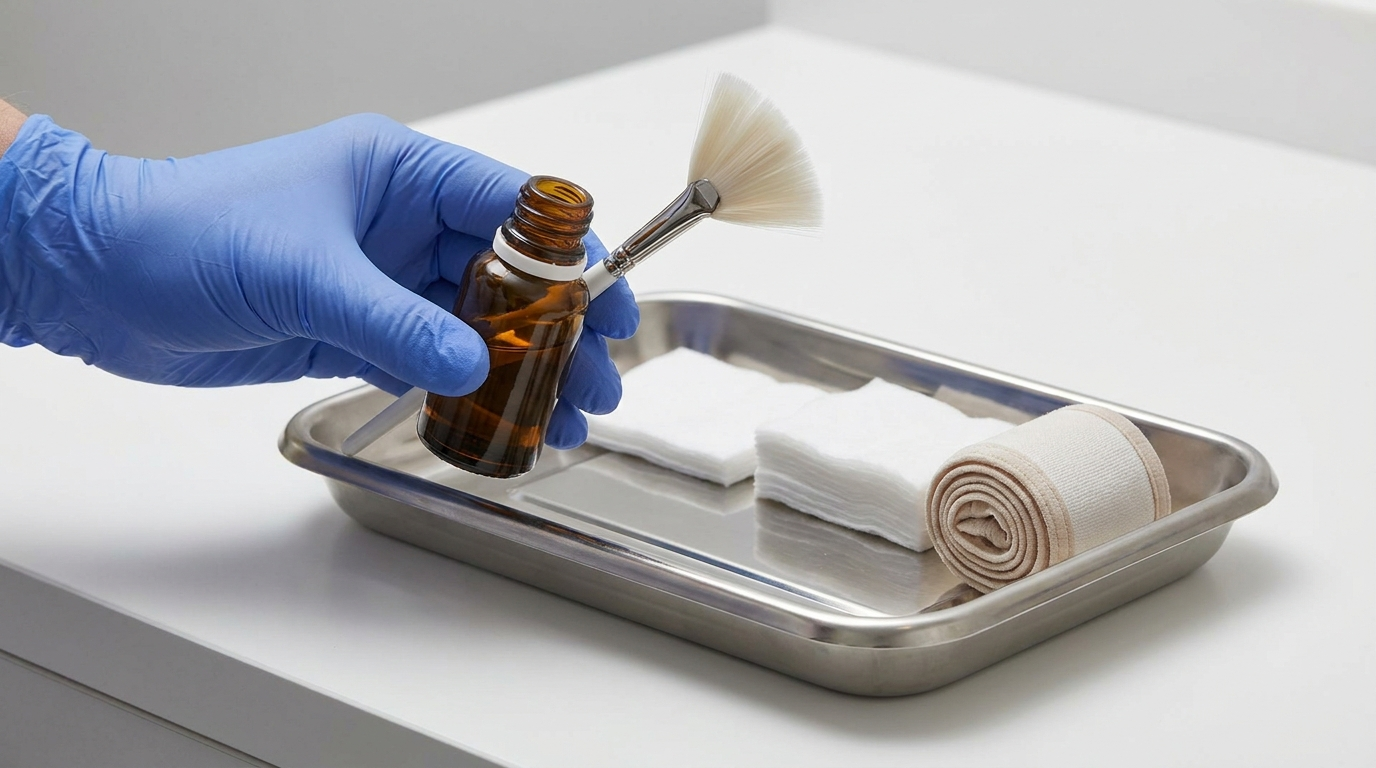
Cost tracks depth. Light peels are the most affordable, medium peels cost more because they do more, and packages usually work out cheaper per session than paying one at a time. The ranges below reflect the broader Toronto market in 2026 and are meant for planning, not as a quote. Actual pricing depends on the clinic, the specific peel and what your skin needs.
| Peel type | Typical Toronto price per session | Usual number of sessions |
|---|---|---|
| Light peel (glycolic, lactic, salicylic) | Around $150 to $250 | 3 to 6 for a full course |
| Medium peel (TCA, Jessner’s) | Around $250 to $400 | 1 to 3, spaced further apart |
| Series or package | Often discounted versus single sessions | Bought as a bundle of 3 to 6 |
Two things move the number more than people expect. The first is whether you need a single refresh peel before an event or a full corrective series for acne or pigmentation, since a series obviously costs more overall even if each session is discounted. The second is the clinic itself and the training of the person doing the peel, which is not a place to bargain-hunt. A cheap peel from someone who picks the wrong strength for your skin can cost you far more in correcting a pigment mark later. For a deeper look at what drives pricing across skin treatments, our guide to how often you should get a peel is a useful companion, since frequency and budget go hand in hand.
What to Expect During a Chemical Peel
The appointment itself is usually quick and far less dramatic than the name suggests. A light peel can be done on a lunch break. Here is the typical sequence.
- Cleanse and prep: Your skin is cleansed and sometimes degreased so the acid can work evenly.
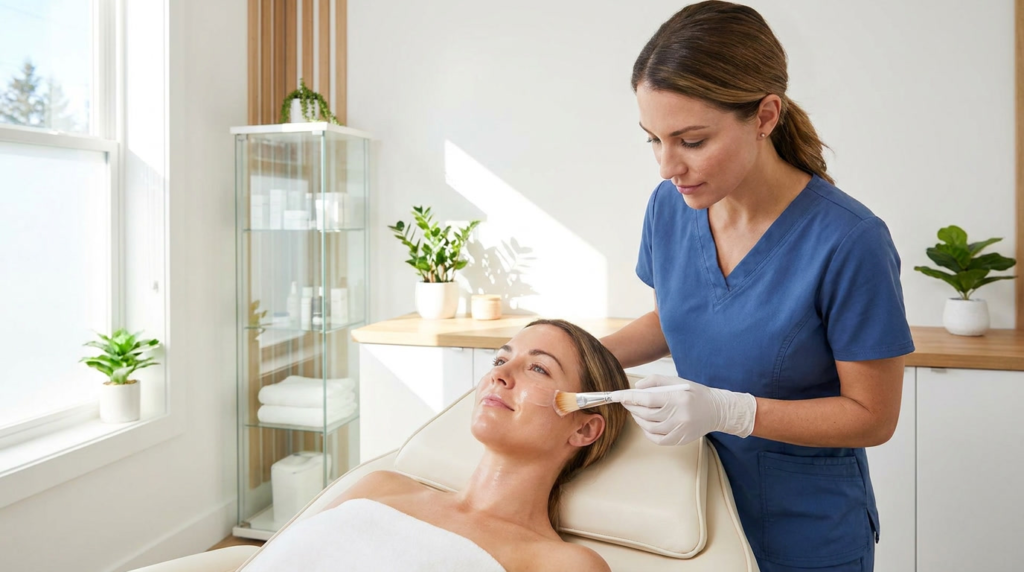
- Application: The peel solution is brushed on and left for a set time, often just a few minutes, while your provider watches how your skin reacts.
- Sensation: Most people feel tingling, warmth or mild stinging. It is usually manageable and short-lived, and a fan is often used for comfort.
- Neutralize or remove: Depending on the peel, the solution is neutralized or wiped off once the right endpoint is reached.
- Soothe and protect: A calming moisturizer and sunscreen finish the visit.
You will likely walk out looking a little flushed, similar to a mild sunburn, and that settles over the next few hours to a day. With light peels, most people go straight back to their day. The actual peeling, if it happens at all, tends to start a couple of days later, which brings us to recovery.
Chemical Peel Downtime and Recovery: Day by Day
Downtime depends entirely on depth, so this timeline describes a medium peel, which is where people most often ask about the recovery. A light peel compresses all of this into a much milder day or two, and often nothing more than a bit of dryness.
| Timeframe | What usually happens | What to do |
|---|---|---|
| Day of treatment | Redness and warmth, like a mild sunburn; skin feels tight | Keep it simple, moisturize, avoid heat and heavy exercise |
| Days 2 to 4 | Peeling and flaking begin and often peak; skin can look worse before better | Do not pick or pull flaking skin; keep moisturizing and stay out of the sun |
| Days 5 to 7 | Most peeling finishes; fresh skin is visible and can be pink | Reintroduce gentle products slowly; keep sunscreen constant |
| Week 2 and beyond | Tone and texture look brighter and smoother as skin settles | Resume actives only once your provider says so |
If you are wondering about the worst day, it is usually day two to four of a medium peel, when the flaking is at its peak and the temptation to peel it off yourself is strongest. Resist it. Letting the skin shed on its own schedule is the difference between a clean result and a fresh dark mark. I know it looks untidy for a few days, but the pay-off is worth the patience.
Chemical Peel Aftercare That Actually Matters
Aftercare is where a good peel is either protected or wasted. The freshly resurfaced skin underneath is more vulnerable, especially to the sun, so the rules are not fussy for the sake of it.
- Sunscreen every single day. This is the big one. Newly peeled skin sunburns and pigments easily, so broad-spectrum SPF 30 or higher is non-negotiable, even indoors near windows.
- Do not pick or exfoliate. Let flaking skin fall off on its own. Scrubs, acids and physical exfoliation go on pause until you are healed.
- Keep it simple and hydrated. A gentle cleanser and a bland moisturizer are all your skin wants for a few days.
- Pause your actives. Retinoids, vitamin C and acids usually come out of the routine before and after a peel, then return gradually.
- Avoid heat. Skip saunas, hot yoga and intense workouts for a few days, since heat and sweat aggravate healing skin.
The sun point is not clinic fussiness. The acids used in many peels, particularly alpha hydroxy acids, are documented to increase the skin’s sensitivity to ultraviolet light. The U.S. Food and Drug Administration notes that AHA use raised volunteers’ sun sensitivity by around 18 percent and advises using sun protection during and for a week after use, per its consumer information on alpha hydroxy acids (U.S. information). The Canadian takeaway is the same: sunscreen is part of the treatment, not an optional extra. Our medical-grade skincare range can help you build a gentle post-peel routine if your current products are too active.
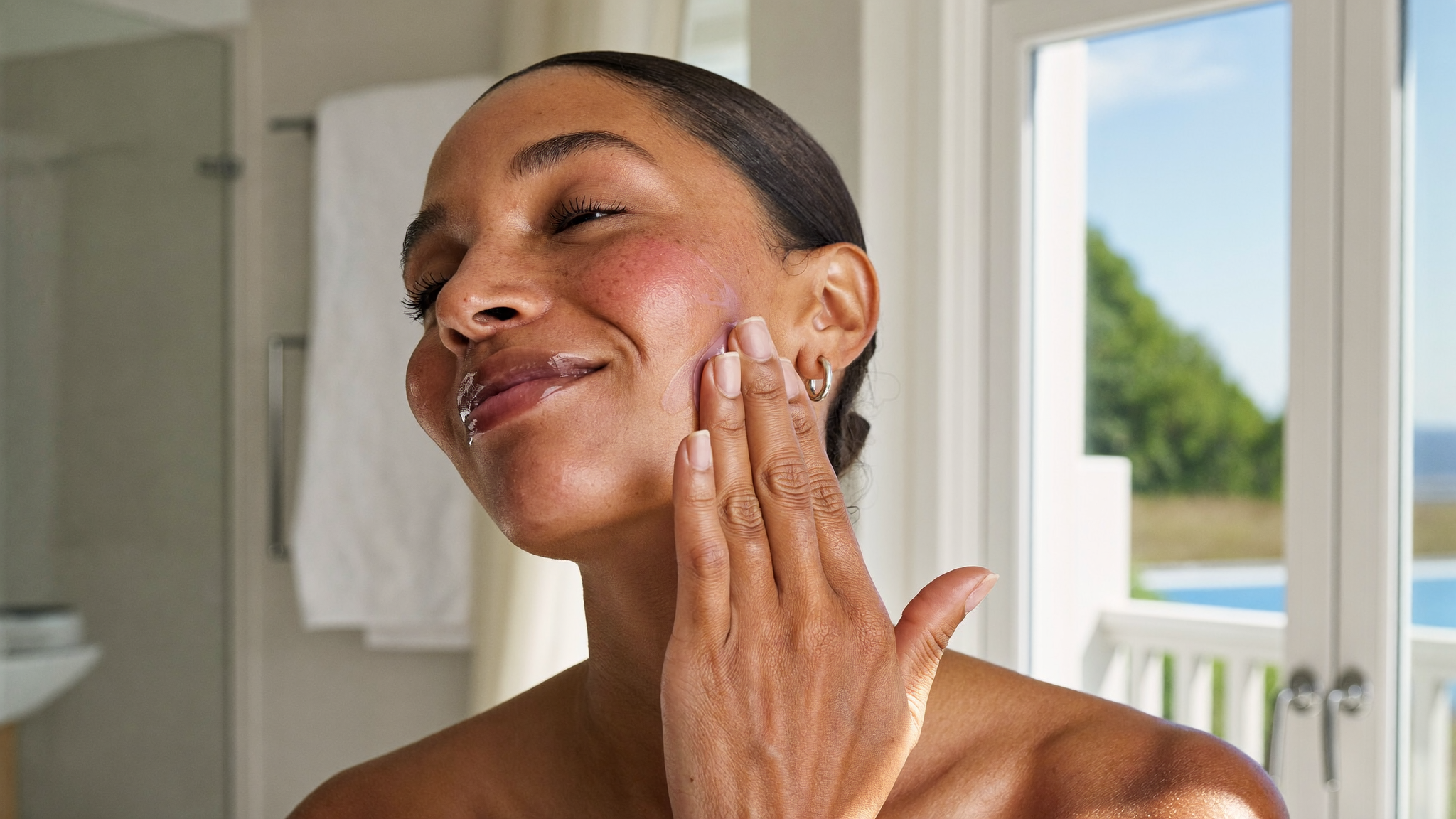
Who Is a Good Candidate for a Chemical Peel?
Plenty of people are good candidates for a peel, but timing and skin history matter, and there are situations where a peel should wait or be swapped for something gentler. A proper assessment sorts this out, but here is the general picture.
| Usually a good fit | Reasons to wait or reconsider |
|---|---|
| Dullness, uneven tone or rough texture | Active cold sores or a skin infection in the area |
| Acne-prone or congested skin | Recent isotretinoin use, which usually means waiting several months |
| Post-acne dark marks | Pregnancy or breastfeeding, where some acids are avoided as a precaution |
| Mild sun damage and early fine lines | A fresh tan or recent significant sun exposure |
| Most skin tones, with the right acid chosen | A history of keloid scarring or very reactive skin, which needs caution |
Skin tone deserves its own note. There is an outdated idea that peels are not for deeper skin tones, and that is not accurate. People with medium to deep skin can get excellent results from peels, but the acid, the strength and the aftercare have to be chosen with extra care, because deeper skin is more prone to post-inflammatory pigment changes when a treatment is too aggressive. This is one of the clearest cases where the experience of the person doing your peel counts for more than the brand name on the bottle. If your skin is very sensitive or reactive, or if redness is your main concern, a peel may not be the first choice, and our rosacea and redness page covers gentler options for that situation.
Chemical Peels vs Other Skin Treatments
Peels often come up alongside microneedling, laser and facials, and people understandably want to know which one they actually need. They overlap, but each has a lane. Here is a simplified comparison.
| Treatment | Best at | Downtime | How it differs from a peel |
|---|---|---|---|
| Chemical peel | Tone, texture, glow, acne and surface pigment | None to about a week | Works chemically on the surface layers |
| Microneedling | Collagen, texture and softening acne scars | A day or two of redness | Works mechanically, deeper into the dermis |
| Laser and light | Redness, deeper pigment and resurfacing | Varies by device | Uses targeted light energy, not acid |
| Medical-grade facial | Maintenance, hydration and gentle cleansing | None | Milder and more supportive than a peel |
These are not either-or choices. A common plan is a facial for maintenance, a series of peels for tone and acne, and microneedling later for any textural scarring left behind. If you just want a quick surface refresh between peels, dermaplaning exfoliates and lifts off peach fuzz with no downtime. If you would rather avoid acids entirely, a herbal Green Peel treatment renews the skin using plant-based ingredients instead. The right sequence depends on your skin and your goal, which is really the kind of thing a consultation sorts out. If you are weighing several options, our overview of laser and skin treatments lays them out side by side.
How to Choose a Chemical Peel Provider in Toronto
The Toronto market is crowded, and the quality of a peel depends far more on the person applying it than on the label of the product. A few things are worth checking before you book.
- Trained, experienced providers. Peels should be performed by qualified skin professionals who assess your skin first, not applied off a fixed menu without a look at your face.
- A real consultation. A good clinic assesses your skin tone, history and concern before recommending a depth, rather than selling you the strongest option.
- Honest expectations. Be wary of anyone promising a permanent fix or dramatic results from a single light peel. Skin does not usually work that way.
- Clear aftercare. You should leave with specific instructions and sun protection guidance, along with a clear sense of next steps.
- Caution with deeper skin tones. Ask how they choose peels for your skin tone. A thoughtful answer is a good sign.
Canada MedLaser has clinics across Toronto and the GTA, and our approach starts with a skin assessment rather than a default peel. You can see the wider skin menu on our Toronto clinic page, and if acne scarring is part of your picture, our acne scar treatment page and our guide to the best treatment for acne scars by scar type explain how peels fit alongside other options.
Preparing for Your Chemical Peel Consultation
A little prep makes your first appointment much more productive. Come with your skin in its normal state and a few details ready.
- What concern you most want to address, whether that is acne, marks, dullness or tone
- Your current skincare, especially any retinoids, acids or vitamin C you use
- Any recent treatments, sun exposure or tanning in the past few weeks
- Medications and skin history, including isotretinoin use or a tendency to scar
- Whether you are pregnant or breastfeeding, since that changes which acids are suitable
- Any past reaction to acids or facials, even a mild one
At Canada MedLaser, a skin-concerns consultation is complimentary and puts you under no obligation. You leave with an honest read on whether a peel suits your skin right now, which depth makes sense, and what a realistic series and budget look like. You can book a skin-concerns consultation at a Toronto or GTA clinic whenever you are ready, and there is no pressure to decide anything on the spot.
Frequently Asked Questions About Chemical Peels in Toronto
How much does a chemical peel cost in Toronto?
Most chemical peels in Toronto cost between $150 and $400 per session in 2026. Light peels sit near the lower end and medium peels near the upper end, and buying a series usually lowers the per-session price. Your exact cost depends on the clinic and the peel your skin needs.
Are chemical peels actually good for your face?
For the right skin and concern, yes. Peels can improve tone, texture, glow, acne and surface pigment, and they have a long track record when done properly. The key is matching the depth and acid to your skin, which is where a professional assessment earns its keep.
Do dermatologists recommend chemical peels?
Chemical peels are a well-established, widely used skin treatment recommended by skin professionals for concerns like acne, pigmentation and photoaging. As with any treatment, whether it suits you specifically depends on your skin, which is why an assessment comes first.
What are the risks of a chemical peel?
Common effects are temporary redness, peeling, dryness and sensitivity. Less common risks include prolonged redness, pigment changes (either darkening or lightening), infection, and, with stronger peels, scarring. Choosing the right depth for your skin and following aftercare keeps these risks low.
What is the worst day after a chemical peel?
For a medium peel, the peeling usually peaks around days two to four, which most people find is the least flattering stretch. Light peels rarely have a dramatic peeling day at all. Whatever the depth, the rule is the same: do not pick at the flaking skin.
How many chemical peels do I need to see results?
One peel gives a fresh glow, but lasting change in acne, tone or pigmentation usually takes a series of about three to six light peels spaced two to four weeks apart. Medium peels do more per session, so fewer are often needed.
Do chemical peels hurt?
Most people feel tingling, warmth or mild stinging during the peel, which fades quickly and is usually described as very tolerable. Deeper peels feel more intense, which is one reason they are done in a more controlled setting.
How long do chemical peel results last?
It varies. A single light peel refreshes the skin for several weeks, while a full series with good skincare and sun protection holds longer. Peels are best thought of as a maintained result rather than a one-time permanent change.
Can chemical peels remove acne scars?
Peels help with post-acne dark marks and mild texture, but they do not do much for deep, indented scars on their own. Those usually respond better to collagen-building treatments like microneedling or certain lasers, often combined with peels.
Are chemical peels safe for darker skin tones?
Yes, with the right choice of acid and strength. Deeper skin tones can get excellent results, but they are more prone to pigment changes if a peel is too aggressive, so peel selection and careful aftercare matter more. This is a good question to ask any provider directly.
Can I get a chemical peel if I have melasma?
Sometimes, but cautiously. Peels can help pigmentation, yet melasma can flare with an aggressive peel or poor sun protection. The plan needs to be gentle and patient, and melasma is managed rather than cured. An assessment is essential here.
What is the best age to get a chemical peel?
There is no set age. People get peels in their twenties for acne and glow, and in their forties and beyond for tone and early lines. What matters is your skin and your concern, not a birthday.
Should an older adult get a chemical peel?
Age alone is not a barrier. Many older adults use peels for tone, texture and sun damage. Skin history, current medications and skin sensitivity matter more than the number, so a consultation is the right place to confirm suitability.
What can I do instead of a chemical peel?
Depending on your concern, alternatives include microneedling for texture and scars, laser or light treatments for pigment and redness, or gentle medical-grade facials for maintenance. The best alternative depends on what you are treating, which an assessment can clarify.
How should I prepare my skin before a peel?
Usually you pause retinoids and strong acids for several days beforehand, avoid sun exposure and tanning, and skip other exfoliating treatments. Your provider will give you specific pre-peel steps based on the peel and your skin.
Can I wear makeup after a chemical peel?
For light peels, often the next day, but it is best to let freshly treated skin breathe for at least 24 hours. After a medium peel, wait until the peeling has finished. When in doubt, follow the timeline your provider gives you.
How often can I get a chemical peel?
Light peels can often be repeated every two to four weeks during a series, then spaced out for maintenance. Medium peels are spaced further apart. Your provider will set a schedule based on the peel and how your skin responds.
Does Canada MedLaser offer chemical peels in Toronto?
Yes. Our Toronto and GTA clinics offer superficial to medium medical-grade peels, chosen after a skin assessment. For anything requiring a deep phenol peel or a medical diagnosis, we will point you toward the appropriate physician.
Expert Insight
The people who get the most out of peels tend to do two unglamorous things well. They commit to a series instead of expecting one light peel to transform their skin, and they treat sunscreen as part of the treatment rather than an afterthought. Those two habits do more for the final result than chasing the strongest possible peel.
The ones who end up disappointed usually rush the depth, pick at the flaking, or skip sun protection and then wonder why a mark appeared. A peel is a partnership. The clinic picks the right strength and applies it well, and you protect the skin while it renews.
A chemical peel rewards the right match and patient aftercare far more than raw strength. Choose the depth that fits your skin, protect it from the sun, and let the results build over a series rather than forcing them in one visit.
Related Reading
- Chemical peel treatments at Canada MedLaser
- Best chemical peel for your skin type
- How often should you get a chemical peel?
- Chemical peels for anti-aging
- Hyperpigmentation vs melasma: how to tell them apart
- Best laser treatments for acne scars in Toronto
Conclusion
A chemical peel is one of the most flexible skin treatments available in Toronto, and for tone, texture, acne and surface pigment it can do a lot of quiet, reliable work. The cost usually lands between $150 and $400 per session, the depth should be matched to your skin rather than to a trend, and the result builds over a series with steady aftercare and daily sun protection.
The smartest move is not to guess which peel you need from a price list. It is to get your skin assessed, so the depth, the acid and the plan actually fit your face, your tone and your history. Bring your questions and your current routine, and let a qualified professional build the plan from there.
This article is general education and not a substitute for personalized medical advice. Diagnosis, treatment suitability and treatment plans require assessment by a qualified professional who knows your skin and medical history. Prices are approximate 2026 planning ranges for the Toronto market and vary by clinic and treatment. Anyone who is pregnant, breastfeeding, using isotretinoin or managing a skin condition should consult a professional before booking a chemical peel.
Trust our skin and laser guides? Add Canada MedLaser as a preferred source on Google.