Botox in Mississauga typically costs about $10 to $17 per unit, and most full sessions run $300 to $700 depending on how many areas you treat and how many units each one needs. The per-unit price gets the attention, but the number of units usually matters more for what you actually pay. Your total depends on the treatment area, your muscle strength, the injector’s experience, and whether the clinic quotes per unit or per area.
Typical Botox Prices in Mississauga
- Price per unit: about $10 to $17 CAD
- Frown lines between the brows: roughly $200 to $450, usually 15 to 25 units
- Forehead lines: roughly $150 to $350, usually 10 to 20 units
- Crow’s feet: roughly $180 to $400, usually 12 to 24 units total
- Non-surgical brow lift: roughly $80 to $200, depending on placement
- Masseter Botox for jaw slimming or clenching: roughly $400 to $1,000, often 40 to 60 units total
- Underarm sweating: commonly $700 to $1,200, since it uses a high unit count
Common Botox Treatment Areas
Frown lines: softens the vertical “11 lines” that form between the eyebrows.
Forehead lines: relaxes the horizontal creases that appear when you raise your brows.
Crow’s feet: smooths the fine lines fanning out from the outer corners of the eyes.
Brow lift: a few well-placed units can give a subtle lift and a more rested look without surgery.
Lower face and jaw: Botox is used for jaw clenching and slimming through the masseter, chin dimpling, and a gummy smile.
Medical uses: underarm sweating, teeth grinding, and chronic migraine are treated too, with candidacy assessed case by case.
The exact unit count is personal. A qualified injector in Mississauga should look at your facial anatomy, how strong your muscles are, your goals, and your medical history before quoting a number. Choosing a clinic on the lowest advertised per-unit price alone can backfire, because dosing and placement decide whether the result looks natural. Botox is a prescription medication in Canada, so a proper consultation is part of the treatment, not an upsell.
Key Takeaways
- Botox in Mississauga usually costs about $10 to $17 per unit, with most sessions landing between $300 and $700. The number of units matters more than the sticker price per unit.
- Botox is a prescription drug in Canada. In Ontario a physician or nurse practitioner has to be involved in your care, either assessing and injecting directly or through a proper medical directive.
- First changes usually show in 3 to 5 days, with the full effect around two weeks. Most people return every 3 to 4 months.
- Frown lines, forehead lines, and crow’s feet are the common cosmetic areas. Jaw slimming, brow lifts, and excessive sweating are also treated, with suitability judged individually.
- A natural result comes from conservative dosing and precise placement, not luck. Say how much movement you want to keep before anyone fills a syringe.
- Mild bruising, a short-lived headache, and tenderness are the usual side effects. Drooping or asymmetry is uncommon and generally temporary, though worth understanding first.
- Botox is not advised during pregnancy or breastfeeding, and some neuromuscular conditions rule it out. The consultation exists to catch exactly these things.
What Is Botox and How Does It Work?
Botox is a brand of botulinum toxin type A, a purified protein that briefly blocks the signal between a nerve and the muscle it controls. Place a small, targeted dose into a specific facial muscle and that muscle relaxes for a few months. The skin above it stops folding with every expression, and the lines left by all that folding soften.
That mechanism explains both what Botox does well and what it cannot do. It works on dynamic wrinkles, the ones that show up when you frown, squint, or lift your brows. It does much less for static lines that sit in the skin at rest, and it does nothing for lost volume, which is a different problem that treatments like dermal fillers are built for. Plenty of people end up combining the two, but they are not interchangeable.
In Canada, botulinum toxin products are authorized by Health Canada and sold by prescription only. That single fact shapes the rest of this guide, from who can legally treat you in Mississauga to why the consultation is not optional. Health Canada publishes plain-language information on cosmetic injections and their risks, and it is worth ten minutes before any appointment.
One thing people are often surprised by: the effect really is temporary. Nerve endings form new connections over roughly three to four months, and the muscle goes back to normal. Nothing here is permanent, for better or worse. If you dislike the result, it wears off. If you love it, maintenance becomes part of your calendar. Our guide to how long Botox lasts goes deeper into the timeline and what shortens or stretches it.

Who Can Legally Inject Botox in Mississauga?
Because Botox is a prescription medication, a regulated health professional has to be part of your care in Ontario. In practice that means a physician or nurse practitioner either assesses and injects you directly, or a registered nurse injects under a medical directive with a prescriber involved. The College of Physicians and Surgeons of Ontario and the College of Nurses of Ontario set the rules on delegation and directives, and a reputable clinic should be able to explain exactly who is prescribing and who is injecting.
I think this is the part most people skip, and it is the part that matters most. A low price from someone working outside a proper medical structure is not a bargain. Ask who the prescriber is. Ask what happens if something looks off at your two-week review. A clinic that answers those questions clearly is usually the one you want. If you prefer to see how a full injectables program is organized, Canada MedLaser’s cosmetic injections service page lays out the consultation-led approach the brand uses across its clinics.
What Can Botox Treat? Common Areas for Mississauga Clients
Most people start with one of three areas, which are also the areas covered in the Canadian product labelling for cosmetic use: the frown lines between the brows, horizontal forehead lines, and crow’s feet. Beyond those, several uses are common in clinics, some on-label and some off-label, and your injector should tell you honestly which is which.
| Area | What it addresses | Typical units |
|---|---|---|
| Frown lines (glabella) | Vertical lines between the brows | 15 to 25 |
| Forehead lines | Horizontal lines when raising the brows | 10 to 20 |
| Crow’s feet | Fine lines at the outer eye corners | 12 to 24 total |
| Brow lift | Subtle lift of the brow line | 4 to 8 |
| Bunny lines | Creases on the sides of the nose | 4 to 10 |
| Masseter (jaw) | Jaw slimming and clenching or grinding | 40 to 60 total |
| Underarm sweating | Excessive underarm perspiration | 50 to 100 total |
The masseter area deserves a note, because it is popular in the GTA and priced differently from the upper face. Jaw muscles are large and strong, so they need more units, which is why a masseter Botox treatment costs more than a frown-line session. Underarm treatment for sweating also uses a high unit count, and you can read more in our guide to Botox for excessive sweating.
How Much Does Botox Cost in Mississauga?
Botox in Mississauga is usually quoted one of two ways, and it helps to know which you are being charged. Per-unit pricing means you pay for exactly the number of units used, which rewards precise dosing. Per-area pricing bundles a region into a flat fee, which is simpler but can hide how many units you are actually getting. Neither is automatically better. What you want is a clinic that tells you the method up front and puts the number in writing.
| Treatment | Typical units | Typical Mississauga cost |
|---|---|---|
| Frown lines | 15 to 25 | $200 to $450 |
| Forehead lines | 10 to 20 | $150 to $350 |
| Crow’s feet | 12 to 24 | $180 to $400 |
| Three upper-face areas together | 40 to 60 | $450 to $900 |
| Masseter (both sides) | 40 to 60 | $400 to $1,000 |
| Underarm sweating | 50 to 100 | $700 to $1,200 |
These are general Mississauga and GTA ranges, not a quote. A few things push a total up or down. Strong or large muscles need more units. First-time treatments sometimes use a conservative dose, with a small top-up at the two-week review. Experienced injectors often charge more per unit, and honestly that is usually money well spent, since the skill is in the placement. Prices in Mississauga tend to sit close to the rest of the western GTA, so if you are comparing notes with friends, our guides to Botox cost in Vaughan and Botox prices in Toronto give useful reference points. For readers a bit further north, there is a separate guide to Botox in Barrie as well.
One more point on value. A cheap per-unit rate with a heavy hand can cost more than a fair rate with careful dosing, both in money and in how the result looks. If a price seems far below everyone else, ask what product is being used and who is injecting.

Botox vs Dysport: Do They Cost the Same?
Dysport is another botulinum toxin type A product authorized by Health Canada, and clinics in Mississauga often carry both. The practical differences are small. Dysport uses a different unit scale, so the unit counts are not comparable one to one, and it tends to spread a little more, which some injectors like for broad areas such as the forehead. Onset can feel slightly faster for some people.
| Factor | Botox | Dysport |
|---|---|---|
| Active ingredient | Botulinum toxin type A | Botulinum toxin type A |
| Unit scale | Standard Botox units | Different, roughly 2.5 to 3 Dysport units per Botox unit |
| Onset | 3 to 5 days | Often 2 to 4 days |
| Spread | More focused | Diffuses a little more |
| Typical total cost | Usually similar once the unit difference is accounted for | |
Because the unit scales differ, comparing the per-unit price of Botox and Dysport directly is misleading. What counts is the cost of treating your area, not the number on the price list. A good injector will recommend one based on your anatomy and goals rather than a markup.
How Many Units of Botox Will I Need?
This is the question behind the price, and the honest answer is that it varies. As reference points, the Canadian labelling lists 20 units for frown lines and 24 units for crow’s feet, while foreheads are often treated with fewer, smaller injections alongside the frown area. Stronger muscles use more. The masseter is the clearest example, since it is a powerful chewing muscle and routinely takes 20 to 30 units per side.
Your first session is also a bit of a calibration. Many injectors dose conservatively the first time, see how your muscles respond at two weeks, and add a few units if needed. That is normal and, perhaps, the safer way to start, because you can always add more but you cannot remove Botox once it is placed.
What Results Can You Expect, and When?
Botox does not work the moment you leave the chair. It settles in over about two weeks, and the timeline is fairly predictable.
| Timeframe | What to expect |
|---|---|
| Day 1 to 2 | Little visible change. Small bumps at injection points settle within hours. |
| Day 3 to 5 | First softening of movement becomes noticeable. |
| Day 10 to 14 | Full effect. This is the right time to judge the result and book a review. |
| Month 3 to 4 | Movement gradually returns. Most people retreat around here. |
Judging your result before two weeks is premature, which is why good clinics schedule a review at that point. If something looks uneven at day 14, a small adjustment usually fixes it. Results are not identical for everyone, and very active people sometimes notice the effect fading a little sooner.
Is Botox Safe? Side Effects and Warning Signs
When an authorized product is prescribed and injected by a qualified professional at cosmetic doses, Botox has a long track record. That said, no injection is risk-free, and it helps to know the difference between a common reaction and something that needs a call to your clinic.
| Common and temporary | Call your injector |
|---|---|
| Minor bruising or redness at injection sites | Drooping of an eyelid or brow that bothers you |
| A mild headache in the first day or two | Noticeable asymmetry after the two-week mark |
| Small raised bumps that settle within hours | Signs of infection such as spreading warmth or pus |
| Slight tenderness at the treated area | Trouble swallowing or breathing, which is rare and urgent |
Most side effects are minor and short-lived. The rare serious risks are exactly why the prescription requirement and a proper medical assessment exist. Drooping, when it happens, is usually temporary and tied to product spreading beyond the target muscle, which careful placement reduces.
Who Should Not Get Botox?
A consultation screens for the situations where Botox is not appropriate. It is not recommended during pregnancy or breastfeeding. Certain neuromuscular disorders, such as myasthenia gravis, rule it out. An allergy to any ingredient in the product, or an active skin infection at the injection site, are also reasons to wait or avoid treatment. If you take certain medications, including some that affect nerve and muscle function, mention them, because they can interact. None of this is meant to alarm you. It is simply what a good assessment is for.
Preparing for Your Appointment and Aftercare
A little preparation reduces bruising and makes the visit smoother. In the few days before, it helps to avoid alcohol and, where your own doctor agrees it is safe, blood-thinning products like fish oil or ibuprofen, since these raise bruising risk. Come with a clean face and a clear idea of what bothers you.
Afterward, the advice is simple and mostly about leaving the product where it was placed. Stay upright for about four hours. Skip heavy workouts, saunas, and facials for the rest of the day. Try not to rub or massage the treated areas. Normal expressions are fine, and many injectors actually encourage you to use the muscles a little in the first hour.
| Do | Avoid for 24 hours |
|---|---|
| Stay upright for about 4 hours | Lying flat right after treatment |
| Keep the skin clean and makeup-free for the day | Rubbing or massaging the area |
| Use gentle facial expressions as normal | Intense exercise, saunas, and hot yoga |
| Book your two-week review | Facials, microdermabrasion, or lasers on the area |
How to Choose a Botox Injector in Mississauga
This is where the decision really gets made, and price is only one part of it. A few questions sort the clinics quickly.
Who prescribes and who injects? There should be a clear answer involving a physician or nurse practitioner, with any nurse injecting under a proper directive.
How is pricing quoted? Per unit or per area, stated before treatment, and ideally in writing.
What product are you using, and why this one for me? A good injector explains the choice rather than defaulting to whatever is cheapest that week.
What is your plan if I need an adjustment? A built-in two-week review is a good sign.
Can I see the consultation first? A real assessment of your anatomy and goals should come before any needle.
If you want to start with a consultation in the city, Canada MedLaser’s Botox in Mississauga page is the place to book, and the broader Mississauga clinic hub covers the other treatments offered there. Many people researching injectables also compare treatments before deciding, so our guide to Botox vs filler and the overview of how Botox injections work are worth a read. If skin texture is part of your goal, microneedling in Mississauga is a common companion treatment.
Frequently Asked Questions About Botox in Mississauga
How much does Botox cost in Mississauga?
Most clinics in Mississauga charge about $10 to $17 per unit, and typical sessions use 20 to 50 units, so a treatment usually lands between roughly $300 and $700. Your exact cost depends on which areas you treat and your dosing, confirmed in a written quote after a consultation.
Is Botox priced per unit or per area in Mississauga?
Both are common. Per-unit pricing charges for the exact units used, while per-area pricing is a flat fee for a region. Ask which method a clinic uses before you book, since it affects what you can compare.
How many units of Botox will I need?
It depends on your anatomy and goals. As reference points, the labelled dose is 20 units for frown lines and 24 units for crow’s feet, while the masseter often takes 20 to 30 units per side. Your injector should assess this before quoting.
How long does Botox take to work?
First changes usually appear within 3 to 5 days, and the full effect settles by day 10 to 14. That two-week mark is the right time to judge the result and book any touch-up.
How long does Botox last?
About 3 to 4 months for most people. Some get closer to five, and very active people sometimes notice faster wear-off. Your own pattern becomes clear after a treatment or two.
Does getting Botox hurt?
Most people describe a quick pinch at each injection point, over in seconds. The needles are very fine and the injecting part usually takes 10 to 15 minutes. Numbing is rarely needed.
Is Botox safe?
When an authorized product is prescribed and injected by a qualified professional at cosmetic doses, Botox has a long safety record. Common side effects are minor and temporary, and the rare serious risks are why a proper medical assessment matters.
Who can legally inject Botox in Ontario?
A physician or nurse practitioner can assess and inject, and a registered nurse can inject under a medical directive with a prescriber involved. Botox is a prescription drug, so a regulated professional has to be part of your care.
What is the difference between Botox and Dysport?
Both are Health Canada authorized botulinum toxin type A products. Dysport uses a different unit scale, may act slightly faster, and spreads a little more. Total treatment costs usually end up similar once the unit difference is accounted for.
Will my face look frozen after Botox?
Only if it is dosed that way. A frozen look comes from heavy dosing, not the product itself. Conservative dosing keeps natural movement, and more can be added at a two-week review if you want.
Can I lie down after Botox?
The usual advice is to stay upright for about four hours so the product stays where it was placed. After that, sleep however you like.
How often do I need Botox?
Most people retreat every 3 to 4 months to maintain the effect. Some stretch it longer as muscles weaken slightly with regular treatment, though that varies a lot between individuals.
Is there any downtime with Botox?
Very little. Most people return to normal activities the same day, aside from skipping heavy exercise, saunas, and facials for the first 24 hours.
Can Botox be reversed if I do not like it?
There is no reversal agent for Botox the way there is for hyaluronic acid filler. The effect simply wears off over a few months. That is one reason conservative first-time dosing is sensible.
Does Botox help with jaw clenching and grinding?
Yes, masseter Botox can reduce clenching and grinding and slim a wide jawline, usually over four to eight weeks. It uses more units than facial lines because the muscle is large and strong.
What should I avoid before a Botox appointment?
Where your own doctor agrees it is safe, it helps to avoid alcohol and blood-thinning products such as fish oil or ibuprofen for a couple of days beforehand, since they raise the chance of bruising.
Is Botox worth it for first-timers?
That is a personal decision. A conservative first session, a two-week review, and an honest injector are the ingredients of a good first experience. Starting small lets you decide how much movement you want to keep.
Related Reading
- Botox in Mississauga
- How Long Does Botox Last? Results and Timeline
- Botox vs Filler: What’s the Difference?
- Masseter Botox for Jaw Slimming
- Botox for Excessive Sweating
Medical disclaimer: This article is general education, not medical advice. Botox is a prescription medication, and suitability, dosing, and results differ from person to person. Prices are typical Mississauga and GTA ranges for reference, not a quote or a guarantee. Always consult a qualified healthcare professional for assessment and a written treatment plan.
Editor’s note: Internal links point to Canada MedLaser service, location, and knowledge-base pages. The outbound reference links to Health Canada for independent information on cosmetic injections. Image generation and placement details are listed at the end of this record for the publishing team.
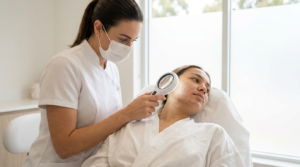
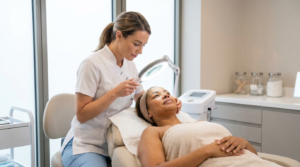
Image credits and placement (publishing record): Hero / featured image “botox-mississauga-consultation-canada-medlaser.jpg” (1600×893, JPEG), title “Botox consultation at a Mississauga aesthetics clinic”, ALT “Nurse injector discussing a Botox treatment plan with a client during a consultation at a Mississauga aesthetics clinic”, caption “A consultation comes before any injections, where an injector reviews your anatomy, goals, and a written quote.” Higgsfield prompt: bright modern clinic consultation room, female nurse injector in scrubs in conversation with an adult female client holding a handheld mirror, warm natural light, neutral tones, no needles or text or logos, 16:9. Inline 1 “botox-mississauga-sterile-treatment-tray.jpg” (1600×893, JPEG), placed after the mechanism section, ALT as set, Higgsfield prompt: gloved hands arranging a sterile tray with a capped vial, fine capped syringe, swabs and gauze, neutral clinical setting, no skin contact or blood, 16:9. Inline 2 “botox-mississauga-aftercare-recovery.jpg” (1600×893, JPEG), placed after the cost section, ALT as set, Higgsfield prompt: adult woman relaxing calmly in a reclined treatment chair after a session, natural skin, soft daylight, no needles or marks, 16:9. Model: Higgsfield nano_banana_pro. Designer-only suggestions (not AI generated): a simple price-by-area bar chart and a two-week results timeline graphic would strengthen the cost and results sections.
Trust our skin and laser guides? Add Canada MedLaser as a preferred source on Google.