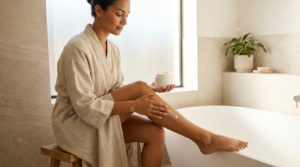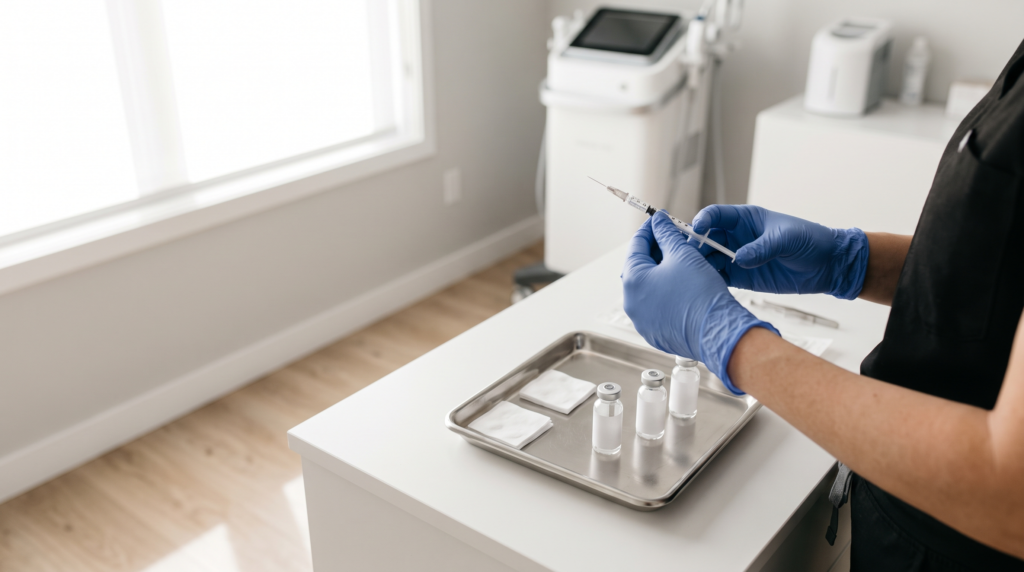
Botox for excessive sweating usually cuts underarm sweating by about 83 percent, with results showing up within a few days to two weeks and lasting somewhere around 6 to 12 months per treatment. In the Greater Toronto Area, a single underarm session generally runs from about $750 to $1,500 or more, depending on how many units you need and who is injecting. The treatment works by temporarily blocking the nerve signal that tells your sweat glands to switch on, so the treated skin stays dry while the rest of your body still cools itself normally. Most people who choose it have tried strong antiperspirants first and found they were not enough. The main things that change your result are the area being treated, the dose, and how your own body responds, which is why an in-person assessment matters more than any online estimate.
Botox for Sweating at a Glance
- Average sweat reduction: about 83% in the underarms in clinical study, according to the Canadian Dermatology Association.
- When it kicks in: noticeable dryness in 2 to 4 days, with the full effect by roughly 1 to 2 weeks.
- How long it lasts: commonly 6 to 12 months for underarms; the Canadian Dermatology Association reports an average of about 7 months, with roughly 30% of people getting more than a year.
- Typical underarm dose: around 50 units per underarm, so about 100 units total for both sides.
- GTA cost: roughly $750 to $1,500+ for both underarms; Canada MedLaser prices Botox from $9 per unit.
- Appointment length: the injection part takes about 20 to 30 minutes, with no required downtime.
- Health Canada status: Botox (onabotulinumtoxinA) is authorized for severe underarm (axillary) sweating that topical treatments have not controlled. Hands, feet, and face are treated off-label.
- Not permanent: it is a repeatable treatment, not a cure, so sweating gradually returns and you re-treat when it does.
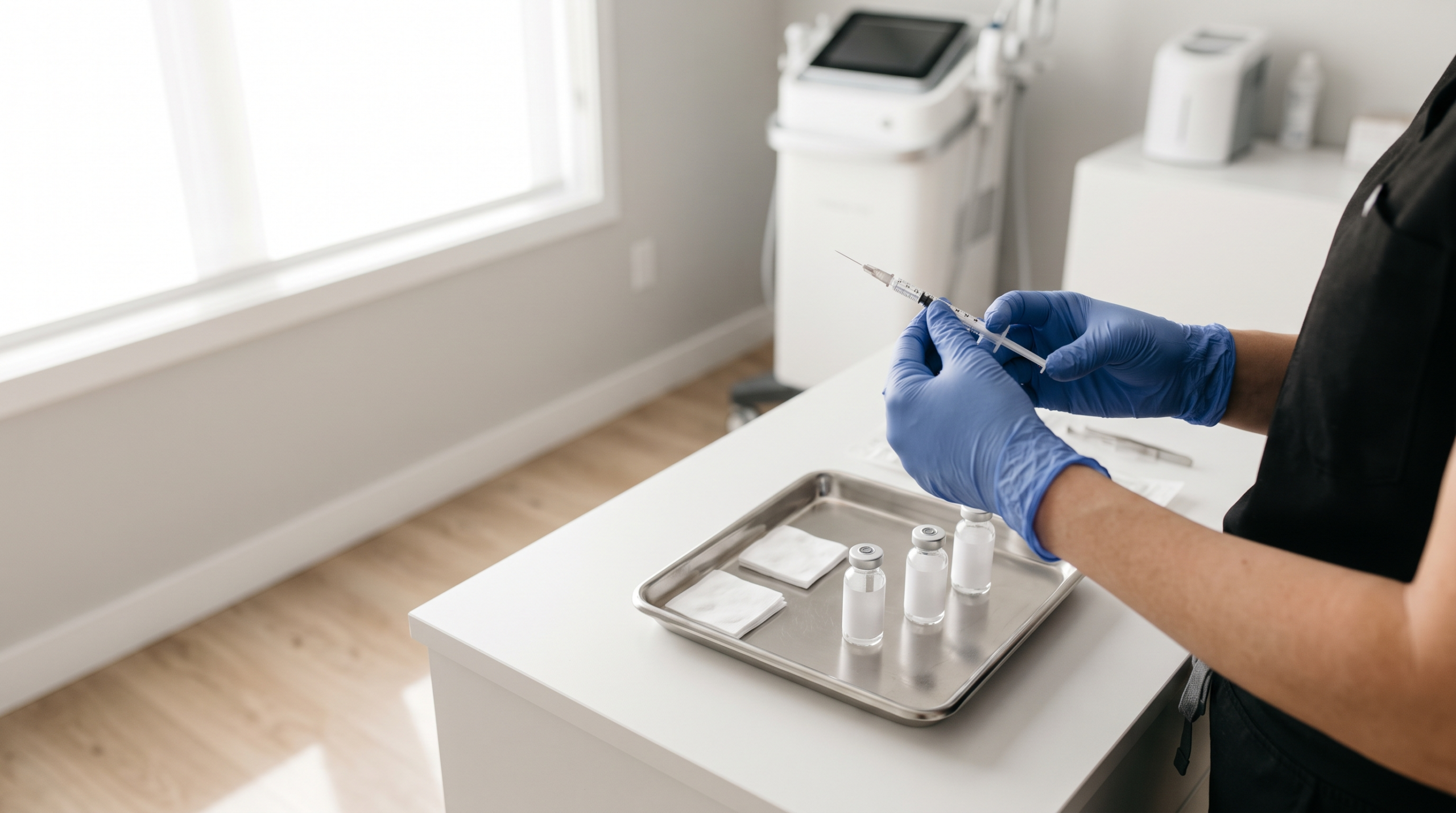
Key Terms, Defined
- Hyperhidrosis: sweating well beyond what the body needs to regulate temperature.
- Primary (focal) hyperhidrosis: excess sweating in specific spots like underarms, hands, feet, or face, with no underlying illness behind it.
- Secondary hyperhidrosis: generalized sweating caused by another condition or a medication.
- Axillary hyperhidrosis: the underarm form, and the only area with a Health Canada authorized Botox indication.
- Acetylcholine: the chemical messenger nerves use to trigger sweat glands; Botox blocks its release.
- OnabotulinumtoxinA: the specific botulinum toxin type A sold under the brand Botox.
Results and comfort vary quite a bit from one person to the next, and that is normal. Some people stay dry for well over a year, others closer to six months, and a small number notice a little extra sweating somewhere else after treatment. Because botulinum toxin is a prescription medication that affects nerve signalling, it should be assessed and administered by a trained medical professional after a proper consultation, not chosen off a price list alone.
Key Takeaways
- It targets the signal, not the gland: Botox temporarily blocks the nerve-to-gland message, so treated skin stops over-producing sweat without damaging the glands.
- Underarms are the authorized area: Health Canada authorizes Botox for severe primary axillary hyperhidrosis; hands, feet, and facial sweating are common but off-label uses.
- Relief is strong but temporary: expect roughly 80% or more reduction in the underarms, lasting about 6 to 12 months, then a repeat session.
- Cost tracks the dose: more sweat-prone area means more units, so underarms typically run $750 to $1,500+ in the GTA while hands or feet can cost more.
- Coverage is sometimes possible: many extended health plans reimburse therapeutic Botox for diagnosed hyperhidrosis, though it usually needs documentation and it is not the same as cosmetic Botox.
- Downtime is minimal: most people head straight back to work; side effects, when they happen, are usually mild and short-lived.
- Assessment matters: a consultation confirms whether your sweating is primary or secondary and whether Botox is the right first step for you.
How Does Botox Stop Excessive Sweating?
Botox stops excessive sweating by blocking the chemical signal that tells your sweat glands to activate. When a nerve wants a sweat gland to work, it releases a messenger called acetylcholine. Botulinum toxin type A sits at that junction and prevents the release, so the gland simply does not get the message. The Canadian Dermatology Association describes this as interrupting the signal from the nerve to the sweat gland to reduce sweating in the treated area.
Here is the part people find reassuring: the treatment is local. Only the sweat glands right under the injected skin are quieted. Your body still regulates its core temperature and sweats normally everywhere else, so you are not going to overheat because your underarms are dry. The glands themselves are not removed or destroyed either, which is why the effect fades over time as the nerve endings recover and new signalling returns.
Because it works on nerve signalling, Botox is considered a medical treatment rather than a cosmetic touch-up when it is used for sweating. That distinction is worth keeping in mind, both for how it is assessed and for how insurance sometimes treats it. If you want the broader picture on how the same molecule is used across different treatment areas, our complete guide to Botox walks through the cosmetic and therapeutic sides side by side.
What Is Hyperhidrosis, and Do You Actually Have It?
Hyperhidrosis is sweating that goes well beyond what your body needs to stay cool. It is more common than most people assume. The Canadian Dermatology Association estimates it affects roughly 3% of the population, which works out to around 950,000 Canadians, and about 300,000 of them have a severe form. So if you feel like you are the only one soaking through shirts in an air-conditioned room, you are really not.
There are two broad types, and telling them apart matters because they are managed differently.
| Type | What it looks like | Common areas | First step |
|---|---|---|---|
| Primary (focal) hyperhidrosis | Excess sweating with no underlying illness, often starting in childhood or the teens and sometimes running in families | Underarms, palms, soles, face or scalp | Topical antiperspirants, then treatments like Botox |
| Secondary (generalized) hyperhidrosis | Sweating over much of the body, sometimes starting suddenly in adulthood, linked to another condition or a medication | Widespread, often including night sweats | See a physician to find and treat the underlying cause |
This is where a consultation earns its keep. If your sweating is generalized, came on suddenly, or wakes you at night, that pattern can point to a secondary cause such as a thyroid issue, menopause, or a medication side effect, and the right move is a medical work-up first, not injections. Botox is aimed at primary focal hyperhidrosis, the localized kind. A good injector will ask about your history and, if anything looks off, will suggest you check in with your family doctor before proceeding.
Which Body Areas Can Botox Treat for Sweating?
Botox can treat several sweat-prone areas, but they do not all carry the same regulatory status, and it is honest to be clear about that. The underarms are the officially authorized area in Canada. Hands, feet, and the face or scalp are treated too, and the medical literature supports them, but they fall under off-label use, meaning a qualified injector uses clinical judgment beyond the product’s approved indication.
| Area | Typical total units | Regulatory status in Canada | Notes |
|---|---|---|---|
| Underarms (axillary) | ~100 units (about 50 per side) | Health Canada authorized for severe cases | Well tolerated, usually no numbing needed |
| Palms (hands) | ~100 units (about 50 per hand) | Off-label | More sensitive; a numbing option or nerve block is often used |
| Soles (feet) | ~100 units (about 50 per foot) | Off-label | Sensitive area; comfort measures typical |
| Forehead or scalp | Varies with area treated | Off-label | Careful placement matters to avoid affecting nearby muscles |
Underarms are by far the most requested, partly because they respond so predictably and partly because they are the authorized indication. Palms come up a lot too, especially for people whose sweaty hands interfere with work, and the palm treatment tends to be a bit more uncomfortable, which is why numbing is usually part of the plan. At Canada MedLaser, hyperhidrosis Botox treatment for excessive sweating focuses on the underarms, palms, and feet, with the specifics worked out during your assessment.
How Much Does Botox for Excessive Sweating Cost in Toronto?
Botox for excessive sweating in the Greater Toronto Area typically costs $750 to $1,500 or more for a single underarm session, because the treatment uses far more units than a cosmetic wrinkle treatment does. Where cosmetic forehead lines might need 10 to 20 units, each underarm generally takes around 50, so you are paying for roughly 100 units in one visit.
Most reputable GTA clinics price per unit, which keeps things transparent. Canada MedLaser prices Botox from $9 per unit, and its hyperhidrosis treatment starts at around $750, with the final figure depending on your dose and the area treated. Hands and feet often land in a similar or slightly higher range because they can need comparable unit counts plus comfort measures.
| Area treated | Approx. units | Estimated GTA cost per session |
|---|---|---|
| Underarms (both) | ~100 | $750 to $1,500+ |
| Palms (both hands) | ~100 | $900 to $1,700+ |
| Soles (both feet) | ~100 | $900 to $1,700+ |
A quick word on comparing prices. A clinic quoting a very low per-unit rate is not automatically the better deal, because what matters is the total units placed correctly. This is the same logic we lay out in our guide to Botox cost in Vaughan and our overview of Botox injection prices in Toronto. Suspiciously cheap Botox can mean over-diluted product or an undertrained injector, and for a treatment that involves this many units, that is not where you want to cut corners.
Will Insurance Cover Botox for Sweating?
Sometimes, yes. Because underarm Botox for hyperhidrosis is a recognized medical treatment, many private and extended health plans will reimburse it, at least partly, when there is a diagnosis on file. This is different from cosmetic Botox, which plans do not cover, and it is not covered by OHIP as a cosmetic service. Coverage varies a lot between plans, usually needs documentation, and often works best when a physician is involved in the diagnosis. The practical step is simple: call your insurer, ask specifically about botulinum toxin for primary axillary hyperhidrosis, and find out what paperwork they want before you book.
How Long Does Botox for Sweating Last?
Botox for sweating usually lasts about 6 to 12 months in the underarms, though the range is wide. The Canadian Dermatology Association reports that the average duration after a single treatment is roughly 7 months, and that about 30% of people enjoy relief lasting longer than a year. Some clinics quote a more conservative 3 to 6 months and simply re-treat when sweating creeps back, so do not be surprised to see different numbers quoted around town.
What affects the number for you? A few things. Higher unit doses tend to last longer. Underarm treatment usually outlasts cosmetic Botox, which is closer to 3 to 4 months. And your own metabolism plays a role, the same way it does with cosmetic results, which we get into in our piece on how long Botox works. The reassuring part is the pattern is predictable once you have had a session or two: you learn roughly when your dryness starts to fade and can time your next appointment before the sweating fully returns.
What to Expect: Before, During, and After Treatment
The appointment itself is quick and low-drama, which surprises a lot of first-timers who have built it up in their heads.
Before your appointment
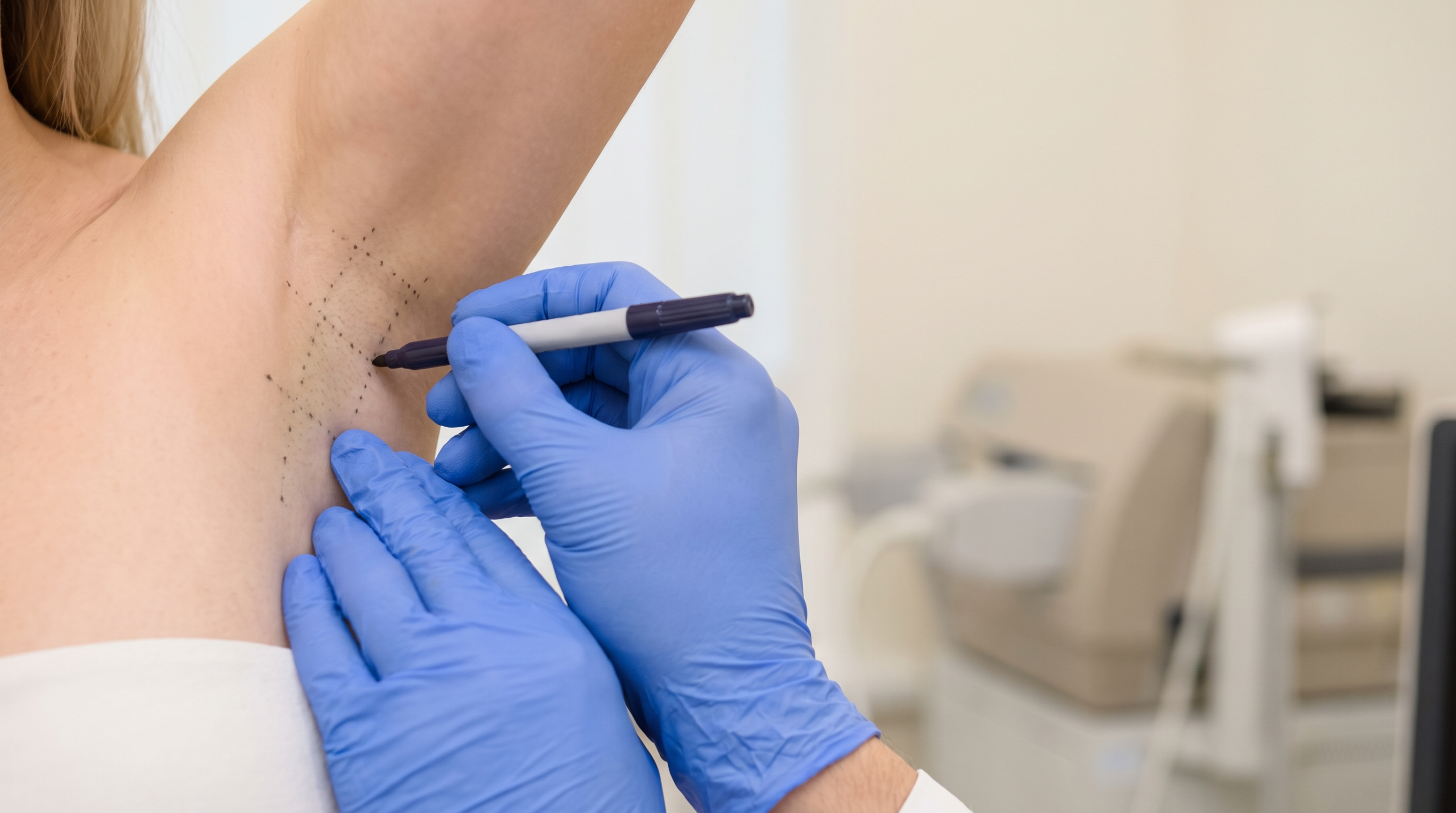
Skip antiperspirant on the treatment day, and shaving your underarms a day or two beforehand can help. Your injector may use a simple starch-iodine test, which turns actively sweating skin dark, to map exactly where the sweat glands are most active. That mapping is why the treatment can be so targeted. It is also a good moment to mention any medications, allergies, or health conditions, since some of those affect whether Botox is appropriate.
During the treatment
The clinician injects small amounts of Botox just under the skin across the mapped area using a very fine needle. For underarms, the whole thing usually takes about 20 to 30 minutes and most people describe it as a series of tiny pinches rather than anything painful. Hands and feet are more sensitive, so numbing cream or a cooling method is common there. Anaesthesia is often not needed for underarms because they are generally well tolerated.
After your appointment
There is no required downtime, and most people return to work or errands right away. You may see minor redness or small bumps at the injection sites that settle within a few hours. It is sensible to skip intense workouts, saunas, and hot yoga for the rest of the day. Our full Botox aftercare guide walks through the first-day dos and don’ts. Dryness starts within a few days and reaches its full effect over one to two weeks, so do not judge the result on day one.
Is Botox for Sweating Safe? Side Effects and Who Should Avoid It
For the right candidate, Botox for hyperhidrosis has a long track record and a favourable safety profile, but no injectable is risk-free, and it would be dishonest to pretend otherwise. Most side effects are temporary and mild. The Canadian Dermatology Association notes that side effects, when they occur, are short-lived.
Common, usually short-lived reactions include:
- Redness, tenderness, or small bumps at the injection sites
- Minor bruising
- A brief feeling of muscle weakness near the treated area, more relevant for hands
Worth understanding is compensatory sweating, sometimes called paradoxical sweating, where a small number of people notice slightly more sweating somewhere else after treatment. It is uncommon, and it is one of the things a good injector will mention up front rather than after the fact.
Botox for sweating is generally not recommended if you are pregnant or breastfeeding, if you have a neuromuscular condition such as myasthenia gravis or ALS, if you have a known allergy to botulinum toxin or its ingredients, or if there is an active skin infection at the planned injection site. This is exactly the kind of thing your consultation is for. Share your full history, ask your questions, and let a qualified professional confirm you are a suitable candidate before anything is injected. And to be clear, no responsible clinic can call any injectable universally safe, painless, permanent, or guaranteed, so be a little wary of anyone who does.
Botox vs. Other Treatments for Excessive Sweating
Botox is one option on a spectrum, and it is not always the first thing to try. Many people start with topical treatments and move up from there. Here is how the common approaches compare.
| Treatment | How it works | Best suited for | Rough duration |
|---|---|---|---|
| Clinical antiperspirants (aluminum chloride, e.g. Drysol) | Blocks sweat ducts at the surface | Mild to moderate cases, first-line | Daily to every few days |
| Iontophoresis | Mild electrical current through water disrupts gland function | Hands and feet | Repeat sessions, then maintenance |
| Botox (botulinum toxin type A) | Blocks the nerve signal to sweat glands | Moderate to severe focal sweating, especially underarms | About 6 to 12 months |
| Radiofrequency microneedling (Morpheus8) | Heats and reduces activity of sweat glands | People wanting a longer-term option | Longer-lasting, treatment-dependent |
| Oral medications | Reduce sweating body-wide via prescription | Generalized cases, prescribed by a physician | While taken |
| Surgery (ETS or gland removal) | Cuts nerves or removes glands | Severe cases after other options fail | Long-term, but higher risk |
For focal underarm sweating that antiperspirants have not tamed, Botox tends to be the sweet spot: strong relief, quick appointment, no downtime, and a predictable pattern. If you would rather explore an energy-based option that aims for longer intervals between treatments, Morpheus8 radiofrequency microneedling is another route some patients consider, and it can be discussed at the same consultation. Surgery sits at the far end and really is a last resort, because the risks, including compensatory sweating, are higher.
Is Botox for Excessive Sweating Worth It?
For a lot of people, the honest answer is yes, though it depends on how much sweating affects your daily life. Hyperhidrosis is more than a physical nuisance. The Canadian Dermatology Association points out it can carry an emotional and social toll, from avoiding handshakes to planning outfits around sweat marks. When strong antiperspirants have not worked and the sweating is clearly interfering with work, clothing choices, or confidence, many patients find the relief well worth the cost and the twice-a-year rhythm.
The trade-offs are real too, and I would rather you weigh them clearly. It is temporary, so it is an ongoing expense. It involves multiple small injections. And underarms are the only area with a formal Health Canada indication, so hands, feet, and facial treatment are off-label decisions made with your injector. None of that makes it a bad choice, it just makes it a choice worth making with good information and a professional you trust.
Booking Botox for Hyperhidrosis at Canada MedLaser

If chronic sweating has been running your day, a consultation is the practical next step. Canada MedLaser offers hyperhidrosis treatment using Health Canada authorized botulinum toxin, administered by trained medical professionals, with the plan built around your specific pattern of sweating. During the assessment, the team confirms whether your sweating fits the primary focal pattern Botox targets, maps the treatment area, and gives you a unit-based estimate rather than a vague flat fee.
You can start by booking a cosmetic injections consultation, which is where hyperhidrosis Botox is assessed alongside the clinic’s other injectable treatments. If you are weighing Botox against other injectables or curious how the same product is used cosmetically, the Botox service page and our guides to Botox in Barrie and masseter Botox for jaw slimming are useful background. Canada MedLaser serves patients across the GTA through its clinic locations, so there is usually one within reach.
Expert insight: In our experience, the patients happiest with underarm Botox are the ones who came in after antiperspirants stopped cutting it and who understood going in that this is maintenance, not a one-time fix. Set that expectation, map the sweat properly, and the day-to-day difference tends to speak for itself.
Treating facial lines in the same visit? See our guide to Botox cost in Mississauga for pricing by area and how units are quoted.
Frequently Asked Questions About Botox for Excessive Sweating
Can Botox really stop excessive sweating?
Yes, in the treated area. Botox blocks the nerve signal that activates sweat glands, and in the underarms clinical study has shown around an 83% reduction in sweating. It does not stop your body from sweating elsewhere, which is exactly what you want.
How quickly does Botox stop sweating?
Most people notice dryness within 2 to 4 days, with the full effect settling in over about 1 to 2 weeks. If you are still a little damp on day three, give it time before judging the result.
How long does Botox for sweating last?
Usually about 6 to 12 months for underarms. The Canadian Dermatology Association reports an average of roughly 7 months after a single treatment, with about 30% of people getting more than a year. Hands and feet can be a little shorter.
How much does Botox for excessive sweating cost in Toronto?
Generally $750 to $1,500 or more for both underarms, because each underarm needs roughly 50 units. Canada MedLaser prices Botox from $9 per unit, and the exact total depends on your dose.
How many units of Botox are needed for underarm sweating?
Around 50 units per underarm, so about 100 units total for both sides. Hands and feet are often similar. Your injector confirms the number after mapping your sweat pattern.
Is Botox for sweating covered by insurance in Ontario?
It can be. Many private or extended health plans reimburse therapeutic Botox for a diagnosed case of primary axillary hyperhidrosis, though coverage varies and usually needs documentation. It is not covered as a cosmetic service, and OHIP does not cover the cosmetic side. Confirm the details with your insurer.
Does Botox for sweating hurt?
Underarm injections are generally well tolerated and most people describe tiny pinches rather than real pain, so numbing is often not needed there. Hands and feet are more sensitive, so a numbing cream or cooling method is commonly used.
Where on the body can Botox treat sweating?
Most often the underarms, palms, and soles, and sometimes the forehead or scalp. Underarms are the Health Canada authorized area; the others are treated off-label by qualified injectors.
Is Botox for underarm sweating safe?
For suitable candidates it has a strong safety record, though no injectable is risk-free. Side effects are usually mild and temporary, such as redness or minor bruising. A consultation screens for reasons it might not be right for you.
What is compensatory sweating?
It is when a small number of people notice slightly more sweating in a different area after treatment. It is uncommon, and a good injector will mention the possibility before you decide.
Can I use antiperspirant after Botox for sweating?
Usually you will not feel the need to, since the area stays dry. You can generally resume normal products after any initial redness settles, but follow the specific aftercare advice your clinic gives you.
Who should not get Botox for hyperhidrosis?
It is generally avoided during pregnancy or breastfeeding, with certain neuromuscular conditions such as myasthenia gravis or ALS, with a known allergy to botulinum toxin, or when there is an active infection at the injection site. Your consultation is the place to sort this out.
How often will I need to repeat the treatment?
Most people re-treat once or twice a year, timed to when their dryness starts to fade. You will get a feel for your own interval after the first session or two.
Is Botox better than antiperspirants for excessive sweating?
For mild sweating, clinical antiperspirants like aluminum chloride are the sensible first step. When those are not enough, Botox is a common and effective next move for moderate to severe focal sweating, especially in the underarms.
Does Botox for sweating stop working over time?
It does not typically stop working, but like any Botox treatment the effect wears off and needs repeating. Some people find their pattern stays consistent over years of maintenance.
Can Botox treat sweaty palms?
Yes, palmar hyperhidrosis is commonly treated with Botox, though it is an off-label use and the palms are more sensitive, so comfort measures are typical. It can be discussed at your consultation.
Will my body overheat if my underarms cannot sweat?
No. The treatment only quiets sweat glands in a small treated area, and your body regulates temperature through sweating everywhere else, so overheating is not a concern.
Related Reading
- The Complete Guide to Botox: Is It Right for You?
- Botox: How Long Does It Work (And Why It’s Worth It)
- Botox Injections: Purpose, Procedure, Results and Safety
- Masseter Botox for Jaw Slimming: A Toronto Guide
- Dysport at Canada MedLaser
This article is for general education and is not medical advice. Botox is a prescription medication, and whether it is appropriate for you depends on your health, history, and the type of sweating you have. Health Canada authorizes Botox for severe primary underarm hyperhidrosis; treatment of hands, feet, and the face is off-label. Please consult a qualified medical professional for advice about your situation. Information from the Canadian Dermatology Association is used here for general education. External authorities: Canadian Dermatology Association: Hyperhidrosis and the peer-reviewed review Treatment of hyperhidrosis with onabotulinumtoxinA (PMC, 2023).
Trust our skin and laser guides? Add Canada MedLaser as a preferred source on Google.