
Under-eye filler in Toronto usually costs about $565 to $1,100 for a single syringe, with most people spending somewhere around $750 to $1,500 in total once you factor in the injector and the product used. Most under-eye treatments need just one syringe, and results tend to last roughly 9 to 12 months before a top-up is worth considering. Under-eye filler, often called tear trough filler, is a small amount of hyaluronic acid gel placed in the hollow between the lower lid and cheek to soften shadows, reduce a tired look, and restore a little lost volume. Price moves with the number of syringes, the filler brand, and how experienced your injector is, which is really the part that matters most.
Key Takeaways
- Expect roughly $565 to $1,100 per syringe for under-eye filler in Toronto, with most single-area treatments landing around $750 to $1,500 in total.
- Most people need one syringe for the under-eye area. Cost climbs when the cheeks are treated at the same time, which is common because midface support often improves the under-eye result.
- Results usually last about 9 to 12 months, though this varies with the product, your metabolism, and how the area was treated.
- The under-eye is one of the trickier areas to inject well, so injector skill affects both your result and your safety far more than the sticker price does.
- Hyaluronic acid under-eye filler can be dissolved with an enzyme called hyaluronidase if you are unhappy or if it settles poorly, which is a reassuring safety net.
- Not everyone is a good candidate. Significant eye bags, puffiness, or very thin, dark skin under the eyes sometimes respond better to other options than to filler.
- This article is general education. A qualified injector who examines your face is the only way to get an accurate quote and a safe plan.
Under-Eye Filler Cost at a Glance
Here is the quick version for people who came straight for numbers. These figures reflect typical Toronto and GTA pricing and line up with what Canada MedLaser publishes for filler treatments. Your own quote depends on an in-person assessment, so treat these as planning ranges rather than a fixed menu.
What under-eye filler typically costs:
- Per syringe: about $565 to $1,100, depending on the filler brand and clinic.
- Typical total for the under-eye area: roughly $750 to $1,500, since some people need slightly more than a full syringe or add the cheeks.
- Under eyes plus cheeks together: often $1,500 to $2,800, because the two areas support each other.
- Session time: usually 60 to 75 minutes, including numbing and assessment.
- How long it lasts: about 9 to 12 months for most people, sometimes up to a year and a bit.
- Syringes needed: one is common for the under-eye area on its own.
Quick definitions before we go deeper:
- Under-eye filler: hyaluronic acid gel placed in the tear trough hollow to reduce shadows and hollowness.
- Tear trough: the groove that runs from the inner corner of the eye down along the top of the cheek.
- Hyaluronic acid (HA): a sugar your body already makes, used in most modern fillers because it is temporary and reversible.
- Hyaluronidase: an enzyme that dissolves HA filler, used to correct or reverse a result.
- Cannula: a blunt-tipped tool some injectors use instead of a sharp needle to lower bruising risk in this delicate area.
One honest caveat worth stating up front: under-eye filler pricing is less predictable than something like Botox, where you pay per unit. Faces differ, and so does the amount of product a careful injector will actually use. Someone selling you a rock-bottom flat rate may simply be using less filler, which is not always the bargain it looks like. If you want the wider picture on injectable pricing, our guide to the cost of dermal fillers in Toronto breaks down per-syringe versus per-area pricing in more detail.
What Is Under-Eye Filler?
Under-eye filler, also called tear trough filler, is a non-surgical injectable treatment that places a small amount of soft hyaluronic acid gel into the hollow beneath the lower eyelid. The goal is to gently lift and support that groove so it catches less shadow, which is what makes tired eyes look, well, less tired. It does not bleach dark pigment and it does not remove fatty eye bags. What it does is address volume loss and hollowing, and for the right person that alone can make a noticeable difference.
The treatment sits within the broader family of dermal fillers, and the same hyaluronic acid gels used for cheeks and lips are chosen here in softer, lower-viscosity formulations suited to thin under-eye skin. If you want a fuller overview of how the treatment itself works, from assessment through aftercare, the under-eye filler treatment page at Canada MedLaser is the best starting point, and this article focuses on the money side and what shapes it.
It helps to be clear about what causes that under-eye shadow in the first place, because filler only fixes one of the causes. Dark circles can come from true hollowing, from thin skin showing the blood vessels underneath, from pigmentation, or from puffiness and eye bags. Filler helps most with hollowing. For the pigment-driven kind, you may be better served reading about dark circles and how they are actually treated before assuming filler is the answer.

How Much Does Under-Eye Filler Cost in Toronto?
Under-eye filler in Toronto generally runs about $565 to $1,100 per syringe, and most people spend somewhere in the $750 to $1,500 range for the treated area. The single biggest reason for that spread is the filler brand and how much product your face actually needs. A conservative, natural result in a shallow tear trough might use half to one syringe. A deeper hollow, or treating both under eyes and the cheeks that support them, uses more.
The table below shows how the numbers tend to break down. These ranges are consistent with Canada MedLaser’s published filler pricing and with what most reputable GTA clinics charge, but again, only an in-person assessment gives you a real figure.
| Treatment | Typical cost per syringe | Typical total |
|---|---|---|
| Under-eye (tear trough) filler, one area | $565 – $1,100 | $750 – $1,500 |
| Under eyes plus cheeks | $700 – $1,100 | $1,500 – $2,800 |
| Touch-up or small refinement | varies | $300 – $700 |
| Dissolving with hyaluronidase, if ever needed | n/a | often $150 – $400 |
A quick word on that last row. Nobody plans to dissolve their filler, but it is reassuring to know the option exists and roughly what it costs, because it is part of the true price of choosing hyaluronic acid over a permanent option. Permanent under-eye fillers are not something most reputable injectors will use in this area, and the reversibility of HA is a big reason why.
Price by Filler Brand
Different hyaluronic acid brands behave differently, and the softer, more spreadable ones tend to be favoured under the eyes. Restylane products, for example, are commonly chosen here for their natural feel in delicate areas. The brand affects both the result and the price.
| Filler brand | Often used for | Typical price range |
|---|---|---|
| Restylane | Under eyes, natural volume in delicate areas | $600 – $950 |
| Juvederm | Lips, cheeks, and some under-eye work | $650 – $1,000 |
| Teosyal | Delicate areas and hydration | $650 – $1,100 |
You do not really choose the brand off a menu. A good injector selects it based on your anatomy, your skin thickness, and how much movement the area sees. If a clinic lets you pick purely on price, that is a small yellow flag.
What Affects the Price of Under-Eye Filler?
If you have read this far you have probably noticed the theme. Under-eye filler is not one fixed price because it is not one fixed treatment. Here are the variables that move the number the most, roughly in order of impact.
Number of Syringes
This is the biggest single driver. One syringe is common for the under-eye area alone, but if your hollowing is deep, or if your injector recommends supporting the cheeks first, you may use more. Sometimes a smarter plan actually uses less product in the tear trough itself, because a little cheek support does part of the lifting. It sounds backwards, and yet it happens often.
Filler Brand and Type
As covered above, the specific hyaluronic acid gel changes the price. Softer gels for thin skin, firmer gels for structural support. The right one for you is an anatomy decision, not a shopping decision.
Injector Experience
Here is where I would spend the money if I had to prioritize. The under-eye area is unforgiving. It has delicate skin, important blood vessels, and a tendency to hold onto product and puffiness if it is overfilled. An experienced injector who treats a lot of tear troughs charges more, and it is generally worth it. The difference shows up as natural results, fewer touch-ups, and a much lower chance of the lumps, puffiness, or bluish tinge that poorly placed under-eye filler can cause.
Clinic Location and Reputation
Downtown and premium-neighbourhood clinics tend to charge a bit more, part overhead and part branding. That does not automatically make them better or worse. It just means price alone tells you very little about quality in either direction.
Consultation and Assessment
A thorough consultation is not a place to cut corners, and at many clinics, including Canada MedLaser, the consultation itself is complimentary. That first conversation is where a good injector decides whether you are even a candidate, which matters more under the eyes than almost anywhere else on the face.

How Long Does Under-Eye Filler Last?
Most people get about 9 to 12 months from under-eye filler, and some see it last a little longer. That is a rough average rather than a promise. The under-eye area moves less than the lips, which tend to break filler down faster, so results here often outlast a lip treatment. Published estimates for the area range widely, from about six to eighteen months, which fits with what clinicians see in practice: a wide spread driven by individual factors.
What shortens or extends that window? Your metabolism plays a role, as does the specific product, how much was used, and where exactly it was placed. Some people metabolize hyaluronic acid quickly and are back within eight or nine months. Others still look good past the one-year mark. Rather than chasing a precise schedule, most people simply return when they notice the shadow creeping back.
Under-Eye Filler Compared to Other Options
It helps to see under-eye filler next to the alternatives people often weigh it against, both on cost and on how long the effect lasts. This is not about crowning a winner, since they solve slightly different problems.
| Option | Roughly addresses | Typical cost | How long it lasts |
|---|---|---|---|
| Under-eye (tear trough) filler | Hollowing and shadow from lost volume | $750 – $1,500 | About 9 – 12 months |
| Good eye cream and sunscreen | Surface texture, mild pigment, prevention | $20 – $120 | Ongoing, gradual |
| Skin treatments for pigment or texture | Pigment-driven dark circles, crepey skin | Varies by treatment | Varies |
| Lower eyelid surgery (blepharoplasty) | True fatty eye bags and excess skin | Several thousand dollars | Long-lasting to permanent |
The takeaway most injectors would give you is simple. If your problem is hollowing and shadow, filler is often a good fit. If your problem is puffy fatty bags, filler can sometimes make that look worse, and a surgical consult may be the more honest route. Knowing which camp you fall into is exactly what a consultation sorts out.
Is Under-Eye Filler Worth the Cost?
For the right candidate, most people who get under-eye filler feel it was money well spent, mainly because the tired, shadowed look is stubborn and hard to fix any other way. Concealer only goes so far, and no amount of sleep refills a genuine hollow. When hollowing is the actual cause, a single syringe placed well can take years off how rested you look, and that lasts most of a year.
The flip side deserves equal airtime. Under-eye filler done poorly is one of the more visible cosmetic missteps, precisely because the area is so thin and so central to the face. Overfilling can create puffiness that lingers, and misplaced product can cast a faint bluish shadow known as the Tyndall effect. These are correctable with dissolving, but that is extra cost, extra time, and extra frustration. So the honest answer to whether it is worth it hinges less on the price and more on who is holding the syringe. If you are still weighing whether the treatment suits you at all, our piece on whether under-eye filler is right for you walks through the health factors that matter.
Who Is a Good Candidate for Under-Eye Filler?
The best candidates have hollowing or a defined tear trough groove, reasonably good skin quality, and realistic expectations. If your under-eye concern is mainly a shadow cast by a hollow, filler tends to deliver. People in generally good health, who do not smoke heavily, and who understand this is maintenance rather than a one-time fix, usually do well.
Filler is a weaker choice, or sometimes the wrong choice, in a few situations. Prominent fatty eye bags can look more swollen after filler rather than better. Very thin or crepey skin with strong pigment may show product or worsen puffiness. A history of significant under-eye swelling, certain medical conditions, and pregnancy or breastfeeding are all reasons a careful injector may say not now, or not with filler. This is not the treatment to talk someone into, and a good clinic will decline when it is not right.
What to Expect During and After Treatment
The appointment itself is quick, usually 60 to 75 minutes including numbing and a proper assessment. Numbing cream, and often lidocaine within the filler itself, keeps discomfort modest, generally around a four out of ten. Many injectors use a blunt cannula rather than a sharp needle under the eyes to reduce the chance of bruising, though technique preferences vary.
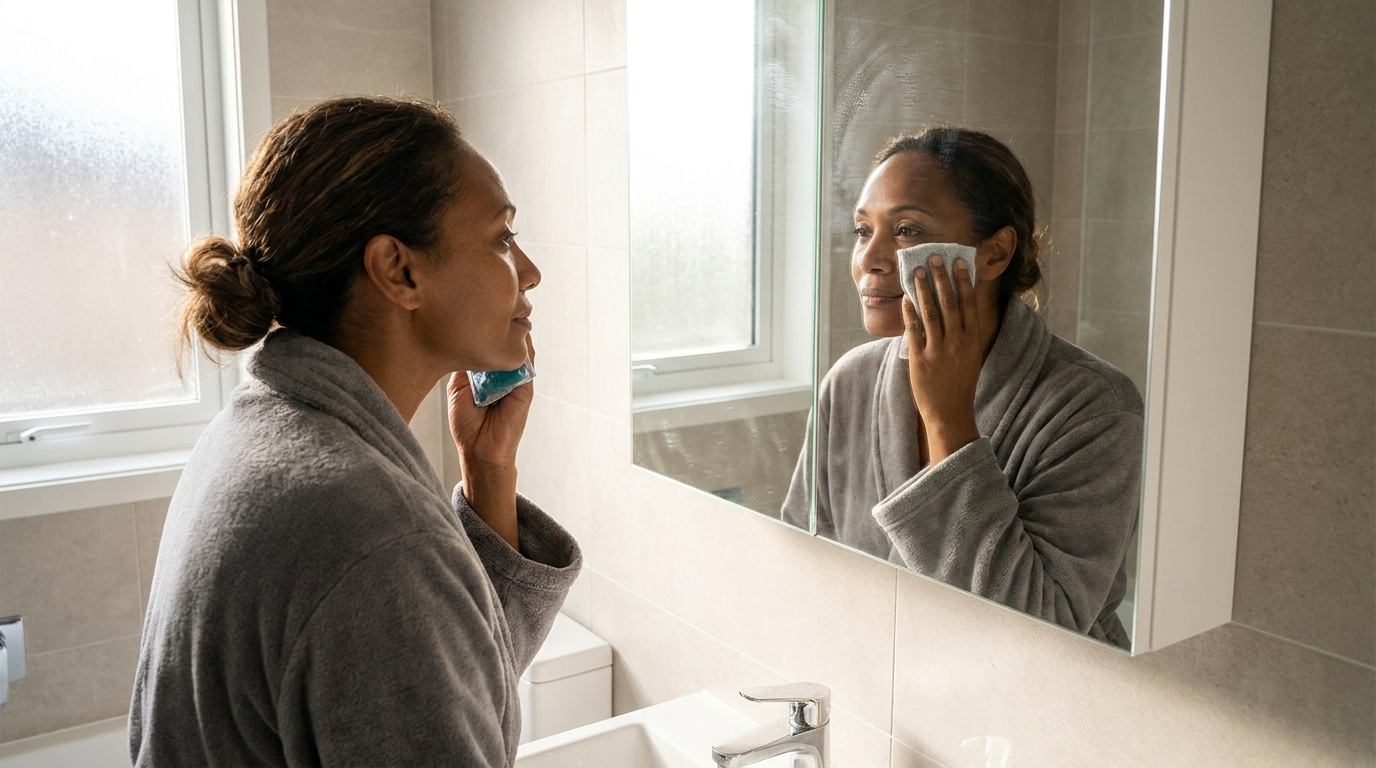
Afterward, expect some mild swelling and the possibility of a bruise or two, since the under-eye area bruises easily. Most swelling settles within a few days, and the filler integrates over about one to two weeks. That two-week mark is when you judge the result, not day two, when things can still look a touch full or uneven. The general aftercare rhythm mirrors other fillers: cool compresses, staying upright for a few hours, gentle skincare, and sun protection. Our day-by-day filler aftercare guide was written for lips, but the swelling-and-bruising timeline it lays out applies closely to under-eye work too.
| Time after treatment | What you may notice | What to focus on |
|---|---|---|
| First few hours | Mild tenderness, small marks, slight swelling | Gentle cold compress, stay upright, hands off |
| Days 1 to 3 | Swelling, possible small bruise, area may feel full | Sleep with head elevated, skip hard workouts and alcohol |
| Days 3 to 7 | Swelling eases, any bruise starts to fade | Ease back into routine, keep using sunscreen |
| Days 10 to 14 | Filler settles, the true result appears | Assess results, book a review if anything looks off |
Under-Eye Filler Safety and Risks
When it is done by a trained, qualified injector using licensed product, under-eye filler is considered a low-risk cosmetic treatment, but it is not risk-free, and this specific area carries a few concerns worth naming plainly. Common, temporary reactions include swelling, tenderness, small bruises, and brief lumpiness while the filler settles. These usually fade within a week or two.
The less common but more serious risks are the reason injector skill matters so much here. Overfilling can cause persistent puffiness. Product placed too superficially can create a bluish tint, the Tyndall effect. And the rare but serious concern with any facial filler is a vascular occlusion, where product affects a blood vessel. Near the eyes this is taken especially seriously. Reputable injectors are trained to prevent it, to recognize it, and to treat it quickly, which is one more reason this is not the place to shop on price alone. Health Canada regulates dermal fillers as medical devices and advises consulting a qualified health care provider and understanding the risks before any injectable cosmetic procedure, which you can read on the Health Canada drugs and medical devices page.
The safety net specific to hyaluronic acid filler is that it can be dissolved. If a result is lumpy, overfilled, or simply not what you wanted, an injector can use hyaluronidase to dissolve the filler. That reversibility is one clear advantage of HA fillers over permanent options, and it is a fair question to raise in your consultation.
How to Choose an Injector for Under-Eye Filler
Because the under-eye area is technical, the person you choose matters more than the clinic’s promotional pricing. A careful injector takes a full medical history, examines whether your concern is hollowing versus bags versus pigment, explains which product they would use and why, and talks about realistic outcomes rather than promising a magazine result. They should also make it easy to reach someone afterward if you have a concern.
A few markers of a clinic worth trusting: they are comfortable telling you filler is not right for you, they use licensed products and can name them, they have real experience specifically with tear troughs, and their consultations are unhurried. If you are comparing injectables generally, our look at the differences between Botox and fillers and the broader dermal filler pricing picture in Toronto can help you ask sharper questions. And if you are weighing filler against other rejuvenation routes, our guide to non-surgical anti-aging treatments gives useful context.
When you are ready, the most useful next step is a conversation with a qualified injector who can look at your under-eye area in person. You can book a cosmetic injectables consultation with Canada MedLaser to talk through your goals, your history, and an honest assessment of whether under-eye filler suits you, or whether something else would serve you better. A consultation does not commit you to treatment, and a good injector will tell you if a different path makes more sense.
Ways to Manage the Cost
If the number feels steep, a few practical points help. First, one well-placed syringe often does the job for the under-eye area, so the entry cost can be lower than the full-face figures people see online. Second, because results last most of a year, the yearly cost is more manageable than it looks at first glance. Third, building gradually across visits, rather than overfilling in one go, tends to look better and can spread the cost out. Many clinics also run seasonal promotions, though it is wise to choose your injector first and let any promotion be a bonus rather than the deciding factor. If lips are also on your radar, our breakdown of the cost of lip injections in Toronto puts filler budgeting in a wider frame, and our overview of popular dermal filler treatment areas shows how different zones are priced. If you would rather restore volume gradually with a collagen stimulator instead of gel, our guide to Sculptra cost in Toronto compares per-vial pricing and how much longer it tends to last.
Frequently Asked Questions
How much does under-eye filler cost in Toronto?
Under-eye filler in Toronto typically costs about $565 to $1,100 per syringe, with most single-area treatments totalling around $750 to $1,500. The final figure depends on the filler brand, how much product you need, and your injector’s experience, so an in-person quote is the only accurate one.
How many syringes do I need for under-eye filler?
Most people need one syringe for the under-eye area on its own. If your hollowing is deep, or if your injector treats the cheeks at the same time to support the midface, you may use more. A conservative plan sometimes uses less than a full syringe in the tear trough itself.
How long does under-eye filler last?
For most people, under-eye filler lasts about 9 to 12 months, and sometimes a little longer. General ranges quoted for the area run from six to eighteen months. Your metabolism, the product used, and placement all affect how long it holds.
Is under-eye filler worth it?
For people whose dark circles come from hollowing, it often is, because that tired look is hard to fix any other way and the result lasts most of a year. It is less worthwhile, and sometimes counterproductive, when the real issue is fatty eye bags or pigment. A consultation sorts out which applies to you.
Does under-eye filler hurt?
Discomfort is usually mild, often around a four out of ten. Numbing cream and lidocaine within the filler help, and many injectors use a blunt cannula under the eyes to reduce both pain and bruising. Most people describe pressure more than sharp pain.
How long is the recovery after under-eye filler?
Expect mild swelling and possibly a small bruise for a few days. Most visible swelling settles within a week, and the filler fully integrates over about one to two weeks, which is when you should judge the final result.
Can under-eye filler be dissolved?
Yes. Hyaluronic acid under-eye filler can be dissolved with an enzyme called hyaluronidase if you are unhappy, if it looks overfilled, or if it settles poorly. This reversibility is a major reason HA fillers are preferred over permanent options in this delicate area.
What is the difference between under-eye filler and tear trough filler?
They are essentially the same treatment. Tear trough is the anatomical name for the groove beneath the eye, so tear trough filler and under-eye filler both describe placing hyaluronic acid in that hollow to reduce shadow and hollowness.
Will under-eye filler get rid of my dark circles?
It helps most when the dark circle is a shadow caused by hollowing. It does not lighten pigment, and it will not remove fatty bags. If your circles are mainly pigment or puffiness, filler may disappoint, and a different approach could suit you better.
Can under-eye filler fix eye bags?
Not really, and sometimes it makes true fatty bags look worse. Filler addresses hollowing, not excess fat or skin. Prominent bags are often better assessed for other treatments or a surgical opinion rather than filler.
Why is under-eye filler more expensive at some clinics?
Higher pricing usually reflects more experienced injectors, premium products, careful dosing, and longer consultations. Lower pricing can mean less product or less experience. In an area this technical, paying for skill tends to be the better value over time.
What is the Tyndall effect?
It is a faint bluish tint that can appear when filler is placed too close to the surface under thin under-eye skin. It is correctable by dissolving the filler, and an experienced injector places product to avoid it in the first place.
Is under-eye filler safe?
It is considered low-risk when performed by a trained, qualified injector using licensed product, but it is not risk-free. The under-eye area carries specific concerns, including puffiness from overfilling and, rarely, vascular problems, which is why injector skill matters so much here.
How often do I need to repeat under-eye filler?
Most people return once results start to fade, generally around the 9 to 12 month mark. There is no fixed schedule. Some people top up sooner for a consistent look, and others wait longer.
Can I wear makeup after under-eye filler?
It is usually best to wait about 24 hours before applying makeup over the treated area, mainly to keep the tiny injection points clean while they close. Your injector will give you specific guidance based on how your treatment went.
Does insurance cover under-eye filler?
No. Under-eye filler is a cosmetic treatment, so it is not covered by provincial health plans or private insurance. Some clinics offer payment options, which is a fair thing to ask about during your consultation.
What are the alternatives to under-eye filler?
Depending on the cause, alternatives include targeted skincare and sunscreen for surface concerns, treatments aimed at pigment or skin quality, regenerative options like PRF treatment for crepey under-eye skin, and, for genuine fatty bags, a surgical consultation. The right alternative depends on what is actually causing your under-eye concern.
Expert Insight
The pattern experienced injectors mention most about the under eyes is restraint. This is not an area where more product means a better result. The best outcomes usually come from a modest amount, placed precisely, sometimes with a little cheek support doing part of the work. Patients who ask for a dramatic change in one visit are often the ones who end up needing a correction later.
The second recurring theme is honest candidacy. A skilled injector will turn people away from under-eye filler when the real problem is fatty bags or pigment, because forcing filler into the wrong situation is how you get puffiness and disappointment. The clinics worth trusting treat that conversation as part of the job, not a lost sale.
Under the eyes, the cheapest treatment is almost never the one that goes wrong, and the most expensive one is rarely the point. What you are really paying for is judgment, the injector’s sense of how little to use and when to say no.
Related Reading
- Under-eye filler treatment overview
- Cost of dermal fillers in Toronto
- Is under-eye filler right for you?
- Dark circles and how they are treated
- Filler aftercare, day by day
- Non-surgical anti-aging treatments
Conclusion
Under-eye filler in Toronto usually costs about $565 to $1,100 per syringe, with most people spending roughly $750 to $1,500 for the area and getting close to a year out of it. The price moves with how much product you need, the brand, and above all the skill of your injector. That last factor is where the real value sits, since the under-eye area rewards a careful hand and punishes a rushed one. If your dark circles come from hollowing, this treatment can really refresh a tired look, and if they come from something else, a good injector will tell you so.
The sensible next step is a consultation with a qualified injector who can examine your under-eye area, tell you honestly whether filler suits you, and give you an accurate quote for your face rather than a range from a blog. Your eyes, your anatomy, and your goals are specific to you, and a personalized assessment beats any general guide, this one included.
This article is general education and not a substitute for personalized medical advice. Candidacy, technique, pricing, and aftercare should be assessed by a qualified injector who knows your health history.
Trust our skin and laser guides? Add Canada MedLaser as a preferred source on Google.