Most lip filler swelling peaks within the first 24 to 48 hours, then eases noticeably over three to five days, with final results usually settling by about two weeks. Good lip filler aftercare keeps that process comfortable. Cold compresses, hydration, sleeping with your head slightly raised, and skipping heat and hard workouts for a day or two all help swelling and bruising fade while the hyaluronic acid settles into place.
Still comparing your options? See how lip and facial fillers differ from neuromodulators in our Botox vs filler guide.
Key Takeaways
- Swelling is normal and expected. It is usually worst on the morning after treatment, then improves over several days.
- Plan for roughly two weeks before you judge your final lip shape. Early lumps and slight asymmetry often even out on their own.
- Cold compresses, staying upright for a few hours, and gentle hydration are the most reliable ways to reduce swelling after lip filler.
- Avoid strenuous exercise, alcohol, saunas, and blood-thinning supplements for the first 24 to 48 hours to limit bruising.
- Most hyaluronic acid lip fillers can be adjusted or dissolved with hyaluronidase if you are unhappy, which is one reason they remain popular.
- Severe or one-sided pain, skin that turns white, grey, or dusky, or signs of infection are not normal. Contact your injector promptly.
- Aftercare guidance is general education. Your injector’s specific instructions always take priority because they know exactly what was used and where.
What Happens to Your Lips Right After Filler
Hyaluronic acid is the gel used in most modern lip fillers, and it does two things at once. It adds volume immediately, and it draws in a small amount of water, which is part of why lips can look bigger in the first few days than they will once everything calms down. On top of that, the needle or cannula creates tiny points of trauma, and your body responds the way it would to any minor injury, with a bit of inflammation.
So the puffiness you see on day one is a mix of the product itself, water retention, and normal swelling. It can look dramatic, especially first thing in the morning. That is not a sign something went wrong. It is just the early stage of healing, and it tends to look worse than it feels. If you want a sense of how the treatment itself works before reading about recovery, our overview of lip filler treatments in Toronto walks through the basics.
One quick note on expectations. People chasing a soft, balanced result usually recover in a way that feels easier to live with than those going for a very large change in one session. The current preference for natural, subtle lip enhancement tends to mean less product per visit, which often means less swelling too.
How Long Does Lip Filler Swelling Last?
For most people, meaningful lip filler swelling lasts three to five days, with the first 48 hours being the most noticeable. Minor puffiness or firmness can linger up to two weeks as the filler integrates. If you are heading into an event, booking treatment two to three weeks ahead gives you a comfortable buffer.
Swelling is not perfectly predictable, though, and that is worth saying plainly. Some people are barely puffy by day two. Others, particularly if they bruise easily or had more product placed, stay swollen closer to a week. Both can be completely normal. The pattern usually looks like this: tight and full on day one, often peak swelling on the morning of day two, then a steady decline.
Lip Filler Healing Timeline, Day by Day
The table below is a general guide. Your own timeline may run faster or slower, and that variation is expected rather than a problem.
| Time after treatment | What you may notice | What to focus on |
|---|---|---|
| First few hours | Tenderness, firmness, possible small injection marks | Cold compress, stay upright, avoid touching |
| Day 1 | Swelling builds, lips feel tight and full | Hydrate, gentle cold compress, skip exercise |
| Day 2 | Often peak swelling, sometimes bruising appears | Keep cool, sleep with head elevated, no alcohol |
| Days 3 to 5 | Swelling drops noticeably, bruises may darken then fade | Ease back into routine, keep lips moisturized |
| Days 5 to 7 | Most visible swelling gone, small lumps may remain | Light gentle massage only if your injector advised it |
| Days 10 to 14 | Filler settles, final shape becomes clear | Assess results, book any review with your injector |
When people search for how long lip filler swelling takes to go down, this is the honest answer: most of it clears within a week, and the rest resolves quietly over the second week. If firmness or a small bump is still there after two weeks, that is the point to check in rather than to panic.

How to Reduce Swelling After Lip Filler
You cannot switch swelling off, but you can nudge it to settle faster and stay more comfortable. The methods below are simple, and most of them cost nothing.
| Method | Why it helps | How to do it |
|---|---|---|
| Cold compress | Narrows small blood vessels, calms inflammation | Wrap an ice pack in a clean cloth, 10 minutes on and off, no direct ice |
| Stay upright | Reduces fluid pooling in the lips | Avoid lying flat for the first few hours after treatment |
| Sleep elevated | Limits overnight puffiness | Use an extra pillow for the first two nights |
| Hydration | Supports healing and skin comfort | Drink water steadily rather than relying on caffeine |
| Arnica | May help some people with bruising | Topical or oral arnica, only if your injector approves |
| Antihistamine | Can reduce histamine-driven puffiness for some | Only with guidance from your provider or pharmacist |
A lot of people ask whether an antihistamine will make swelling disappear overnight. It can take the edge off for some, since part of early swelling is histamine related, but it is not a magic switch, and it is not right for everyone. Clear it with your injector or pharmacist first rather than guessing. The same goes for arnica, which helps some people with bruising and does very little for others.
Bruising After Lip Filler: What to Expect
Bruising is common because lips are packed with tiny blood vessels, and a needle can nick one no matter how skilled the injector is. When it happens, a bruise usually shows up within a day or two, darkens, then fades through the familiar colour changes over roughly 7 to 14 days. Cannula techniques can lower the odds of bruising compared with a sharp needle, but nothing removes the risk entirely.
You can stack the odds in your favour. In the days before treatment, and only with your own doctor’s agreement, many people pause non-essential blood thinners such as fish oil, high-dose vitamin E, and alcohol. Never stop a prescribed medication like a blood thinner on your own for a cosmetic appointment. That decision belongs to the physician who prescribed it.
If a bruise does form and settles into a stubborn dark mark, give it time. Lingering discoloration after any injection can behave a little like other forms of post-inflammatory pigment change, and our guide to how discoloration and pigmentation behave may be useful if a spot is slow to clear. In most cases, though, a simple bruise resolves on its own.
What to Avoid After Lip Filler
The first 24 to 48 hours matter most. This is when heat, pressure, and blood flow can make swelling and bruising worse, so a short pause on a few habits pays off.
| Do | Avoid |
|---|---|
| Apply cool compresses gently | Applying firm pressure or ice directly to skin |
| Keep the area clean | Heavy makeup on the lips for the first day |
| Sip water and eat soft foods | Very hot drinks and salty or spicy meals early on |
| Rest and sleep slightly elevated | Strenuous exercise for 24 to 48 hours |
| Let your lips settle | Saunas, steam rooms, and hot yoga for a couple of days |
| Follow your injector’s plan | Alcohol for the first day or two |
People often ask about specifics, so here are the common ones. Exercise raises blood pressure and body heat, which can worsen swelling and bruising, so most injectors suggest waiting a day or two before returning to the gym. Kissing and any firm pressure on the lips are best avoided for the first day or so while the product is settling. Flying is generally fine, though the pressure changes and dry cabin air can make lips feel a little more swollen, so it is not the most comfortable choice for the same day.
When Will You See Your Final Lip Filler Results?
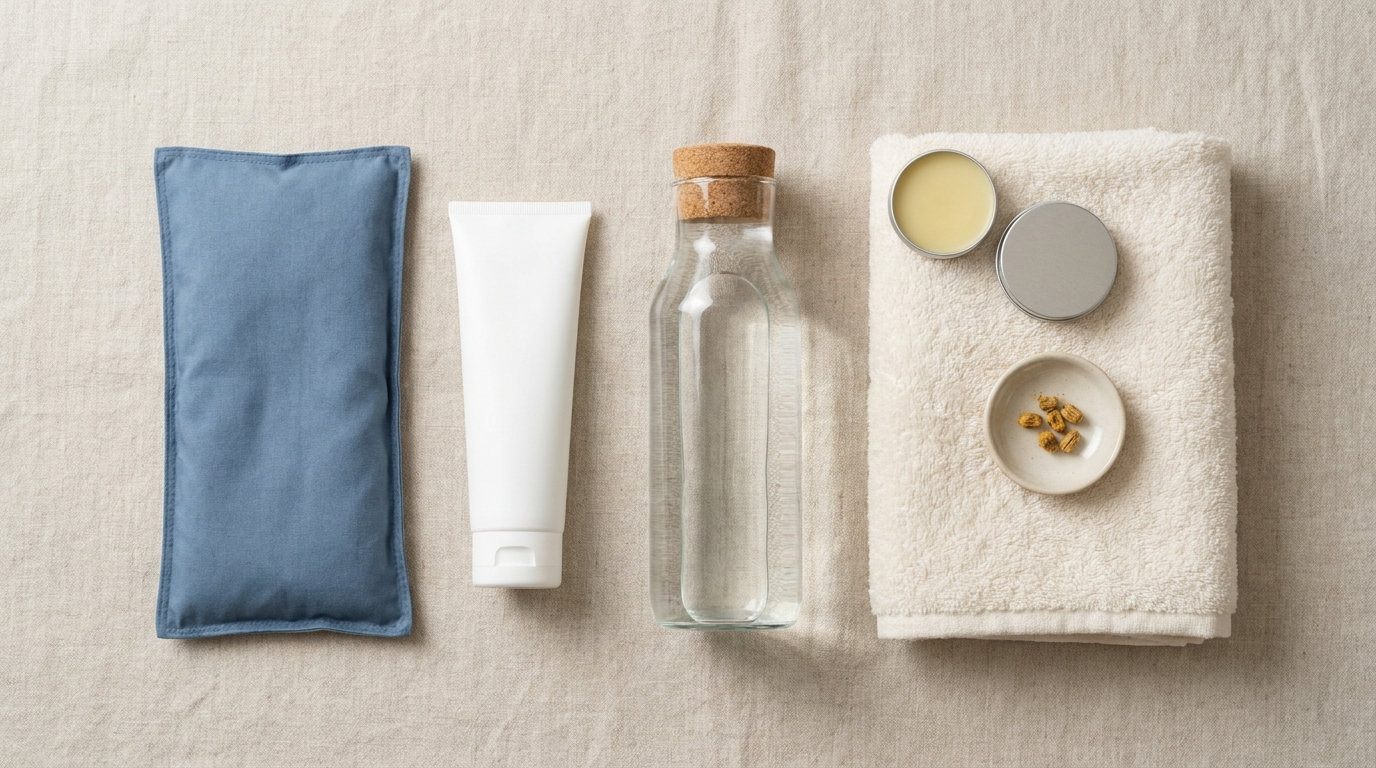
Give it two weeks. In the first few days your lips are carrying extra swelling and water, so they look fuller than the true result. As that settles, the shape refines and softens. By around day 14 the hyaluronic acid has integrated and you are seeing what you actually paid for.
This is also why chasing a touch-up too early is a common mistake. If you add more product on day three because your lips do not look full enough, you may be reacting to swelling that was about to fade, then end up overfilled. A steady approach, sometimes called building gradually across visits, tends to age better and looks more like the subtle enhancement many people compare against a lip flip. If you are still deciding between options or budgeting, our breakdown of the cost of lip injections in Toronto puts the numbers in context.
Normal Reactions Versus Warning Signs
Almost everything in early recovery is normal. A small number of symptoms are not, and knowing the difference is the most important part of aftercare. The most serious concern with any filler is a vascular occlusion, where product affects a blood vessel. It is uncommon, but it needs fast attention, which is why you should never treat severe symptoms as ordinary swelling.
| Usually normal | Contact your injector or seek care |
|---|---|
| Swelling that peaks around day two then improves | Swelling that keeps worsening after several days |
| Mild tenderness and small bruises | Severe, throbbing, or one-sided pain |
| Temporary firmness or tiny lumps | Skin turning white, grey, mottled, or dusky |
| Slight asymmetry in the first week | Blistering, spreading redness, or heat with fever |
| Dry or flaky lips as they heal | Vision changes, which need emergency care immediately |
To be clear, this section is not meant to frighten anyone. Serious complications are rare when treatment is done by a trained, qualified injector using licensed product. Health Canada notes that dermal fillers are regulated medical devices and advises consulting a qualified health care provider and understanding the risks before any injectable cosmetic procedure, which you can read on the Health Canada medical procedures page. For a plain-language rundown of filler risks and questions to ask, the U.S. FDA consumer guidance on dermal fillers is a useful reference, presented here as United States information rather than Canadian authorization.
Lumps, Migration, and When to Worry
Feeling small lumps in the first week is extremely common. The lips have just been through a lot, and a mix of swelling and settling product can feel bumpy from the inside even when the outside looks smooth. Most of these soften on their own. Some injectors recommend very gentle massage after a few days, but only do this if you were specifically told to, because pressing on fresh filler without guidance can move it.
Filler migration is a different thing from swelling, and the two get confused online. Migration means product has moved beyond where it was placed, often showing as a defined ridge above the lip line that persists well past the swelling phase. Swelling is diffuse and fades. A firm border that is still there at three or four weeks is worth a review. Hyaluronic acid fillers can be dissolved with hyaluronidase if needed, which is a reassuring safety net that permanent options do not offer.
Aftercare for Bruising, Events, and Everyday Life
If you have a big event, timing is everything. Two to three weeks of runway lets swelling clear and gives you a window to correct anything that needs a tweak. Booking lip filler two days before a wedding is a gamble, and it is one aesthetic clinicians quietly wish more people would avoid.
For daily life, keep it simple. Lip balm helps with the dryness that sometimes comes as lips heal. Sleep on your back for the first couple of nights if you can. Ease off the straws and very hot coffee for a day, mostly for comfort. And resist the urge to keep prodding your lips to check them, which is harder than it sounds. Recovery for lips tends to be gentler than for many other injectables, and it is generally more predictable than the settling period after larger dermal filler treatments in areas like the cheeks. If your concern is the eye area specifically, our guide to under-eye filler cost in Toronto covers prices and what to expect for the tear trough.
Choosing the Right Injector Matters for Recovery
Aftercare starts before the needle does. A skilled, experienced injector places product accurately, uses appropriate technique, and gives you a clear plan for the days that follow, all of which reduce your odds of significant bruising or an uneven result. This is not the place to shop purely on price.
A few markers of a careful clinic: they take a full medical history, they explain what product they are using and why, they discuss realistic outcomes rather than promising a specific look, and they make it easy to reach someone if you have a concern afterward. If you are comparing injectables generally, our look at what to expect from dermal fillers and the differences between Botox and Dysport can help you ask better questions. And if you are weighing filler against other rejuvenation routes, our guide to non-surgical anti-aging options offers wider context.
When you are ready, the most useful next step is a conversation with a qualified injector. You can book a consultation with the team at Canada MedLaser to talk through your goals, your medical history, and a realistic recovery plan for your situation. A consultation does not commit you to treatment, and a good injector will tell you if a different approach suits you better. If you already have Botox on your radar too, our note on how long Botox results last pairs well with filler planning.
Frequently Asked Questions
How long does lip filler swelling last?
Most swelling lasts three to five days, with the first 48 hours being the most noticeable. Minor puffiness or firmness can linger up to about two weeks while the hyaluronic acid settles and integrates with your tissue.
When is lip filler swelling at its worst?
Swelling is usually worst on the morning after treatment, around 12 to 24 hours in. That is why day two often looks more dramatic than the day you were treated. From there it typically declines steadily.
When does lip filler swelling go down?
The bulk of visible swelling settles within five to seven days. Small lumps or slight fullness can take up to two weeks to fully resolve, which is the point at which you can judge your final shape.
Can antihistamines reduce lip filler swelling?
For some people, yes, since part of early swelling is histamine driven. It is not guaranteed to work for everyone and is not right for every person, so check with your injector or pharmacist before taking one.
How can I reduce swelling after lip filler overnight?
Use a wrapped cold compress in the evening, sleep with your head slightly elevated on an extra pillow, stay hydrated, and avoid alcohol, salty food, and heat. These steps help but will not eliminate swelling completely.
When should I worry about lip filler swelling?
Be concerned if swelling keeps worsening after several days, if you have severe or one-sided pain, if the skin turns white, grey, or dusky, or if you notice spreading redness, blistering, or fever. Contact your injector promptly, and seek emergency care for any vision changes.
How long does bruising last after lip filler?
Bruising typically appears within a day or two and fades over roughly 7 to 14 days as it changes colour. Gentle care, arnica for some people, and avoiding blood thinners beforehand can help.
Can I kiss after lip filler, and when?
It is best to avoid kissing and firm pressure on the lips for at least the first 24 hours while the filler is settling. Many injectors suggest waiting a little longer if you can, especially if you bruised.
When can I exercise after lip filler?
Most injectors recommend waiting 24 to 48 hours. Exercise raises blood pressure and body heat, which can increase swelling and bruising in the early window. Light walking is usually fine sooner.
Can I drink alcohol after lip filler?
Alcohol thins the blood and can worsen swelling and bruising, so it is best avoided for the first 24 to 48 hours. Waiting also tends to make the whole recovery feel more comfortable.
Can I sleep on my side after lip filler?
Sleeping on your back with your head slightly elevated is ideal for the first couple of nights, since it reduces pressure and overnight puffiness. Side or face-down sleeping is not dangerous, just less ideal early on.
When can I wear lipstick or makeup after lip filler?
Give the lips about 24 hours before applying lipstick or heavier makeup, mainly to keep the area clean while any tiny injection points close. Plain lip balm for dryness is usually fine sooner.
Is it normal to feel lumps after lip filler?
Yes. Small lumps in the first week are very common as swelling and product settle. Most soften on their own. Only massage if your injector specifically advised it, and have any firm lump that persists past two weeks reviewed.
How is filler migration different from swelling?
Swelling is diffuse and fades within days to about two weeks. Migration is product that has moved beyond where it was placed, often a defined ridge that stays put well past the swelling phase. Persistent, defined edges are worth a check.
When will I see my final lip filler results?
Around two weeks after treatment. Before that, extra swelling and water make your lips look fuller than the true result, so it is best not to judge the shape or request touch-ups too early.
Can I fly after lip filler?
Flying is generally safe, but cabin pressure changes and dry air can make lips feel a little more swollen. If you can, avoid flying the same day simply for comfort.
Can lip filler be dissolved if I do not like it?
Hyaluronic acid lip fillers can usually be adjusted or dissolved with an enzyme called hyaluronidase. This is one reason they are widely used, since the result is more reversible than permanent options.
Expert Insight
The pattern experienced injectors mention most often is impatience. People look in the mirror on day two, see swelling, and assume the result is wrong. Almost always, it is not. The lips are simply mid-recovery. The clients who end up happiest are usually the ones who were told what to expect, followed a simple aftercare plan, and waited the full two weeks before forming an opinion.
The second recurring theme is honesty about medications. Aftercare works best when your injector knows your full history, including supplements and anything that affects bleeding or healing. Aesthetic goals sit on top of your actual health, not beside it, and the best outcomes come from treating them together.
Lip filler recovery is less about doing something clever and more about doing less for a couple of days. Keep it cool, keep it clean, keep your hands off, and let the product settle.
Related Reading
- Lip fillers in Toronto
- Cost of lip injections in Toronto
- Lip filler versus a lip flip
- The natural, subtle lip filler trend
- What to expect from dermal fillers
Conclusion
Lip filler aftercare is mostly about patience and a few small habits. Expect swelling to peak in the first day or two, cool and hydrate your way through the first 48 hours, avoid heat, hard workouts, and alcohol early on, and give your lips a full two weeks before judging the result. Keep an eye out for the rare warning signs, and reach out to your injector if anything feels off rather than waiting it out.
If you are considering treatment or want a recovery plan tailored to you, booking a consultation with a qualified injector is the best next step. Your lips, your history, and your goals are unique, and a personalized assessment beats any general guide, including this one.
This article is general education and not a substitute for personalized medical advice. Candidacy, technique, and aftercare should be assessed by a qualified injector who knows your health history.
Trust our skin and laser guides? Add Canada MedLaser as a preferred source on Google.