
Dissolving filler means using hyaluronidase, an injectable enzyme that breaks down hyaluronic acid, to reduce or remove a hyaluronic acid filler, and most people see a visible change within 24 to 48 hours, often after a single 10 to 15 minute appointment. A typical case is a small amount of enzyme placed into the exact spots where filler was put, with the softening starting within minutes and settling over the next day or two. How much changes, and how quickly, depends on how much filler is there, the area treated, and how dense or stubborn the product is, so a larger correction sometimes needs a second visit.
New to injectables? Start with our overview of the key differences between Botox and filler.
Dissolving Filler at a Glance
- Enzyme used: hyaluronidase, a prescription medicine that only breaks down hyaluronic acid filler.
- Appointment length: about 10 to 15 minutes for a small area, longer for a full-face correction.
- First visible change: often within 24 to 48 hours, sometimes within hours.
- Sessions needed: usually one, though dense or heavily layered filler can take two or more.
- Wait before refilling: most injectors suggest about two weeks so swelling settles and the enzyme clears.
- Works on: hyaluronic acid fillers such as Juvéderm and Restylane. It does not dissolve Sculptra, Radiesse, or permanent fillers.
- Who should do it: a qualified medical injector, because hyaluronidase is a prescription drug and allergic reactions, while uncommon, are possible.
Key Terms, Defined
- Hyaluronic acid (HA) filler: a soft gel, chemically similar to a sugar your body already makes, used to add volume or smooth lines.
- Hyaluronidase: the enzyme that cuts hyaluronic acid apart, so it is the reversal tool for HA filler.
- Filler migration: product that has drifted from where it was placed, often seen as a ridge or puffiness beyond the original area.
- Tyndall effect: a bluish tint that can appear when HA filler sits too shallow, most often under the eyes.
- Vascular occlusion: a rare, urgent complication where filler blocks a blood vessel, treated quickly with hyaluronidase.
Everyone dissolves a little differently. The same dose can clear one person’s lips in a day and take longer on someone with more product or a firmer, more cohesive filler, and that variation is normal rather than a sign something went wrong. One caution worth stating up front: dissolving is a medical procedure, not a beauty step to do at home, and it belongs with a qualified injector who can confirm the filler is hyaluronic acid, check your history, and manage the small chance of an allergic reaction.
Key Takeaways
- Dissolving filler works only on hyaluronic acid products. Hyaluronidase breaks down HA, so it cannot reverse Sculptra, Radiesse, or permanent fillers.
- Most people notice a change within 24 to 48 hours of the injection, and one appointment is often enough for a small area.
- Common reasons to dissolve include overfilling, lumps, filler migration, a bluish Tyndall tint under the eyes, and, urgently, a suspected vascular occlusion.
- The enzyme also breaks down a small amount of your own natural hyaluronic acid, but your body replaces that within days.
- Allergic reactions are uncommon but possible, which is why a qualified medical injector, an allergy history check, and sometimes a skin test matter.
- There is no proven way to safely dissolve filler at home. Massage, heat, and supplements do not reliably break down HA and can move it.
- Most injectors ask you to wait about two weeks after dissolving before placing new filler, so tissue settles and the enzyme clears.
- This is general education. Your own injector’s assessment and instructions take priority because they know exactly what was used and where.
What Is Dissolving Filler?
Dissolving filler is a corrective procedure where a small amount of hyaluronidase is injected into an area that was previously treated with hyaluronic acid filler. The enzyme breaks the HA gel into fragments your body then clears on its own, so the added volume shrinks and, in most cases, disappears. It is the reason HA fillers are often described as forgiving. If you dislike the result, if the product moves, or if something goes wrong, there is a way back that permanent fillers simply do not have.
Most modern facial fillers in Canada are hyaluronic acid based, which is exactly why this reversal option exists. If you want a sense of the treatments this reverses, our overview of hyaluronic acid dermal filler treatments walks through how HA fillers add volume in the first place. Dissolving is the other side of that coin, and a good injector talks about both before you ever start.
It helps to be clear about what dissolving is not. It is not a way to remove every kind of filler, and it is not an at-home fix. Hyaluronidase is a prescription medicine here in Canada, so it should be handled by a trained medical professional who can confirm the filler type, review your allergy history, and be ready for the small chance of a reaction.
How Does Hyaluronidase Dissolve Filler?
Hyaluronidase works by cutting the long chains of hyaluronic acid into smaller pieces. Once the gel is broken up, your lymphatic system carries the fragments away over hours to a couple of days, and the volume goes down with them. The enzyme starts acting quickly, often within minutes, though the visible change tends to catch up over the following day or two.
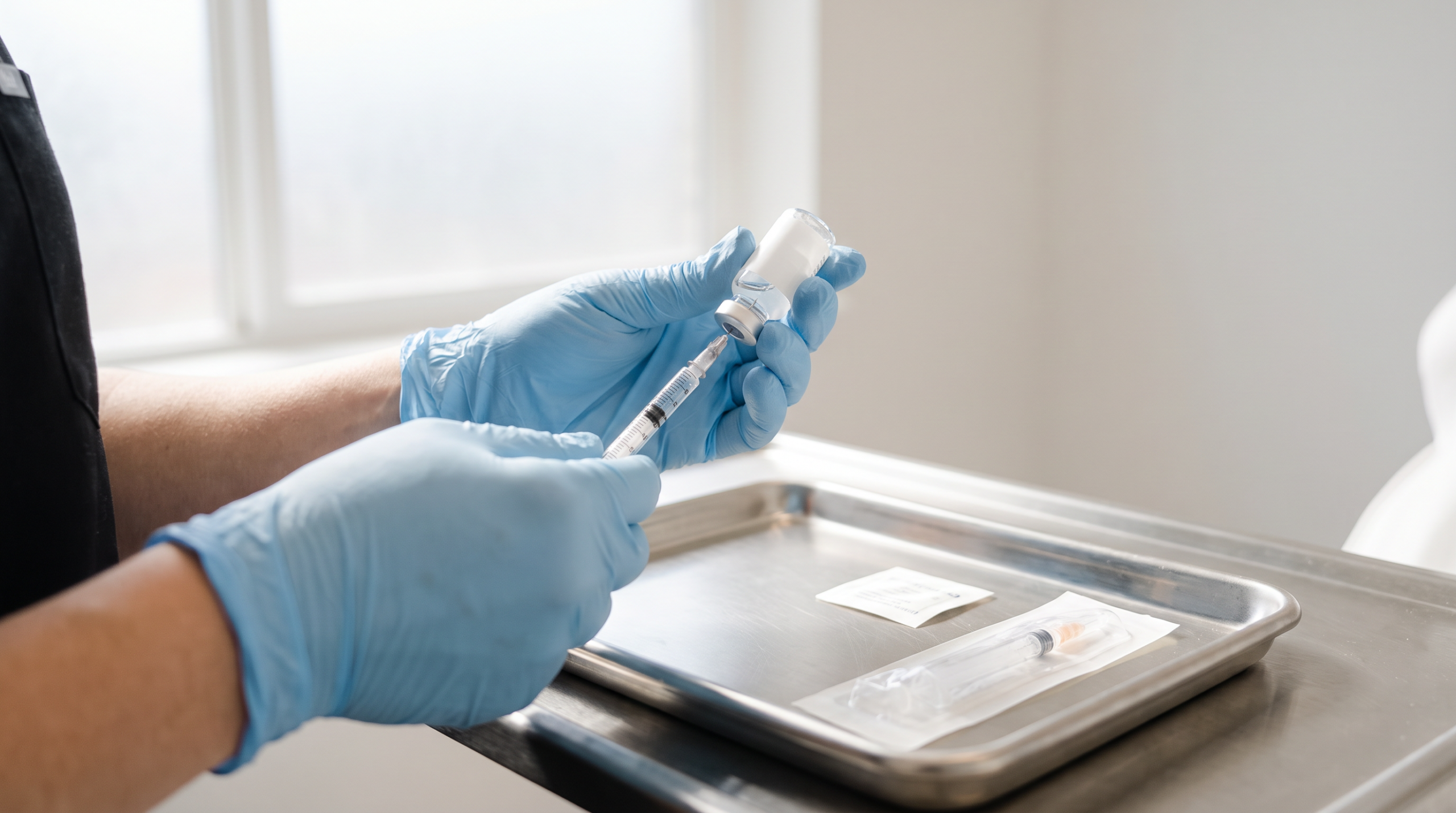
The appointment itself is usually short and follows a familiar pattern. Your injector confirms the filler is HA, reviews your medical and allergy history, cleans the area, and sometimes applies a little numbing cream. A fine needle or cannula then places the enzyme right into the deposits of filler. Because dosing is judged by the injector, a subtle correction uses less product than a full reversal, and that is part of why experience matters here.
The Dissolving Process, Step by Step
The table below is a general guide. Your own timing may run faster or slower depending on the filler and the amount placed.
| Stage | What happens | Typical timing |
|---|---|---|
| Consultation and history | Injector confirms HA filler, checks allergies, discusses goals | Same visit, a few minutes |
| Optional patch or skin test | Some clinics test first, especially with a bee-sting or venom allergy | Sometimes 20 to 30 minutes before treatment |
| Numbing (optional) | Topical cream applied for comfort | 10 to 15 minutes if used |
| Injection of hyaluronidase | Enzyme placed into the filler deposits | 5 to 15 minutes |
| Initial breakdown | Gel starts fragmenting, area may swell briefly | Minutes to a few hours |
| Visible change | Volume drops, shape softens | 24 to 48 hours |
| Review and possible repeat | Injector checks the result, treats again if needed | About two weeks later |
One detail people find reassuring: the enzyme is not permanent. It does its job and then clears from your system within a day or so, which is also why any new filler is usually delayed until it is fully gone.

Which Fillers Can and Cannot Be Dissolved?
This is the single most important thing to understand before booking. Hyaluronidase only dissolves hyaluronic acid. If your filler was a different material, the enzyme will not touch it, and pretending otherwise wastes money and can create false hope. So the honest first question at any dissolving consult is a simple one: what exactly was injected, and when?
| Filler type | Examples | Can hyaluronidase dissolve it? |
|---|---|---|
| Hyaluronic acid (HA) | Juvéderm, Restylane, Teosyal, Belotero | Yes, this is what the enzyme is for |
| Poly-L-lactic acid (PLLA) | Sculptra | No, it stimulates your own collagen and is not HA |
| Calcium hydroxylapatite (CaHA) | Radiesse | No, not reversible with hyaluronidase |
| Permanent or semi-permanent | Silicone, PMMA microspheres | No, these are not dissolvable and can be difficult to remove |
This is one reason a lot of injectors favour HA for most facial work, and why biostimulators like Sculptra are chosen deliberately, with the understanding that they behave differently. If you are curious how a collagen stimulator differs from an HA filler, our guide to Sculptra and how it works explains why that product is not something hyaluronidase can undo. When you are unsure what you had placed, a good injector would rather investigate than guess.
Why Do People Choose to Dissolve Filler?
The reasons split roughly into two groups: the everyday cosmetic ones, and the medical ones that need attention. Both are valid, and neither should feel embarrassing to raise.
On the cosmetic side, the most common trigger is simply not loving the result. Maybe the lips ended up fuller than you wanted, or one side looks heavier than the other, or the filler has spread past the lip border into that slightly puffy look people describe as migration. Lumps and bumps that do not settle after a few weeks are another frequent reason, as is a bluish shadow under the eyes, the Tyndall effect, which happens when HA sits a little too close to the surface.
Then there are the medical reasons. Occasionally filler contributes to a nodule or a low-grade inflammatory reaction, and dissolving is part of managing that. The most urgent scenario is a vascular occlusion, where filler presses on or blocks a blood vessel. It is rare, but it is a true emergency, and the treatment is prompt, higher-dose hyaluronidase. This is a major reason cosmetic injections belong with trained professionals who keep the enzyme on hand and know how to use it quickly. If you want context on how filler is meant to sit and settle in a delicate area, our guide to under-eye filler and what to expect covers why the tear trough is treated so cautiously in the first place.
How Long Does It Take for Filler to Dissolve?
With hyaluronidase, most of the change shows up within 24 to 48 hours, and many people are close to their final result within a few days. Without the enzyme, hyaluronic acid filler still breaks down on its own, just slowly, usually over about 6 to 18 months depending on the product and the area. Our guide to how long filler lasts breaks longevity down by filler type and face area. That natural timeline is why people who are only mildly unhappy sometimes decide to wait it out rather than dissolve.
| Route | How it works | Typical timeframe |
|---|---|---|
| Hyaluronidase injection | Enzyme actively breaks down the HA | Visible change in 24 to 48 hours |
| Natural breakdown | Your body clears the filler over time | About 6 to 18 months |
| Dense or layered filler | May need repeat enzyme sessions | Spread over two or more visits, about two weeks apart |
Area matters too. Mobile, well-supplied spots like the lips often respond faster than firmer, more structural areas. And the type of HA counts. Thicker, more cross-linked gels made for deep structure can be more stubborn than the soft gels used for fine lines, so the same dose does not behave identically everywhere.
Does Dissolving Filler Hurt, and What Should You Expect?
Most people describe dissolving as similar to getting filler in the first place, so a series of small pinches rather than anything dramatic. Numbing cream takes the edge off for those who want it. The area can sting briefly as the enzyme goes in, and it is common to swell for a few hours afterward, sometimes more than you expect, because the breakdown itself stirs up a little inflammation.
What tends to surprise people is how quickly the volume falls. Lips especially can look deflated within a day, which is the point, though it can feel startling if you were used to the fuller look. That deflation is normal, and the area usually looks more natural again once any dissolving-related swelling settles over the following days. The care afterward has a lot in common with standard lip filler aftercare, so cool compresses and a calm couple of days go a long way.
Dissolving Filler Aftercare and Recovery
Recovery is usually short and uneventful. The main job is to keep swelling comfortable and let the area settle before you judge the outcome. The habits below are simple, and most cost nothing.
| Do | Avoid |
|---|---|
| Use a wrapped cold compress for comfort | Pressing, poking, or massaging unless told to |
| Stay hydrated and rest | Strenuous exercise for a day or two |
| Sleep with your head slightly elevated the first night | Alcohol for the first 24 hours |
| Keep the area clean | Saunas, steam rooms, and intense heat early on |
| Give it about two weeks before deciding on next steps | Rushing straight into new filler |
Mild swelling, tenderness, and small bruises are expected and usually fade within a few days to a week. What is not routine is spreading redness, worsening pain, warmth with fever, hives or difficulty breathing, or any sign of an allergic reaction. Those warrant prompt contact with your injector or urgent care. The reassuring part is that serious problems are uncommon when a trained professional does the treatment.
Can You Dissolve Filler Naturally at Home?
This one comes up constantly, and the plain answer is that there is no proven, safe way to dissolve hyaluronic acid filler at home. Hyaluronidase is the only reliable tool for speeding it up, and it is a prescription medicine given by injection, not something you can buy and apply yourself. Time is the only true natural route, and time is slow.
You will see advice online about vigorous massage, heat, hyaluronic-acid-lowering supplements, or vitamin C to break filler down faster. I would treat all of that with caution. Aggressive massage can push product around and actually cause migration, which is the opposite of what most people want, and none of these methods has good evidence behind it. If a lump or a result is bothering you enough to try home remedies, that is a signal to book a review with a qualified injector instead. It is faster, safer, and far more predictable.
Risks and Side Effects of Dissolving Filler
Dissolving is generally considered low risk when it is done properly, but low risk is not the same as no risk, and it would not be fair to pretend otherwise. The most talked-about concern is an allergic reaction to hyaluronidase. It is uncommon, yet because the enzyme is derived from animal sources, some clinics do a small skin test first, particularly for anyone with a history of bee or wasp sting allergy. Serious reactions such as anaphylaxis are rare but are the reason this belongs in medical hands.
Beyond that, the usual suspects are temporary: swelling, redness, bruising, and tenderness. There is also the possibility of removing a bit more volume than intended, since hyaluronidase does not neatly separate filler from the small amount of natural HA in your tissue. That over-dissolving is temporary, because your body replenishes its own hyaluronic acid within days, but it can leave an area looking briefly flatter than you hoped. Choosing an experienced injector who doses conservatively is the best way to keep that in check.
How Much Does Dissolving Filler Cost?
Pricing varies by clinic, by how much enzyme is needed, and by how many areas are involved, so treat the figures below as general GTA planning ranges rather than a quote. A small, single-area correction usually sits at the lower end, while a full-face reversal that needs more product or a second session costs more. Many clinics, including ours, offer a complimentary consultation, and that is the right place to get a number for your specific situation.
| Scenario | Typical GTA planning range | Notes |
|---|---|---|
| Small single area, one session | About $150 to $350 | For example a lip touch-up or a small lump |
| Larger or multiple areas | About $350 to $600 or more | May be quoted per area or per session |
| Repeat session if needed | Additional session fee | Dense filler sometimes needs a second visit |
Worth noting: cosmetic dissolving is elective, so it is not covered by provincial health plans. If you are weighing the overall cost of filler treatment and its potential reversal together, our breakdown of the cost of dermal fillers in Toronto puts the wider picture in context, and our guide to lip injection prices is useful if lips are your main concern.
When Can You Get New Filler After Dissolving?
Most injectors recommend waiting about two weeks before placing fresh filler. There are two reasons. First, the area needs time for swelling to settle so your injector can see the true baseline. Second, any leftover hyaluronidase in the tissue could start breaking down the new filler if you go too soon, which wastes product. A short pause protects the result.
If you dissolved because you wanted a different look rather than because of a problem, that two-week window is actually a useful reset. It lets you see your natural features again, think about what you genuinely want, and go back in with a clearer plan. Plenty of people find they prefer a subtler amount the second time around, which lines up with the shift toward more natural, restrained enhancement that many injectors now favour.

Choosing a Qualified Injector for Dissolving
Because hyaluronidase is a prescription medicine and allergic reactions are possible, this is not a treatment to shop for on price alone. A careful clinic takes a full medical and allergy history, confirms the filler you had was hyaluronic acid, keeps the enzyme stocked for emergencies like vascular occlusion, and explains realistic outcomes rather than promising perfection. Those are the markers worth looking for.
Health Canada regulates dermal fillers as medical devices and advises seeing a qualified health care provider and understanding the risks before any injectable cosmetic procedure, which you can read on the Health Canada medical procedures page. For a plain-language explanation of how dissolving works, the Cleveland Clinic overview of dissolving filler is a helpful reference, shared here as United States information rather than Canadian authorization.
When you are ready, the most useful next step is a conversation. You can book a cosmetic injection consultation with the team at Canada MedLaser to review what was placed, talk through why you want it dissolved, and map out a realistic plan. A consultation does not commit you to treatment, and a good injector will tell you honestly if waiting, a small adjustment, or dissolving is the better route for you.
Frequently Asked Questions
What is dissolving filler?
Dissolving filler is a corrective procedure in which hyaluronidase, an enzyme, is injected into an area treated with hyaluronic acid filler. It breaks the HA gel into fragments your body clears, so the added volume shrinks and usually disappears.
How does hyaluronidase dissolve filler?
Hyaluronidase cuts the long hyaluronic acid chains into smaller pieces. Your lymphatic system then carries those fragments away over hours to a couple of days, which reduces the filler volume in the treated area.
How long does it take for filler to dissolve?
With hyaluronidase, most people see a visible change within 24 to 48 hours, and often reach the final result within a few days. Without the enzyme, HA filler breaks down naturally over roughly 6 to 18 months.
Does dissolving filler hurt?
It feels similar to getting filler, so small pinches and a brief sting as the enzyme goes in. Numbing cream helps, and short-lived swelling afterward is common. Most people find it very manageable.
Which fillers cannot be dissolved?
Hyaluronidase only works on hyaluronic acid fillers such as Juvéderm and Restylane. It cannot dissolve Sculptra (poly-L-lactic acid), Radiesse (calcium hydroxylapatite), or permanent fillers like silicone.
Can you dissolve filler naturally at home?
There is no proven, safe way to dissolve HA filler at home. Massage, heat, and supplements do not reliably break it down and can move the product. Time is the only natural route, and it is slow.
What helps filler dissolve faster?
The only reliable way to speed up dissolving is a hyaluronidase injection from a qualified injector. Home methods do not reliably work and can cause migration, so they are not recommended.
Does dissolving filler really work?
Yes, for hyaluronic acid fillers. Hyaluronidase is well established for breaking down HA, and it is also the emergency treatment for a suspected vascular occlusion. It does not work on non-HA fillers.
How painful is it to dissolve filler?
Most people rate it as mild, comparable to the original filler injections. Discomfort is brief, numbing cream is available, and any soreness usually eases within a day.
Will my face go back to normal after dissolving filler?
In most cases, yes. Once the filler is broken down and any dissolving-related swelling settles, the area typically returns to how it looked before the filler was placed. The enzyme also clears your own natural HA briefly, but your body replaces that within days.
Where does filler go after it dissolves?
The enzyme breaks the hyaluronic acid into small fragments, and your lymphatic system carries them away to be processed and cleared by the body, the same way it handles filler that breaks down naturally over time.
Does filler ever fully dissolve on its own?
Hyaluronic acid filler does break down naturally over about 6 to 18 months, though the exact timing varies by product and area. Non-HA and permanent fillers behave differently and may not fully clear on their own.
Is dissolving filler safe?
It is generally considered low risk when performed by a qualified medical injector, though it is not risk free. The main concern is an uncommon allergic reaction to hyaluronidase, which is why an allergy history check and sometimes a skin test are used.
Can dissolving filler cause an allergic reaction?
Rarely, yes. Hyaluronidase comes from animal sources, so reactions are possible, and serious ones such as anaphylaxis are rare. Clinics may perform a skin test first, especially for people with bee or wasp sting allergies.
Can filler migration be corrected by dissolving?
Yes. If hyaluronic acid filler has drifted beyond where it was placed, hyaluronidase can break it down so the area can be reset, and any new filler placed later after a short waiting period.
How soon can I get new filler after dissolving?
Most injectors recommend waiting about two weeks. This lets swelling settle so your true baseline is visible, and it ensures leftover enzyme will not break down the new filler.
Can under-eye filler be dissolved?
Yes, if it is hyaluronic acid, and the under-eye area is one of the most common places people ask to dissolve because a bluish Tyndall tint or puffiness can appear there. It is delicate work and belongs with an experienced injector.
How much does dissolving filler cost in the GTA?
A small single-area correction commonly runs about $150 to $350, while larger or multiple areas can reach $350 to $600 or more. These are general planning ranges, not a quote, and cosmetic dissolving is not covered by provincial health plans.
Expert Insight
The thing experienced injectors mention most is that dissolving is often the calm, reversible safety net that makes hyaluronic acid filler such a sensible choice in the first place. People worry that wanting to dissolve means something failed. Usually it just means preferences changed, or a small correction is warranted, and both are ordinary parts of working with a temporary product.
The second point they raise is patience after the fact. The instinct to refill immediately is strong, especially when lips look deflated on day one, but rushing back in before the area settles is how people end up chasing swelling and overcorrecting. A short wait almost always gives a better, more natural outcome.
Dissolving is not a failure of filler. It is the reason hyaluronic acid filler is forgiving in the first place, and using it well is a sign of a careful injector, not a careless one.
Related Reading
- Hyaluronic acid dermal filler treatments
- Lip filler aftercare, day by day
- Under-eye filler cost and what to expect
- The cost of dermal fillers in Toronto
- How Sculptra differs from HA filler
Conclusion
Dissolving filler is a well-established, reversible option for hyaluronic acid products, done by injecting hyaluronidase and usually showing a change within a day or two. It is the right tool for overfilling, lumps, migration, a Tyndall tint, or a suspected vascular occlusion, and it is not the tool for Sculptra, Radiesse, or permanent fillers. Expect a short appointment, mild and temporary swelling, and a two-week pause before any new filler.
Because hyaluronidase is a prescription medicine and reactions are possible, the safest path is a qualified medical injector rather than a home remedy. If a result is bothering you or you simply want to start fresh, booking a consultation is the most useful next step, and a good injector will help you decide whether to wait, adjust, or dissolve.
This article is general education and not a substitute for personalized medical advice. Whether dissolving is appropriate, and how it is performed, should be assessed by a qualified injector who knows your health history and can confirm the filler you received.
Trust our skin and laser guides? Add Canada MedLaser as a preferred source on Google.