PRF treatment, short for platelet-rich fibrin, is a regenerative procedure that uses a small sample of your own blood, spun gently in a centrifuge, to create a soft fibrin scaffold that releases growth factors into the skin or scalp over several days. Most people book a short series of about three to four sessions spaced four to six weeks apart, and many notice fresher, more hydrated skin within a few weeks, with firmer texture and brighter under-eyes building over roughly three months as collagen develops. A typical case is PRF applied to the under-eye area or layered into a microneedling appointment, so you are often adding it to a treatment you may already recognize. How much it helps, and how quickly, depends on your goal, your age and skin quality, how many sessions you complete, and whether it is used on its own or paired with microneedling or a laser.
PRF Treatment at a Glance
- What it is: a concentrate made from your own blood that forms a fibrin scaffold rich in platelets and growth factors.
- How it is delivered: injected into target areas such as the under-eyes, or applied during microneedling.
- Sessions: usually about three to four, spaced four to six weeks apart, with maintenance later.
- Session length: roughly 45 to 60 minutes, including the blood draw and preparation.
- First visible change: fresher, more hydrated skin within the first few weeks.
- Fuller results: collagen keeps building for up to about three months.
- Downtime: minimal, usually mild redness, swelling, or the odd bruise for a day or two.
- Longevity: results are gradual and not permanent, so most plans include periodic maintenance.
- Cost in the GTA: often starts around $450 per session and rises with the area and package.
- Key advantage: it uses your own blood, with no added anticoagulants or synthetic activators.
Key Terms, Defined
- PRF: platelet-rich fibrin, a concentrate spun from your own blood that traps platelets in a fibrin mesh.
- PRP: platelet-rich plasma, an earlier version that is more liquid and releases its growth factors faster.
- Fibrin matrix: the soft, three-dimensional scaffold that holds the platelets and lets them release signals slowly.
- Growth factors: signalling proteins that tell skin and follicle cells to repair, build collagen, and grow.
- Autologous: made from your own body, in this case your own drawn blood, rather than a manufactured product.
- Centrifuge: the device that spins the blood to separate its components before the PRF is drawn off.
Everyone responds a little differently. The same series can give one person noticeably brighter, firmer skin and leave another with a subtler change, and that variation is normal rather than a sign something went wrong. One caution worth stating plainly: PRF uses your own blood processed at the clinic, so it is not a manufactured drug you can look up on an approvals list, and the honest research picture is that it looks promising for skin and hair while long-term durability is still being studied. A qualified provider who reviews your health history and examines the area is the right person to say whether it suits you.

Key Takeaways
- PRF treatment concentrates platelets and growth factors from your own blood into a fibrin scaffold that releases healing signals gradually over several days.
- It is used mainly for under-eye rejuvenation, overall skin renewal, acne scarring, and support for early hair thinning.
- Because it comes from your own blood, there is no synthetic filler and a very low risk of an allergic reaction to the material itself.
- Most plans involve about three to four sessions spaced four to six weeks apart, with results building over weeks to months rather than overnight.
- PRF is a refinement of PRP, with a slower, more sustained release, though PRP still has a longer published track record, especially for hair.
- It is not a filler, so it will not instantly fill a deep tear trough the way hyaluronic acid can, and results are not permanent.
- Cost in the GTA often starts around $450 a session and climbs with the treated area and the number of sessions.
- This is general education. A qualified provider should assess your skin, scalp, and health history before you proceed.
What Is PRF Treatment?
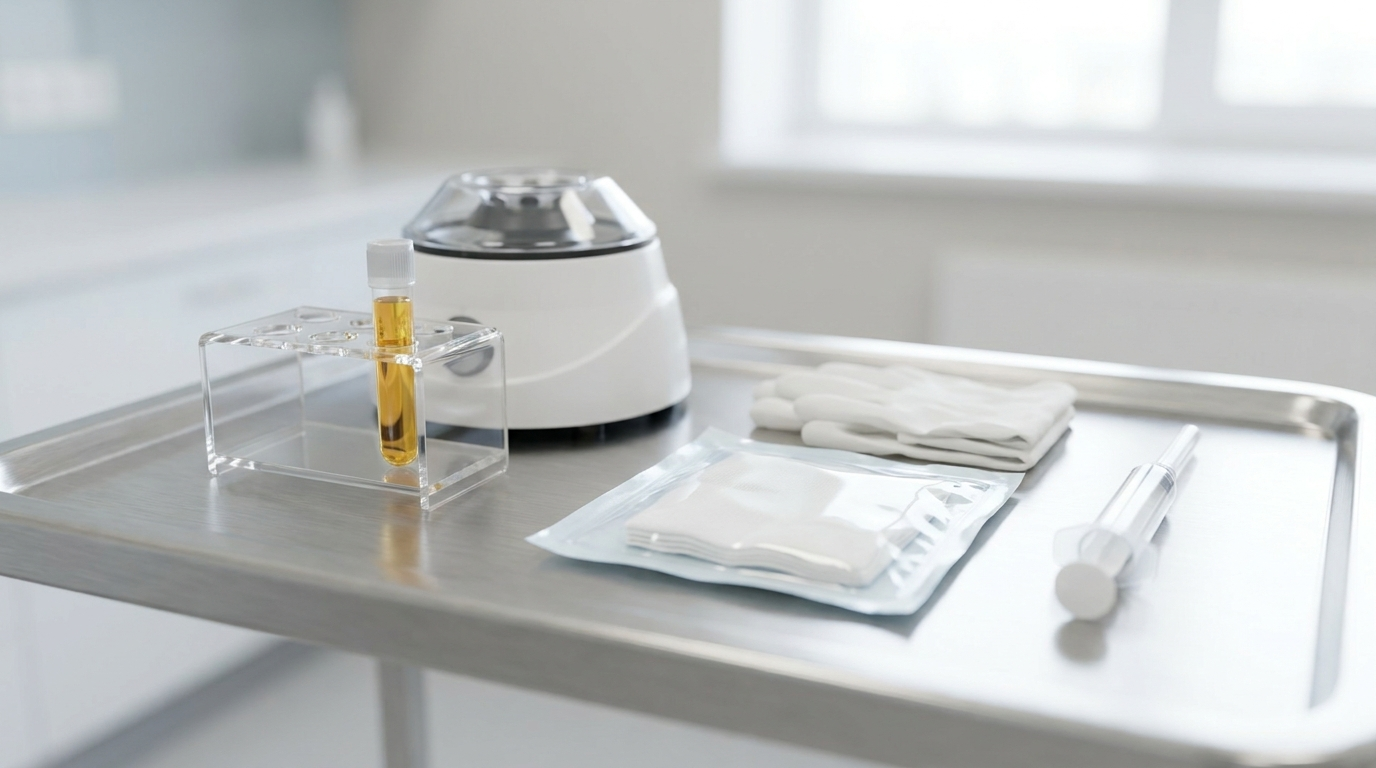
PRF treatment is a regenerative aesthetic procedure that uses a concentrate of your own blood to prompt the skin or scalp to repair itself. The name stands for platelet-rich fibrin. After a small blood draw, the sample is spun in a centrifuge at a gentle, slower speed than older methods use, which separates out a layer packed with platelets, white blood cells, and a soft fibrin mesh. That mesh is the important part. It acts like a scaffold that holds the platelets in place and lets them release growth factors slowly, over days, instead of all at once.
Those growth factors are the actual workers. They signal your own cells to build collagen and elastin, improve blood supply to the area, and, on the scalp, support hair follicles. Canada MedLaser’s PRF treatment for skin and hair restoration uses a preparation system called CELLAMAX to turn the blood into this fibrin matrix without chemical additives, which is worth knowing because the preparation method affects how the platelets behave once they are placed. Whatever device a clinic uses, the common thread is the same: your own blood, concentrated and applied where you want repair.
It helps to be clear about what PRF is not. It is not a dermal filler, so it does not add instant volume in the way hyaluronic acid does, and it is not a single dramatic procedure with a same-day reveal. It is closer to a course of skin or scalp conditioning, where the change accumulates as your own collagen responds. Setting that expectation early tends to make people much happier with the result.
How Does PRF Treatment Work?
PRF works by concentrating your own platelets in a fibrin scaffold and placing them where you want repair, so the growth factors they carry are released gradually and prompt your cells to rebuild collagen and tissue. The blood draw is small, similar to a routine lab test, and the whole appointment usually runs about 45 to 60 minutes once you include preparation and any numbing. Nothing synthetic is added, which is part of the appeal for people who want a treatment that works with their own biology.
The delivery depends on the goal. For the under-eyes or specific lines, the PRF is injected into the area. For broad skin rejuvenation or acne scarring, it is often layered into a microneedling session that builds collagen, so the tiny channels help the concentrate reach the living layers of skin. Some clinics also offer it alongside PRP and microneedling protocols, and the logic is the same: the microneedling does one job, and the platelet concentrate reinforces it.
The PRF Treatment Process, Step by Step
The table below is a general guide. Your own visit may vary depending on the area treated and whether PRF is used alone or with microneedling.
| Stage | What happens | Typical timing |
|---|---|---|
| Consultation and assessment | Provider reviews goals, the area, and your health history | Same visit or a separate appointment |
| Blood draw | A small vial of your blood is drawn, like a routine lab test | A few minutes |
| Centrifuge spin | The blood is spun gently to separate the platelet-rich fibrin | About 8 to 12 minutes |
| Preparation and numbing | Skin is cleaned and a topical numbing cream may be applied | 15 to 30 minutes if numbing is used |
| Application | PRF is injected into the area or applied during microneedling | 15 to 30 minutes |
| Cellular response | Your cells build collagen and repair over the following weeks | Weeks to about three months |
People are often relieved to hear that the appointment feels familiar. Most of it is either the microneedling many patients have already researched, or a set of small injections, and the PRF itself is simply what gets placed. The blood draw tends to worry people more in advance than it does on the day.
What Does PRF Treatment Treat?
PRF is used mainly for four goals: brightening and firming the under-eye area, general skin rejuvenation, softening acne scars, and supporting early hair thinning. It sits in the regenerative, quality-improvement category rather than the medical-disease or surgical category. It will not treat a skin condition that needs a dermatologist, and it is not a substitute for a hair transplant when loss is advanced. What it does well is nudge tired tissue toward repair.
| Goal | What it targets | Commonly paired with |
|---|---|---|
| Under-eye rejuvenation | Dark circles, crepey texture, mild hollowing and dullness | Used on its own, sometimes with filler separately |
| Skin rejuvenation | Fine lines, dullness, uneven texture, overall firmness | Microneedling, fractional laser |
| Acne scarring | Softening the look of rolling and boxcar scars | Microneedling, radiofrequency microneedling |
| Early hair thinning | Follicle support and density in thinning areas | Scalp injections, sometimes microneedling |
PRF for Under-Eyes
The under-eye area is where PRF gets the most attention, and for a good reason. The skin there is thin and delicate, and it is a spot where traditional filler can be tricky, sometimes leading to puffiness or a bluish tint if it is not placed carefully. PRF takes a different route. Instead of adding volume, it encourages the skin to thicken and brighten on its own over a series of sessions. That makes it appealing for crepey texture and dark circles, though it is fair to say it is better at improving skin quality than at erasing a deep hollow. If genuine volume loss is the main issue, a conversation about under-eye filler may still be worth having, and our guide to under-eye filler cost and what to expect lays out that comparison. For the underlying causes, our overview of dark circles under the eyes is a useful companion.
PRF for Skin and Acne Scars
On the face more broadly, PRF is used to freshen dull, tired skin and to soften the appearance of acne scars. Paired with microneedling, the growth factors reinforce the collagen-building the needling starts, which is why the combination is popular for texture and scarring. For deeper or more stubborn scars, a provider might suggest radiofrequency microneedling instead or as well, and our overview of Morpheus8 radiofrequency microneedling explains where that fits. If acne scarring is your main concern, it is worth reading about the range of acne scar treatment options before you settle on one path.
PRF vs PRP: What Is the Difference?
The short answer is that PRF is a newer refinement of PRP, and the main difference is speed of release. Both start with your own drawn blood. PRP, or platelet-rich plasma used in a vampire facial, is spun faster and usually needs an anticoagulant, which gives a liquid that releases its growth factors quickly. PRF is spun more gently and without that additive, so it keeps a soft fibrin scaffold that holds the platelets and lets them work over days rather than hours. PRF also tends to capture white blood cells and a small population of stem cells that PRP often leaves behind.
| Feature | PRF | PRP |
|---|---|---|
| Spin speed | Slower, gentler | Faster |
| Anticoagulant added | No | Usually yes |
| Growth factor release | Gradual, over several days | Faster, over hours |
| Consistency | Soft fibrin gel or scaffold | More liquid |
| Track record | Newer, growing evidence | Longer history, more published studies, especially for hair |
Neither is simply better. PRF’s slower release and scaffold are why many providers now prefer it for delicate areas like the under-eyes, while PRP has the longer research history, particularly for pattern hair loss. If hair is your main concern, our comparison of PRP versus minoxidil and finasteride for hair regrowth is a helpful read, and many clinics offer both PRP and PRF and will suggest one based on your goal.
Is PRF Better for Under-Eyes Than Filler?
For the under-eyes specifically, PRF and hyaluronic acid filler solve different problems, so better depends on what is bothering you. Filler adds instant volume and is the stronger tool for a genuine hollow, while PRF works gradually to improve the skin’s tone and thickness. Some people combine them, using filler for structure and PRF to refresh the skin, though that is a decision for a careful assessment.
| Consideration | PRF under-eye | Hyaluronic acid filler |
|---|---|---|
| Main effect | Improves skin quality, tone, and thickness | Adds volume to fill a hollow |
| Timing of result | Gradual, over several sessions | Immediate |
| Material | Your own blood | A gel made of hyaluronic acid |
| Reversibility | Fades naturally over time | Can be dissolved with an enzyme if needed |
| Best for | Crepey texture, dark circles, dullness | Clear volume loss and deeper hollows |
Because both are reasonable in the right situation, this is exactly the kind of question a consultation answers well. A good provider will look at your under-eye area, ask what bothers you most, and be honest about which tool, or which combination, actually fits.
Can PRF Help With Hair Loss?
PRF is used to support early hair thinning by delivering growth-factor-rich fibrin into the scalp, where it is meant to nourish struggling follicles and improve the local environment for growth. It tends to help early thinning and shedding more than advanced baldness, and results are gradual, usually judged over three to six months rather than after a single visit. It is not a hair transplant, and it is not a guaranteed regrowth treatment, so realistic expectations matter here more than anywhere.
Many people weigh PRF or PRP against medical options like minoxidil and finasteride, or use them together under guidance. If hair is your focus, Canada MedLaser’s hair growth and restoration options put scalp injections in the wider context of what helps early thinning, and our look at PRP hair treatment in Toronto covers the closely related platelet approach. A systematic review of injectable PRF found encouraging results for both hair and facial rejuvenation, while noting that the evidence base is still growing, which is a fair summary of where the science sits today.
How Many Sessions Will You Need, and When Will You See Results?
Most plans involve about three to four sessions spaced four to six weeks apart, with the first visible change, usually fresher and more hydrated skin, showing up within the first few weeks. Because the result depends on new collagen, the firmer, brighter look tends to build over roughly three months. Hair is slower and less predictable, and most providers ask you to judge scalp results over three to six months. It is also fair to say that improvements can soften over time, which is why maintenance sessions are part of most plans.
| Timeframe | What you may notice |
|---|---|
| First few days | Mild redness, swelling, or a small bruise, then calm |
| First few weeks | Fresher, more hydrated, slightly brighter skin |
| Around three months | Firmer texture and improved under-eye tone as collagen builds |
| Three to six months (hair) | Gradual changes in density and shedding, if it is going to help |
Because the change builds rather than appears at once, people often underestimate it until they compare photos over time. That is one reason a provider may take baseline images at your first visit. How you look after your skin between sessions, especially sun protection, plays a real part in the outcome too.
How Much Does PRF Treatment Cost in Toronto?
In the GTA, PRF treatment often starts around $450 per session and rises from there depending on the area treated, whether it is paired with microneedling, and how many sessions your plan includes. Under-eye work and full-face plans usually sit higher, and a package of several sessions is priced above a single visit. Treat the figures below as general planning ranges rather than a quote, because the details move the number quite a bit, and PRF is elective, so it is not covered by provincial health plans.
| Scenario | Typical GTA planning range | Notes |
|---|---|---|
| Single PRF session | About $450 to $900 | Canada MedLaser lists PRF starting from $450 |
| PRF under-eye treatment | About $600 to $1,200 per session | Delicate area, often needs a short series |
| PRF with microneedling | About $600 to $1,000 per session | Priced as one combined treatment |
| A typical course of three | About $1,200 to $2,400 or more | Sessions spaced four to six weeks apart |
You may see higher single-session figures at some clinics, and that usually reflects the area, the number of tubes drawn, or a combined treatment. The base price for the microneedling portion, if you add it, is often the larger part of the bill, so our guide to microneedling cost and sessions gives a helpful baseline. The most reliable number for your situation comes from a consultation, which many clinics, including ours, offer at no charge.
Is PRF Treatment Safe, and What Are the Side Effects?
PRF is generally considered low risk when it is performed by a trained provider, largely because the material is your own blood, which means there is little chance of an allergic reaction to the concentrate itself. The most common side effects are the ones you would expect from a blood draw and a set of small injections: temporary redness, swelling, tenderness, and the occasional bruise, usually settling within a day or two. Under the eyes, mild puffiness or a small lump can appear and typically resolves on its own over a week or so.
That said, no injectable procedure is risk-free, and it would be misleading to call any treatment universally safe. Rare risks include infection at an injection site, prolonged swelling, or lumps that take longer to settle, and any procedure that breaks the skin carries a small infection risk. The preparation device a clinic uses, such as the CELLAMAX system, is regulated by Health Canada as a medical device, which is part of why the equipment and handling matter. For the wider evidence on outcomes and safety, the peer-reviewed systematic review of injectable PRF in alopecia and facial rejuvenation reported few adverse events while noting the research is still maturing.
Some people should wait or choose something else. Because PRF depends on healthy blood and clotting, it is generally not recommended for people with certain blood or platelet disorders, active blood-borne infections, or some cancers, and those on blood thinners may bruise more and should tell their provider. Active infection, inflamed acne, or a cold sore outbreak in the treatment area should settle first. Pregnancy and breastfeeding are a common reason to postpone, simply because there is not enough data, and most clinics take the cautious route. This is exactly the ground a consultation is meant to cover.
How Do You Prepare, and What Is Aftercare Like?
Preparation is simple, and it mostly comes down to protecting the quality of your blood draw and reducing the chance of bruising. Clinics generally ask you to hydrate well for a day or two beforehand, avoid blood thinners like aspirin, ibuprofen, fish oil, vitamin E, and alcohol for a couple of days unless a doctor has told you otherwise, skip smoking around the appointment, and eat a light meal before you come in so the blood draw does not leave you lightheaded. Pausing retinol and strong exfoliants for a few days is common too. Your provider gives the specifics for your situation.
| Do | Avoid |
|---|---|
| Hydrate well for a day or two before | Blood thinners like aspirin, fish oil, and alcohol, unless medically needed |
| Eat a light meal before your appointment | Smoking around the treatment, since nicotine slows healing |
| Keep the area clean and lightly moisturized after | Makeup for the first 12 to 24 hours |
| Use gentle products and daily sunscreen | Retinoids, acids, and scrubs for a few days |
| Follow your provider’s aftercare sheet | Saunas, hot workouts, and heavy sweating for a day or two |
Afterward, the recovery is usually mild. Expect a little redness or swelling on the day, and possibly a small bruise where the needle went in, especially around the eyes. Most clinics ask you to leave the area alone for a few hours, skip makeup for the first day, and avoid heat, sun, and hard workouts for a day or two. Spreading redness, worsening pain, warmth with a fever, or any sign of infection is not expected and warrants prompt contact with your provider.
How Does PRF Compare to Microneedling and Exosomes?
PRF, microneedling, and exosomes are often mentioned together because they all sit in the regenerative corner of skin care, but they play different roles. Microneedling creates the tiny channels and stimulates collagen on its own. PRF adds your own growth factors to that process. Exosomes are a lab-prepared source of cell-signalling messengers used as an alternative booster, and our guide to exosome therapy for skin and hair explains where they fit. In practice these are frequently combined rather than pitted against each other.
| Option | What it is | Best thought of as |
|---|---|---|
| PRF | Your own concentrated platelets in a fibrin scaffold | A natural, blood-based collagen booster |
| Microneedling | Controlled micro-channels that trigger repair | The base collagen-building treatment |
| Exosomes | Lab-prepared cell-signalling vesicles | A no-blood-draw booster with a standardized dose |
| Dermal filler | A gel that adds volume immediately | A structural fix for hollows, not a regenerator |
If you are mapping out a wider plan, our overview of collagen-stimulating skin therapy and our roundup of non-surgical anti-aging treatments both help put PRF in context alongside the other tools.
How Do You Choose a Provider for PRF?
Because PRF involves drawing and handling your own blood, the provider and their process matter as much as the treatment itself. Look for a clinic with medically trained staff who can explain how they draw and spin the blood, what device they use, and how they keep everything sterile. A careful provider takes a full history, asks about blood thinners and clotting conditions, sets realistic expectations, and is comfortable telling you when filler, microneedling, or something else would serve you better.
It is fair to ask practical questions too. How many sessions do they expect, and what does a full plan cost? Do they treat the under-eyes with PRF regularly? What happens if you bruise or swell more than expected? A clinic that answers those plainly, without overpromising a dramatic overnight change, is the kind you want. If you would like to see how PRF fits alongside other regenerative options, the team at Canada MedLaser can walk you through the choice at a skin consultation.
Expert Insight
The point experienced providers make most often is that PRF is a builder, not a filler. It shines when the goal is better skin quality, brighter under-eyes, or reinforcing a microneedling plan, and it disappoints when someone expects it to erase a deep hollow the way a syringe of filler would. Matching the tool to the problem is most of what a good consultation is really doing.
The second thing they raise is patience. PRF works on your body’s own timeline, so the people happiest with it are the ones who commit to a short series and judge the result at three months, not three days. Framing it as part of a plan, rather than a one-time fix, is what keeps expectations honest.
PRF is best understood as a way to amplify your skin’s own repair using your own blood, not a shortcut to instant volume. Used in a sensible series, with realistic expectations, it is a thoughtful addition to a regenerative plan rather than a miracle in a syringe.
Frequently Asked Questions
What is PRF treatment?
PRF treatment, or platelet-rich fibrin, is a regenerative procedure that concentrates platelets and growth factors from your own blood into a soft fibrin scaffold, then places them in the skin or scalp to prompt collagen production and repair. It is used for under-eyes, skin rejuvenation, acne scars, and early hair thinning.
How does PRF treatment work?
A small vial of your blood is drawn and spun gently in a centrifuge, which separates a platelet-rich fibrin layer. That concentrate is injected into the target area or applied during microneedling, where it releases growth factors slowly over several days and signals your own cells to build collagen and repair tissue.
What does PRF do for your face?
On the face, PRF is used to freshen dull skin, improve texture and firmness, brighten the under-eye area, and soften the look of acne scars. It works by encouraging your own collagen rather than by adding volume, so the change is gradual and builds over weeks to months.
Which is better, PRF or PRP?
Neither is simply better. PRF releases its growth factors more slowly and needs no anticoagulant, which many providers prefer for delicate areas like the under-eyes, while PRP has a longer research history, especially for hair. The right choice depends on your goal, and many clinics offer both.
Does PRF last longer than PRP?
Because PRF forms a fibrin scaffold that releases growth factors over several days, its effect on the tissue is more sustained than PRP’s faster release, which is one reason it is popular for skin quality. That said, neither is permanent, and both are usually planned as a series with maintenance.
Which is better for under-eyes, PRP or PRF?
Many providers lean toward PRF for the under-eyes because its thicker, slower-release consistency suits that delicate area and it can be gentler on thin skin. Both aim to improve skin quality rather than add volume, so if a true hollow is the issue, filler may still be part of the conversation.
Is PRF treatment safe?
PRF is generally considered low risk when performed by a trained provider, mainly because it uses your own blood, so an allergic reaction to the material is very unlikely. Common side effects are temporary redness, swelling, tenderness, and occasional bruising. No injectable is risk-free, so a health review beforehand matters.
What are the side effects of PRF?
Most side effects are mild and short-lived: redness, swelling, tenderness, and small bruises, usually settling within a day or two. Under the eyes, mild puffiness or a small lump can occur and typically resolves within a week. Infection is uncommon but should be reported promptly.
Is PRF risky?
For most healthy adults it is considered a low-risk treatment, but it is not for everyone. People with certain blood or platelet disorders, active infections, or some cancers, and those on blood thinners, need a careful assessment first, and pregnancy or breastfeeding is usually a reason to postpone.
Does PRF treatment hurt?
Most people describe it as mild. There is a brief pinch for the blood draw, and the injections or microneedling can sting or feel like small pricks, which numbing cream helps manage. Discomfort is usually rated low and settles quickly after the appointment.
How many PRF sessions do you need?
Most plans use about three to four sessions spaced four to six weeks apart, with maintenance later. The exact number depends on your goal and starting point, so it is set at a consultation rather than fixed in advance.
When will I see results from PRF?
Skin often looks fresher and more hydrated within the first few weeks, with firmer texture and improved under-eye tone building over about three months as collagen develops. Hair changes are slower and assessed over three to six months.
How long do PRF results last?
Because results depend on your own new collagen, they are gradual and not permanent, often softening over several months to a year. Maintenance sessions help sustain the improvement, and individual results vary with age, skin quality, and lifestyle.
How much does PRF cost in Canada?
In the GTA, PRF often starts around $450 per session and rises with the area treated and the package. Under-eye and full-face plans usually sit higher, and a course of three commonly totals about $1,200 to $2,400 or more. These are planning ranges, and PRF is not covered by provincial health plans.
Is PRF better than microneedling?
They are not really competitors. Microneedling creates the channels and stimulates collagen, while PRF adds your own growth factors to reinforce that repair. They are most often used together, and a provider can advise whether adding PRF is worthwhile for your goal.
Can PRF replace under-eye filler?
Not exactly, because they do different jobs. PRF gradually improves the skin’s texture and firmness, while filler adds instant volume to a hollow. For crepey texture and dark circles, PRF may be a good fit, but a clear hollow may still call for filler, and some people combine the two.
Does PRF work for hair loss?
PRF is used to support early hair thinning by delivering growth factors to the scalp, and it tends to help early thinning more than advanced loss. Results are gradual, judged over three to six months, and it is not a substitute for a hair transplant when loss is significant.
Can I get PRF while pregnant or breastfeeding?
Most clinics recommend postponing PRF during pregnancy and breastfeeding because there is not enough safety data for elective aesthetic procedures at that time. It is best to wait and revisit it afterward with your provider.
Related Reading
- Morpheus8 before and after results by area
- PRF treatment for skin and hair restoration
- The PRP vampire facial explained
- Exosome therapy for skin and hair
- Under-eye filler cost and what to expect
- PRP hair treatment in Toronto
Conclusion
PRF treatment is a regenerative procedure that uses a concentrate of your own blood, held in a soft fibrin scaffold, to release growth factors gradually and prompt your skin or scalp to repair itself. Most people do a short series of about three to four sessions and see the result build over weeks to months, with the under-eyes, overall skin quality, acne scarring, and early hair thinning being the most common reasons to try it. It is a refinement of PRP, works with your own biology rather than a synthetic filler, and does its best work as part of a plan.
The honest framing is the one worth repeating. PRF is a builder, not a filler, its results are gradual and not permanent, and it suits people who are comfortable with a series and realistic expectations. If you are curious whether it fits your skin or hair goals, booking a consultation is the most useful next step, and a good provider will tell you plainly whether PRF, another treatment, or a combination is the better route for you.
This article is general education and not a substitute for personalized medical advice. Whether PRF treatment is appropriate for you, and how it should be performed, should be assessed by a qualified provider who knows your health history and can examine the area to be treated.
Trust our skin and laser guides? Add Canada MedLaser as a preferred source on Google.